Chifa
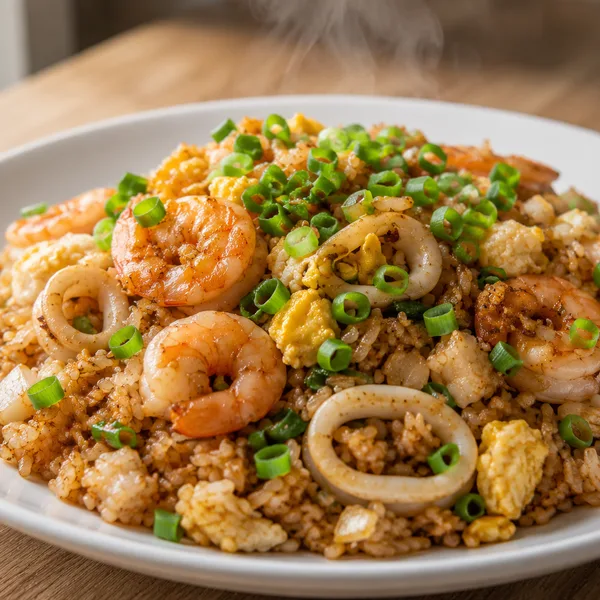
Chaufa de mariscos: chifa's seafood fried rice
Chaufa de mariscos: day-old rice fried hard with shrimp and squid seared separately and folded back in. Peruvian chifa cooking, applied to the coast.
Collection · Mains
The main course of a Peruvian meal has a name of its own — the segundo, the second plate, the one that follows the soup. Almost all of them start the same way, with an aderezo: onion, garlic and ground chile fried down slowly until the raw edge is gone and the mixture darkens. Nothing on this list tastes Peruvian until that base has been cooked further than you think it needs.
After that the list splits four ways, and the split is historical rather than geographical alone. The criollo coast married Spanish technique to Andean chiles and produced ají de gallina, arroz con pollo, anticuchos. The highlands kept the older logic of tubers, dried potato and cooking with heat stored in stone — carapulcra, pachamanca. The Amazon cooks with plantain, river fish and leaves instead of pots, as in juane. And the chifa kitchens, opened by Chinese cooks from the nineteenth century onward, gave Peru the wok — which is why lomo saltado, the most famous Peruvian dish after ceviche, is a stir-fry served with both rice and fried potatoes.
Rice is the other constant. It appears beside almost everything, and it is judged on one quality: graneado, the grains loose and separate rather than clumped. A Peruvian cook can survive a mediocre stew. Sticky rice is harder to forgive.
Twenty-three dishes is a lot to face at once. These three are the shortest route to understanding how Peru cooks.
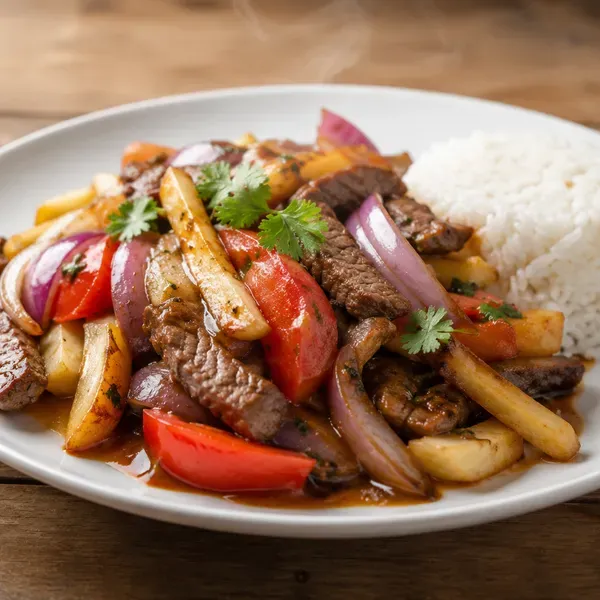
Lomo saltado. Start here. Beef, onion and tomato seared hard in a wok and served with both rice and fries — the dish where Chinese technique and Peruvian ingredients met and stayed. It takes twenty minutes.
Ceviche. The one Peru is known for, and the one most often done badly abroad. Firm white fish, lime, red onion, ají and salt. Minutes, not hours — that single fact separates good ceviche from bad.
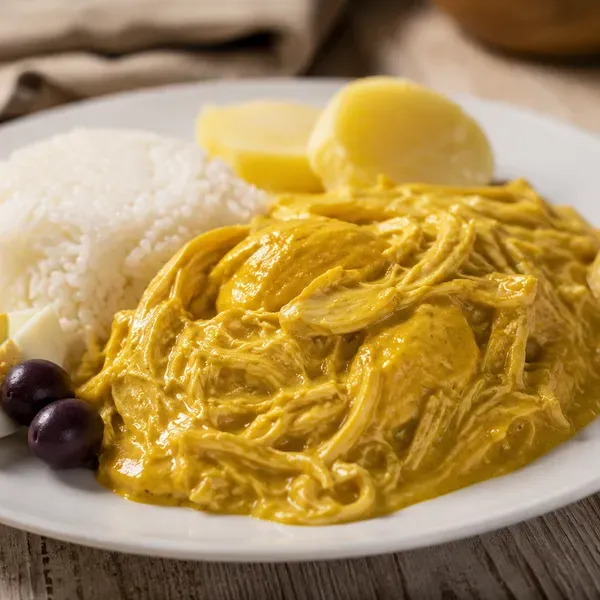
Ají de gallina. The comfort dish. Shredded chicken in a sauce thickened with milk-soaked bread — no flour, no cream — with ají amarillo, walnuts and parmesan. It is what Peruvian households cook when nobody wants to think.
Chifa
Chaufa de mariscos: day-old rice fried hard with shrimp and squid seared separately and folded back in. Peruvian chifa cooking, applied to the coast.

Highlands
Cuchicanca: pork left overnight in chicha de jora and ají panca, then roasted low for hours and blasted hot at the end for the crackling. Cusco festival food.
Coast
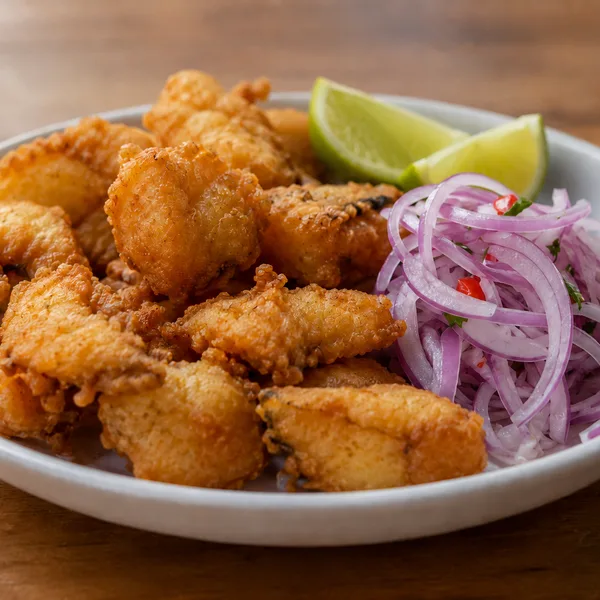
Chicharrón de pescado: white fish cubed, soaked briefly in lime, dredged thin and fried crisp. The simplest fried seafood on the Peruvian coast.
Chifa
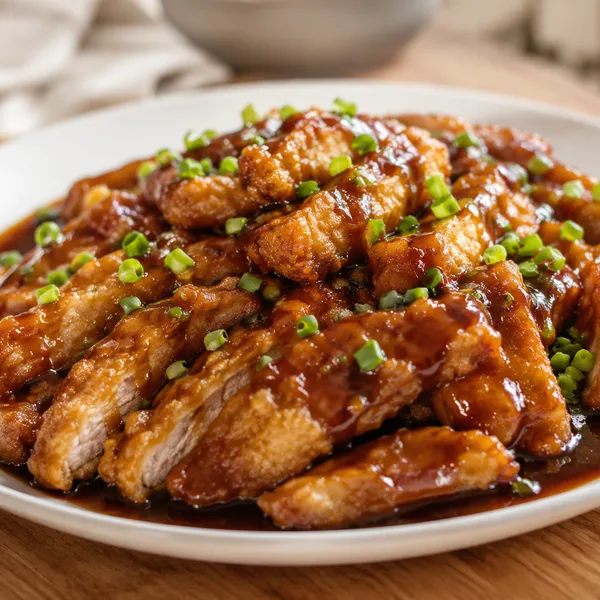
Chi jau kay: a thin chicken cutlet fried inside a thick egg coating, finished with soy and vinegar. Chifa cooking, using egg where others use breadcrumbs.
Coast
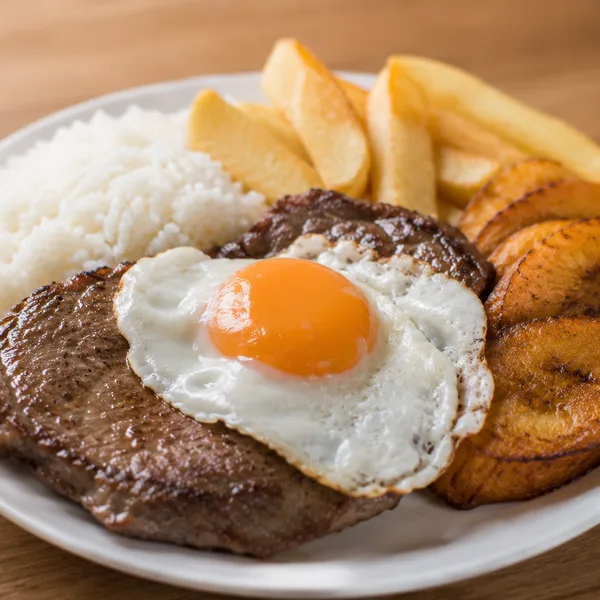
Bistec a lo pobre: steak under a running fried egg, with rice, fries and fried plantain on the same plate. The most misleading name in Peruvian cooking.
Coast
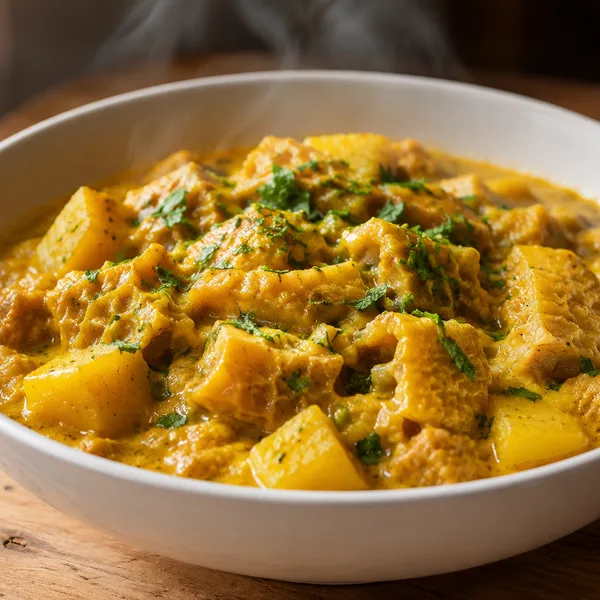
Cau cau: beef tripe pre-boiled tender, then simmered in ají amarillo and turmeric with potato and mint. A Peruvian weekday plate, not an occasion.
Coast
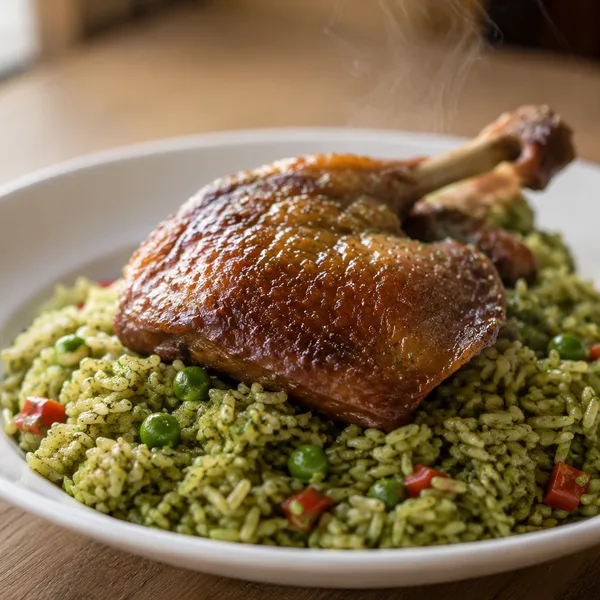
Arroz con pato: duck braised in dark beer and cilantro, then the rice cooked right in that broth — the Peruvian north coast's finest rice dish.
Coast
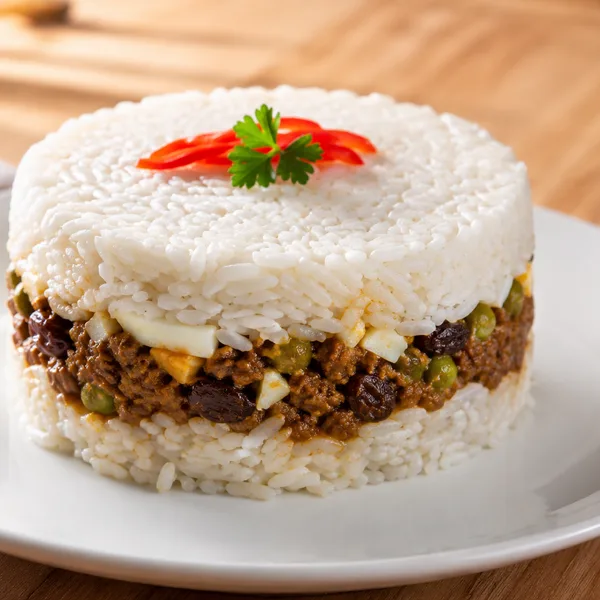
Arroz tapado: seasoned ground beef picadillo sandwiched between two layers of rice and unmolded like a cake — Peru's lunchbox classic, built for leftovers.
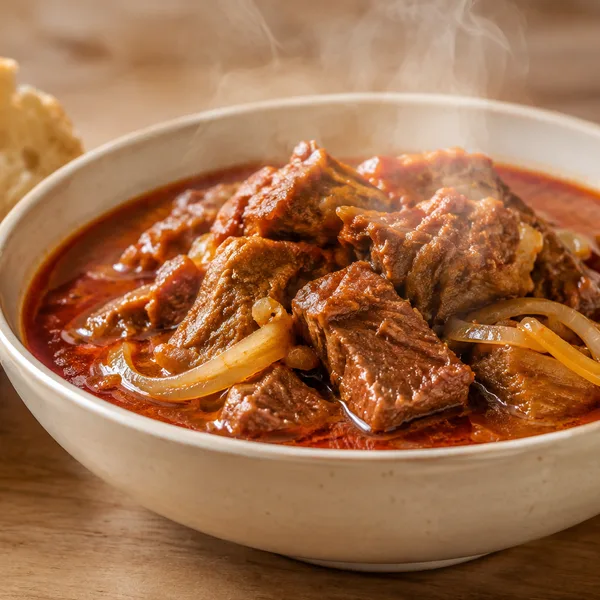
Highlands
Pork marinated overnight in chicha de jora and ají panca, then simmered soft. Cusco eats it for breakfast on Sunday, with bread and no apologies.
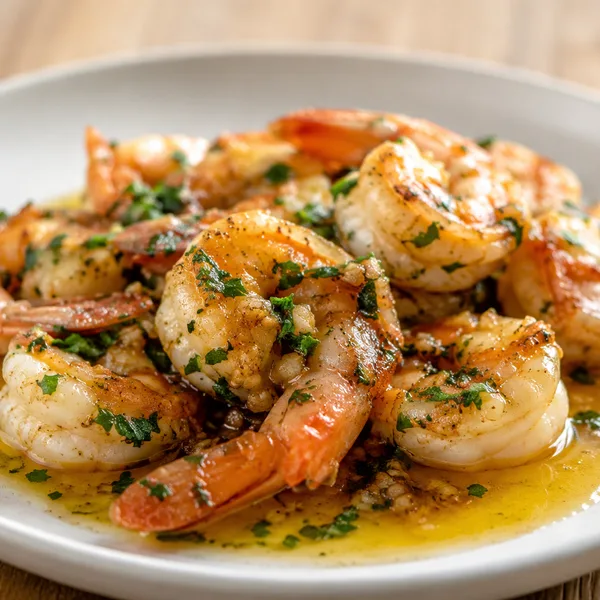
Highlands
River shrimp seared hard and fast in garlic, butter and white wine. The simplest way to let Arequipa's famous freshwater shrimp be the whole point.
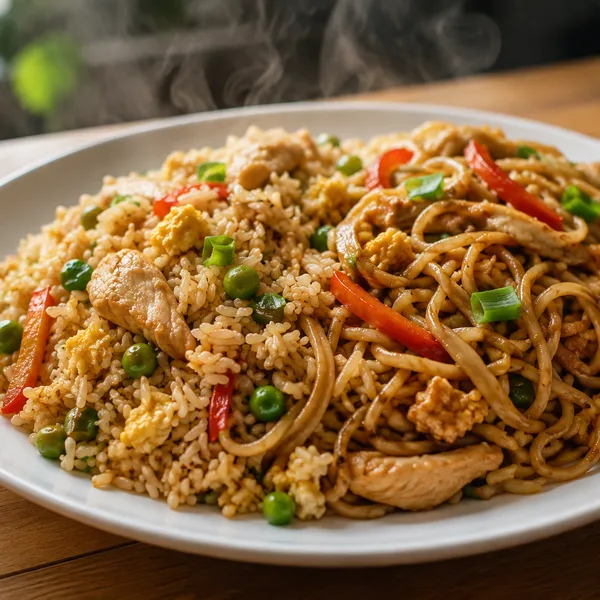
Chifa
Aeropuerto: fried rice and stir-fried noodles on one plate, with chicken and vegetables tying them together — the Peruvian chifa order for the undecided.
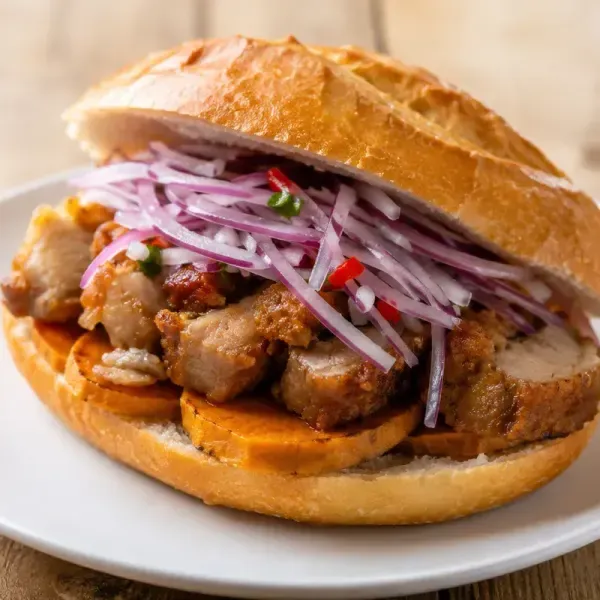
Coast
Pan con chicharrón: the boil-then-fry pork, the sweet potato slice, the salsa criolla — anatomy of the breakfast sandwich Peru put on the world map.
Highlands
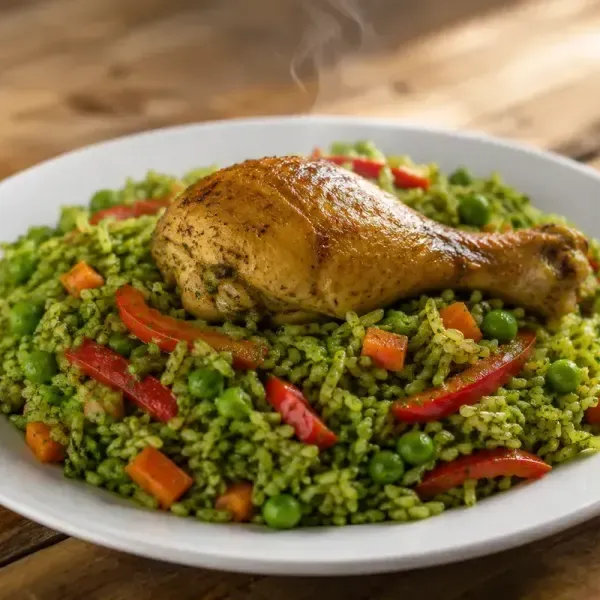
Peruvian arroz con pollo: why the rice is green (real cilantro, blended), the beer in the broth, and the technique for rice that's seasoned, not stained.
Highlands
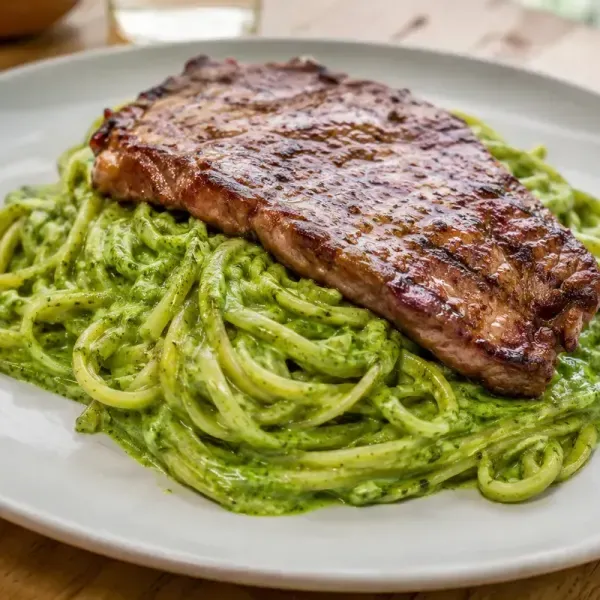
Tallarines verdes: the Peruvian pesto pasta with spinach, basil and queso fresco, served under a thin steak — the Genoese dish that learned Spanish.

Highlands
Adobo arequipeño: pork shoulder marinated and braised in chicha de jora with ají panca — Arequipa's Sunday-morning ritual, adapted for any kitchen.
Highlands
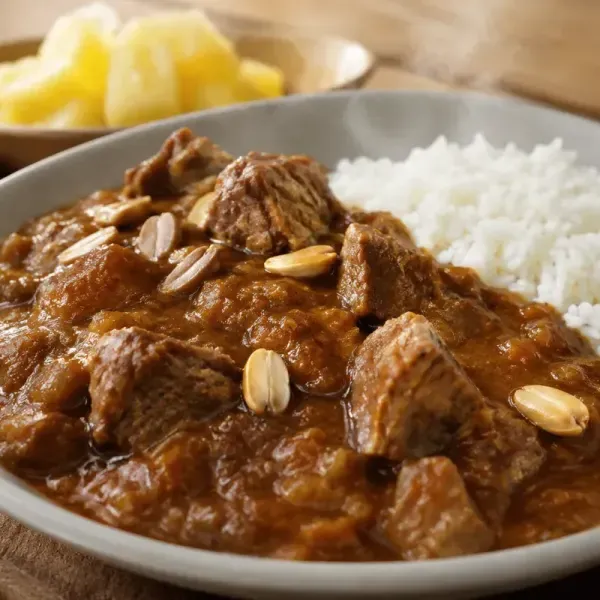
Carapulcra: Peru's pre-Hispanic stew of papa seca, pork and peanuts — how dried potato works, the toasting step, and the highland version we grew up on.
Chifa
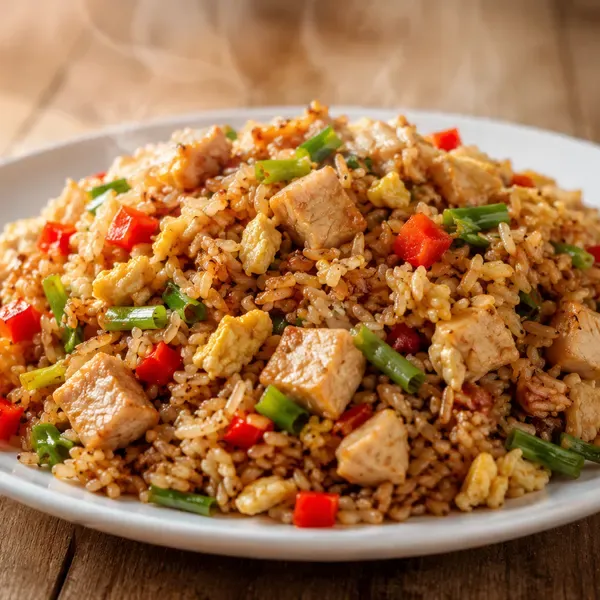
Arroz chaufa, the fried rice of Peru's chifa kitchens: day-old rice, sillao, ginger, the egg ribbon, and the wok logic shared with lomo saltado.
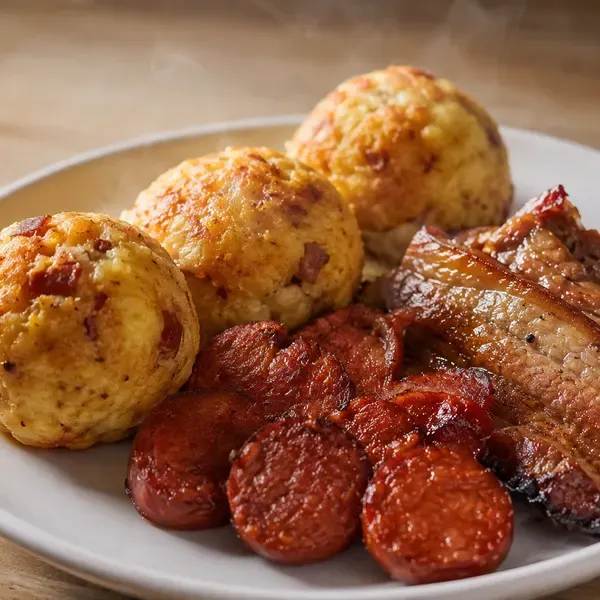
Amazon
Tacacho con cecina from the Peruvian Amazon: mashed fried green plantains with pork cracklings, served with smoked cured pork and sausage.
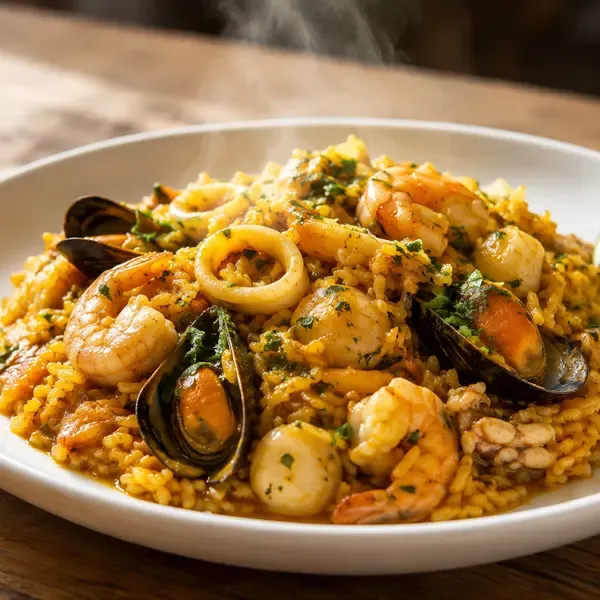
Coast
Peruvian arroz con mariscos: the double-ají base, cooked rice fried into the sauce, and seafood timed in waves so nothing turns to rubber.
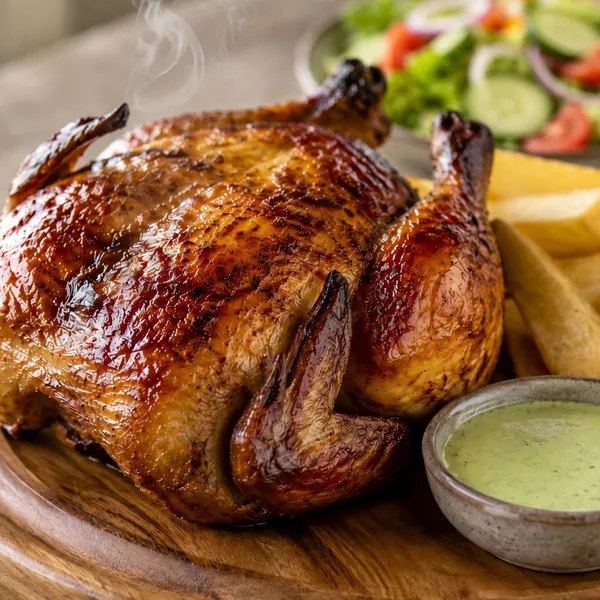
Coast
Pollo a la brasa at home: the real marinade (no annatto shortcuts), the oven method that mimics the rotisserie, and the green sauce that's half the dish.
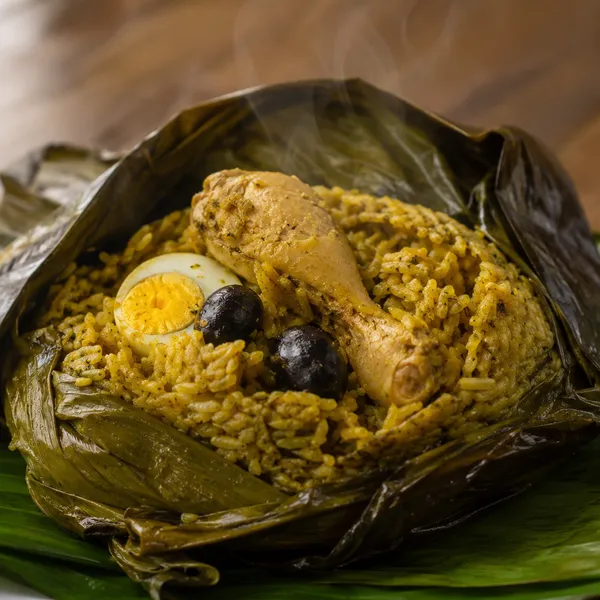
Amazon
Juane, the Amazon's wrapped feast: turmeric rice and braised chicken steamed inside bijao leaves, with the San Juan story and a banana-leaf home method.
Chifa
The authentic lomo saltado recipe as cooked in Peruvian homes: which cut of beef, the right soy-vinegar balance, and the trick to wok smoke on a home stove.
Coast
How to make real ají de gallina: the soda-cracker-free truth about the bread, the right ají amarillo ratio, and why the sauce must never boil hard.
Coast
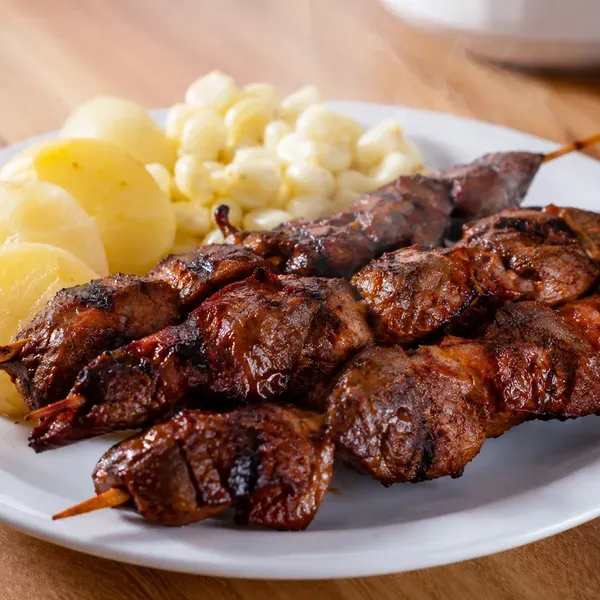
How to make anticuchos: the ají panca marinade, why beef heart is the point, and the Afro-Peruvian history behind Peru's favorite street skewer.
Highlands
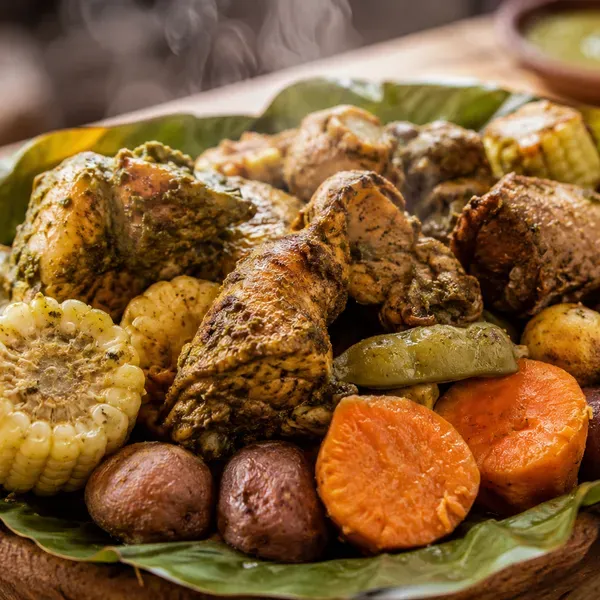
What pachamanca is, how the hot-stone earth oven works, and the herbs that define it — explained from the Peruvian highlands, plus a home-oven version.
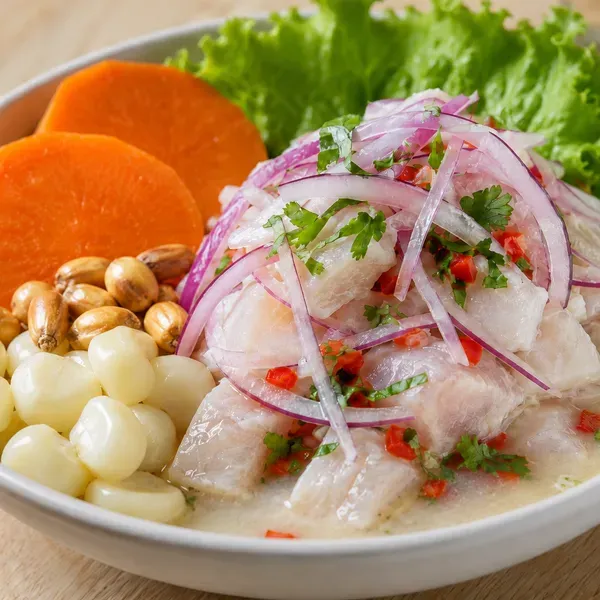
Coast
Real Peruvian ceviche: which fish to ask for outside Peru, why the marinade takes minutes not hours, and the leche de tigre that makes or breaks it.
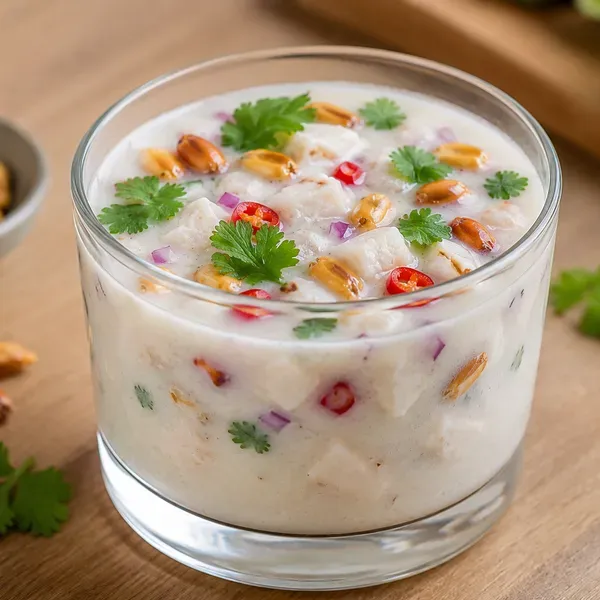
Coast
What leche de tigre is, how cevicherías blend it as a dish of its own, and the home recipe for Peru's bracing lime-and-fish elixir.
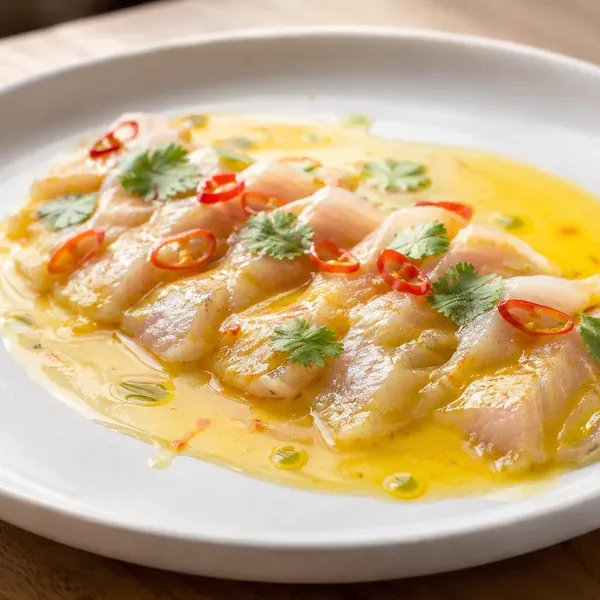
Chifa
What tiradito is, how it differs from ceviche, the Nikkei history behind it, and the home recipe with an ají amarillo leche de tigre.
What is the national dish of Peru? Ceviche, officially and by declaration. Lomo saltado and ají de gallina are cooked far more often in ordinary homes, and papa a la huancaina turns up on more tables than any of them — but ceviche is the one the country puts its name to.
What is chifa? Peruvian-Chinese cooking, and its own cuisine rather than an imitation. Cantonese laborers arrived in the 1850s and cooked with what Peru had. Lomo saltado, arroz chaufa and aeropuerto all come out of that meeting, and there are more chifas in Lima than most visitors expect.
Which of these can I cook without Peruvian ingredients? Lomo saltado, arroz chaufa and pollo a la brasa work with what most supermarkets carry. What genuinely cannot be faked is anything built on ají amarillo or ají panca — ají de gallina, carapulcra and the adobos need the real thing, and the recipes say so rather than pretending otherwise.
Why do so many Peruvian plates come with rice AND potato? Because they arrived from different directions and neither gave way. The potato is Andean and thousands of years old; rice came later with Chinese and Spanish influence. Bistec a lo pobre takes it furthest, piling rice, fries, plantain and a fried egg around one modest steak.
Where a dish depends on something specific — beef heart for anticuchos, papa seca for carapulcra, a wok hot enough to actually sear — the recipe says so plainly, and says what changes if you cannot manage it.
Peruvian desserts · Peruvian soups · Peruvian drinks · Peruvian appetizers