Highlands
Cremoladas: Peru's shaved-ice fruit drink
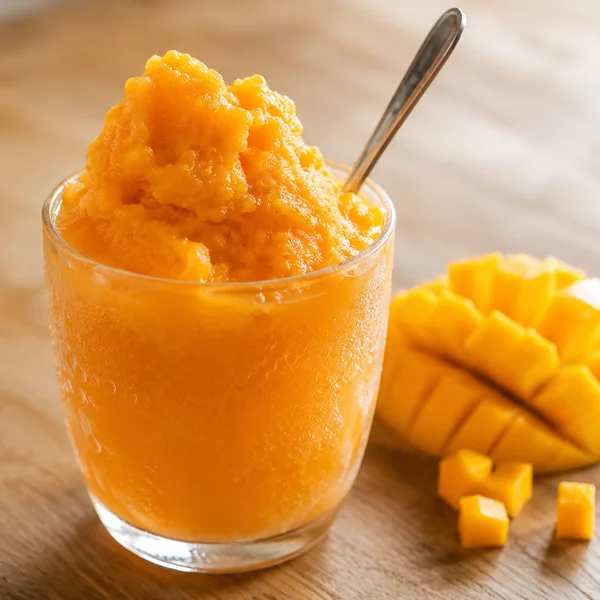
Cremoladas: fresh fruit blended with ice into a thick slush eaten with a spoon. The Peruvian street-cart answer to a hot afternoon.
Collection · Drinks
Peruvian drinks fall into two families that rarely meet on the same table. One is built on pisco, the grape spirit distilled on the south coast: unaged, never rested in wood, nothing added after distillation. That last rule is the whole point — a pisco tastes of the grape it came from and of nothing else, which is why a label tells you whether it is puro (one grape variety), acholado (a blend) or mosto verde (distilled from must that has not finished fermenting).
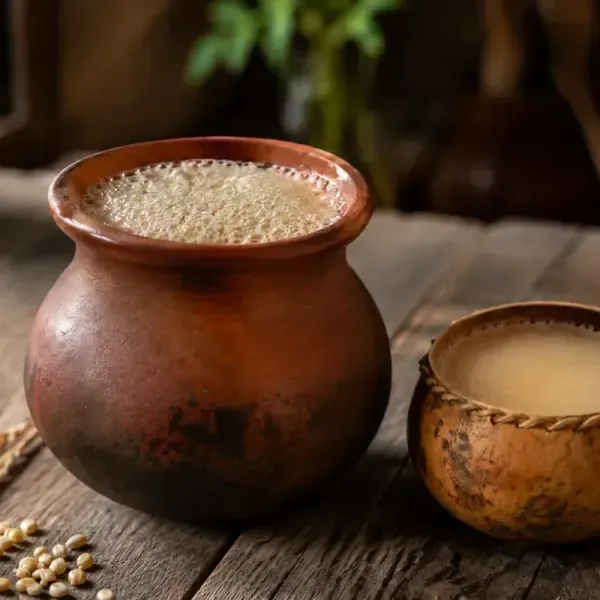
The other family is what people actually drink all day. Chicha morada is boiled from dried purple corn with pineapple skin, cinnamon and clove, strained and served cold — a soft drink, not an alcoholic one, and easily the most common thing on a Peruvian lunch table. Emoliente is sold from carts before dawn, hot, from a stack of glasses, and every vendor mixes it slightly differently. And chicha de jora is the genuinely ancient one: corn beer, fermented, older than the Inca state that spread it.
The two purple drinks cause the most confusion abroad, so it is worth being blunt: chicha morada and chicha de jora share a word and almost nothing else. One is a boiled fruit-and-corn refresher a child can drink at lunch. The other is fermented and alcoholic. They are not versions of each other.
Two of these have no alcohol at all, which surprises people who arrive expecting only pisco. Start with whichever fits the hour.
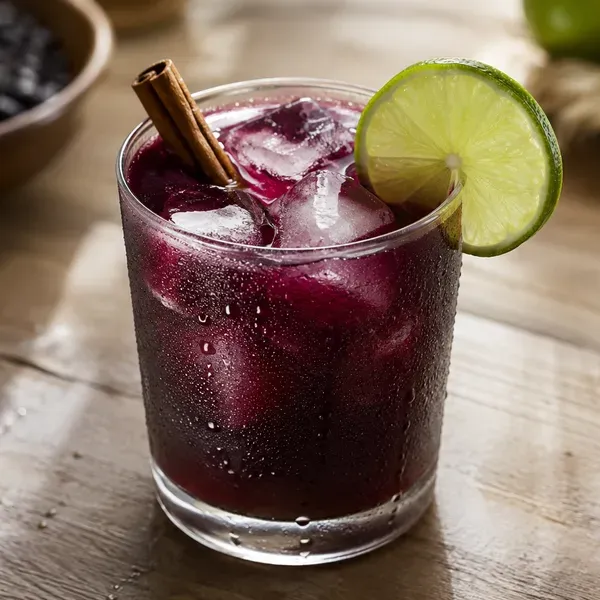
Chicha morada. The one to make first, and it is not alcoholic despite what the name suggests to anyone who knows the other chicha. Purple corn boiled with pineapple peel, cinnamon and clove, then chilled and limed.
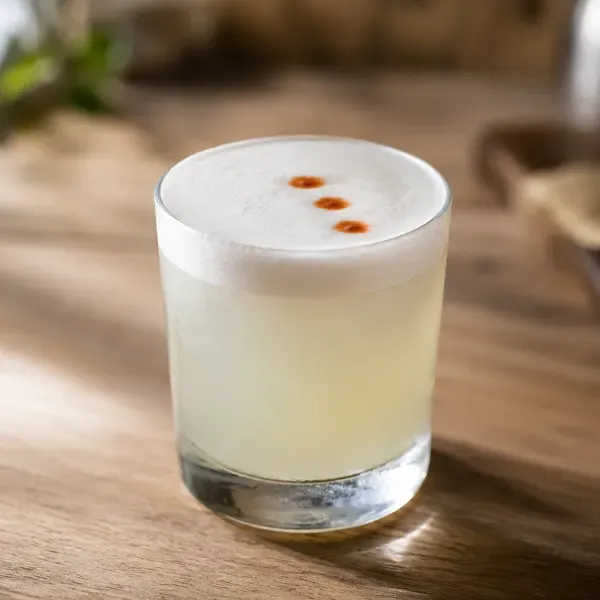
Pisco sour. The famous one. Three parts pisco, one lime, one syrup, egg white, and a dry shake that does all the work. Technique matters here more than in anything else on this page. For readers of legal drinking age.
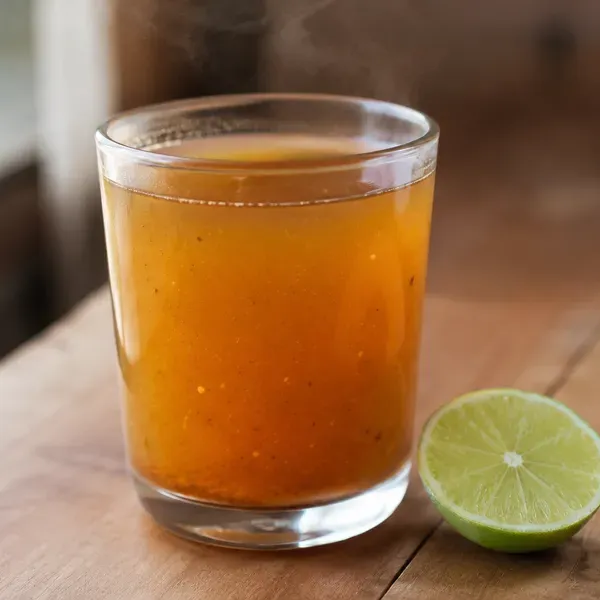
Emoliente. The one nobody outside Peru expects. Barley, flax, horsetail and lime, sold hot from a cart before sunrise and poured from a height into a small glass.
Highlands
Cremoladas: fresh fruit blended with ice into a thick slush eaten with a spoon. The Peruvian street-cart answer to a hot afternoon.
Coast
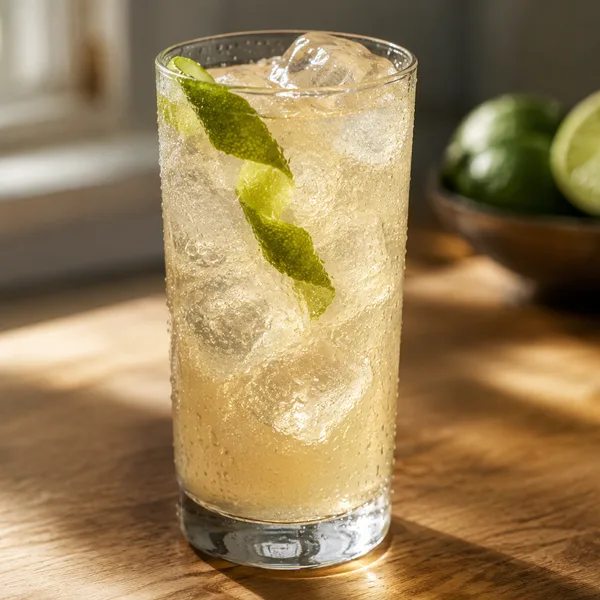
Chilcano de pisco: pisco, ginger ale and lime over ice — the tall drink Peruvians reach for more often than pisco sour. For readers of legal drinking age.
Coast
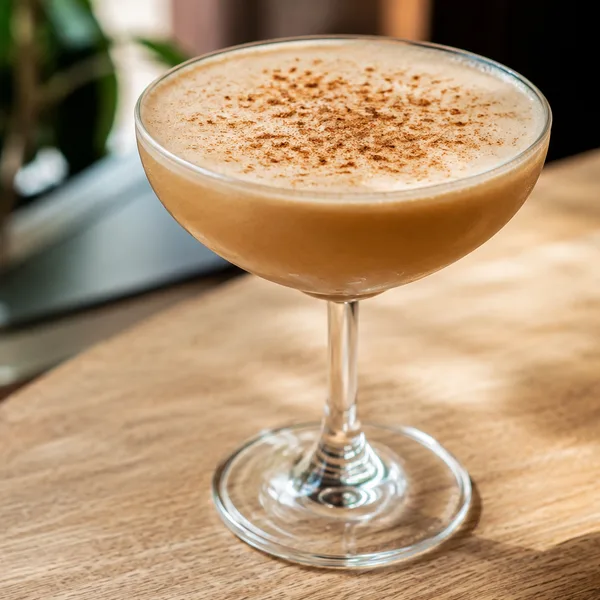
Algarrobina: pisco, carob syrup, egg and cinnamon blended into something between a Peruvian cocktail and a dessert. For readers of legal drinking age.
Highlands
Chicha de jora explained: the sprouted-corn beer of the Andes, its Inca history, the chichería tradition, and its essential role in Peruvian cooking.
Coast
The classic pisco sour: the 3-1-1 ratio, which pisco to buy, the dry shake for perfect foam, and the Peru-Chile story told with facts and good humor.
Coast
How to make real chicha morada: which purple corn to buy, why pineapple skin matters, and the simmering method Peruvian families use every Sunday.
Highlands
What emoliente is, why every Peruvian corner has an emolientero at dawn, and how to brew the barley-flaxseed-herb drink at home.
What is the difference between chicha morada and chicha de jora? They share a word and almost nothing else. Chicha morada is a soft drink made from purple corn, boiled with fruit and spices. Chicha de jora is fermented corn beer, older than the Inca state, and it is alcoholic. Ordering the wrong one is a common and memorable mistake.
Which pisco should I buy? Puro de quebranta is the standard and what most Peruvians pour — earthy and restrained, so the lime and the ginger stay in front. Acholado, a blend, works well in a chilcano. Save the aromatic ones and mosto verde for drinking on their own.
Do I really need egg white in a pisco sour? For the real thing, yes. It is what gives the foam and the texture, and without it you have a pisco and lime over ice — a fine drink and a different one. Aquafaba works if raw egg is a problem, though the foam is less stable.
What do Peruvians actually drink most? Chicha morada at the table and chilcano at the bar. The pisco sour is the one that travels and gets photographed, but the chilcano — pisco, ginger ale, lime, ice — is far more common inside Peru because it takes no skill and no equipment.
The cocktail recipes here are written for readers of legal drinking age in their own country. We do not publish home fermentation instructions for the alcoholic ones — where a drink needs to be fermented, we explain what it is and where to buy it rather than how to brew it.
Peruvian desserts · Peruvian soups · Peruvian appetizers · Peruvian main dishes