Amazon
Ensalada de chonta: the Amazon's palm heart salad
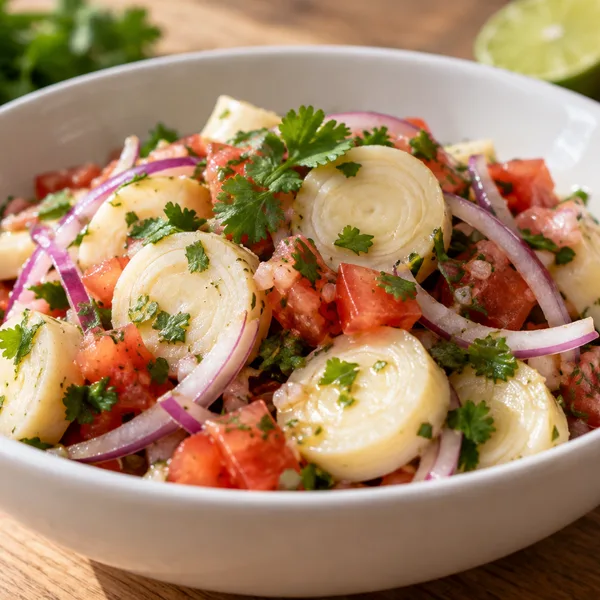
Ensalada de chonta: sliced palm heart tossed with tomato, onion and lime — the Amazon's crisp, cooling answer to a salad, built around an ingredient that only comes from one tree.
Collection · Starters
The Peruvian starter is mostly a potato in a good disguise. That is not a joke about a limited pantry — it is the opposite. Peru grows thousands of potato varieties, and the starters here exist because cooks had enough different potatoes to build a whole course out of them: yellow potato whipped with lime and chile and layered like a cake (causa), potato wrapped around a beef picadillo and fried (papa rellena), boiled potato under a chile-and-cheese sauce (papa a la huancaína) or under its greener Arequipa rival (ocopa).
Most of them are served cold or at room temperature, which is why they turn up at every gathering: they can be made hours ahead and they travel. That also makes them the backbone of a piqueo, the plate of small things that comes out alongside drinks — a slice of causa, some olives, a bit of cheese. Nobody orders a piqueo expecting to be full.
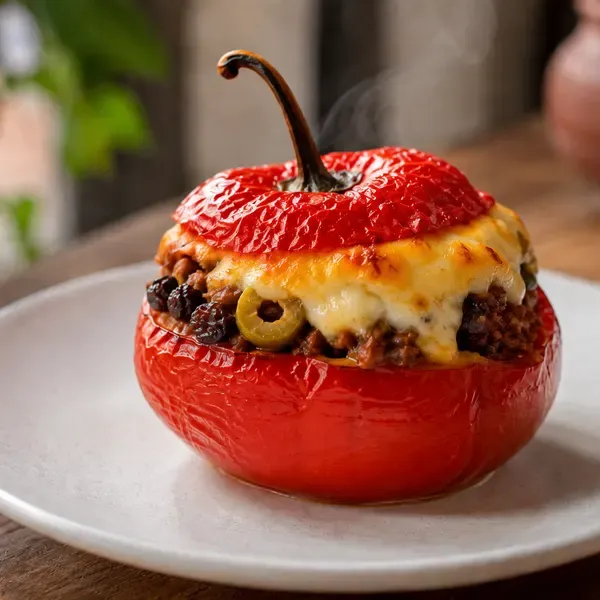
The exceptions on this list are the hot ones and the sandwiches. Rocoto relleno is Arequipa refusing to be moderate about anything: a stuffed chile that genuinely burns, baked with potato cake underneath. And the sandwiches — butifarra, with its jamón del país and salsa criolla — are street food that ended up on the starter list because they are the right size to share.
Peruvian starters are mostly cold, mostly potato, and mostly built to be eaten standing up. These three cover the ground.
Papa a la huancaina. The first one to learn, and the sauce turns up everywhere afterward. Boiled potato under a sauce of ají amarillo and fresh cheese, served cold. Five minutes in a blender and you have it.
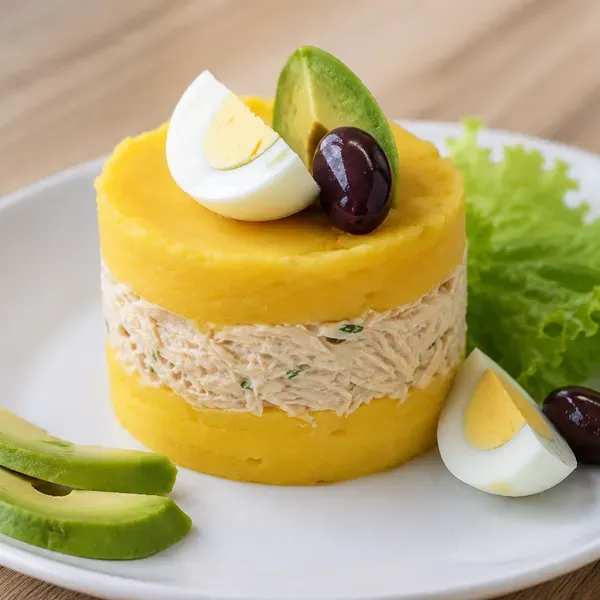
Causa limena. Yellow potato whipped hot with lime and ají, then chilled and layered like a cake. It is the dish that explains why potatoes are Peru's real luxury ingredient.
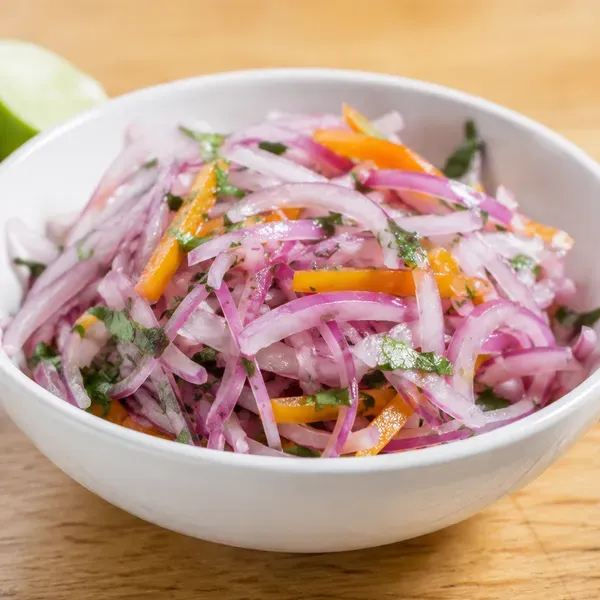
Salsa criolla. Barely a recipe and impossible to do without. Red onion, lime, salt, ají — five minutes, no cooking, and it goes on top of half the food in this country.
Amazon
Ensalada de chonta: sliced palm heart tossed with tomato, onion and lime — the Amazon's crisp, cooling answer to a salad, built around an ingredient that only comes from one tree.
Highlands
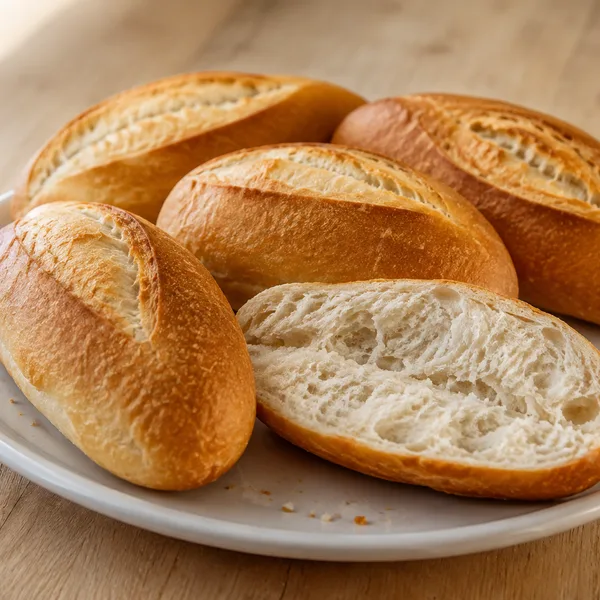
Pan francés isn't French at all — it's Peru's everyday bread roll, bought fresh every morning. The bakery culture behind it, and how to bake it at home.
Highlands
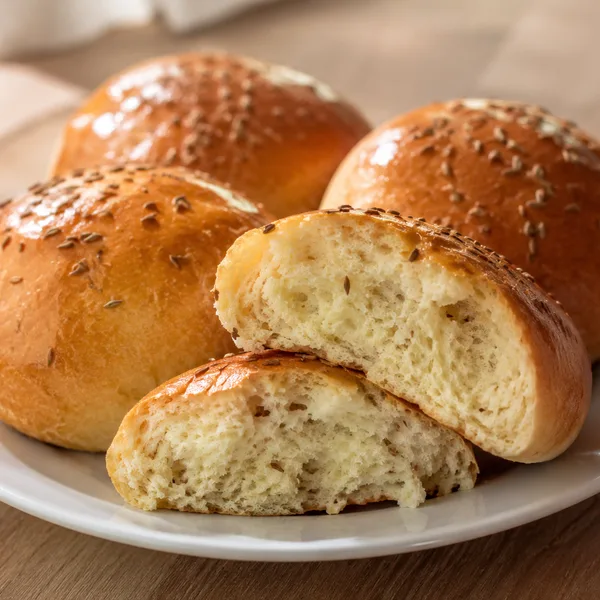
Pan de anís: a soft, faintly sweet bread scented with anise seed — a staple of Andean bakeries, often shaped into rounds or braids for a Sunday breakfast table.
Coast
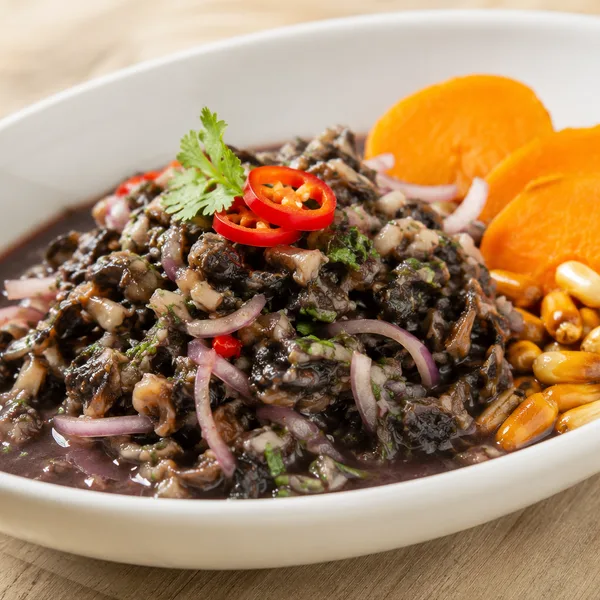
Cebiche de conchas negras: black clams from the Tumbes mangroves, cured in lime with their own liquid and a splash of chicha de jora. Peru at its most local.
Coast
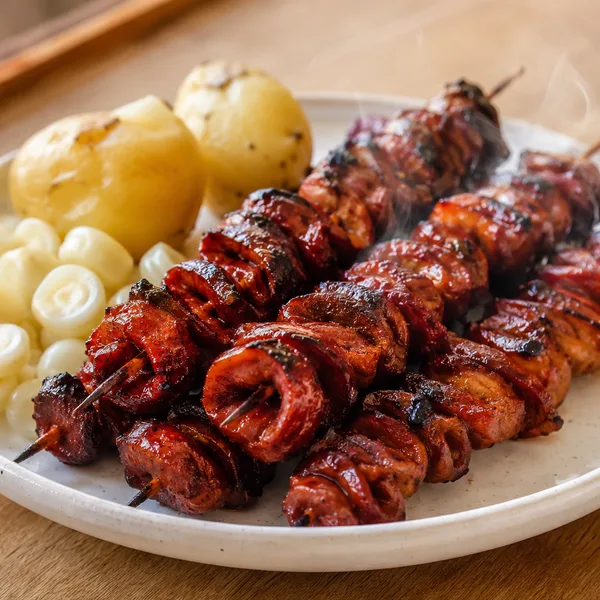
Choncholí: beef intestine cleaned, braised tender, marinated in ají panca and grilled hard. Sold from the same Peruvian street carts as anticuchos.
Coast
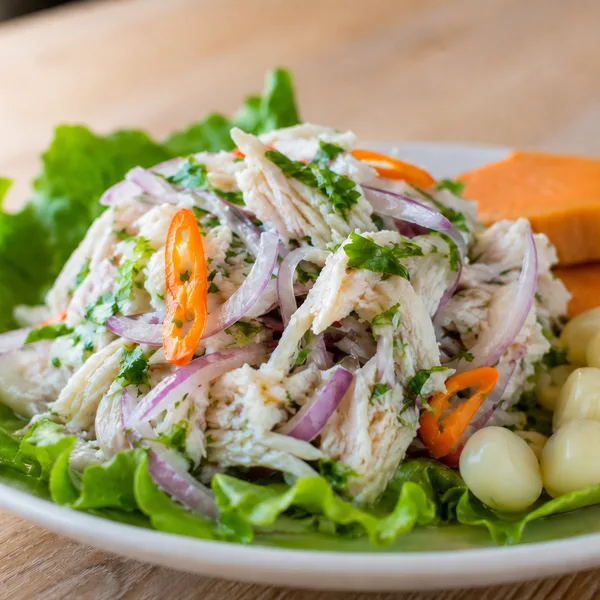
Chinguirito: salted dried guitarfish shredded into threads, soaked, then dressed with lime and onion. A Lambayeque ceviche that starts far from fresh fish.
Coast
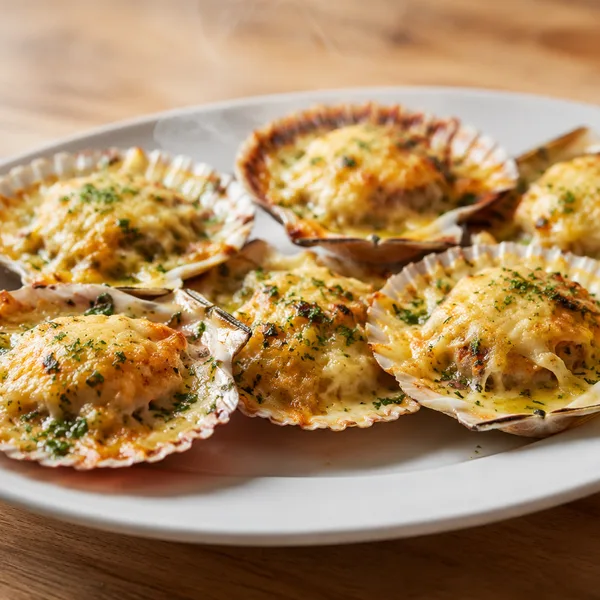
Conchitas a la parmesana: scallops broiled on the half shell under garlic butter and parmesan. Italian technique, Peruvian shellfish, five minutes of heat.
Coast
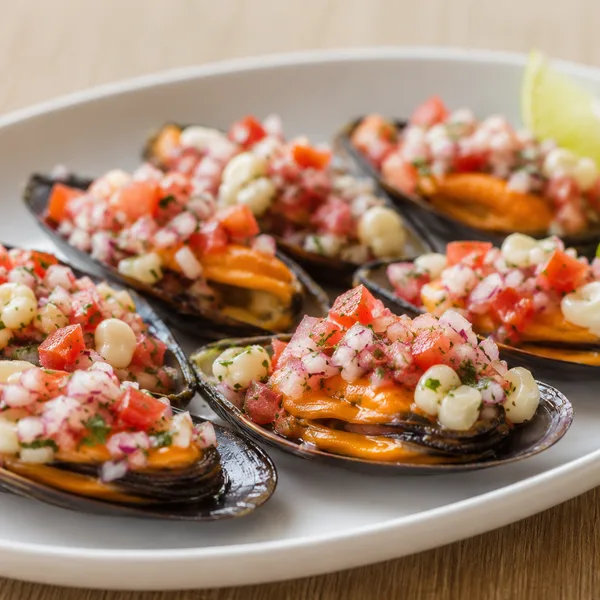
Choros a la chalaca: mussels steamed open and piled with chopped onion, tomato, corn and lime. The starter Callao gave the rest of Peru.

Coast
Peruvian empanadas are baked, not fried: flaky pastry around a beef picadillo with raisins, olives and egg, built on an ají panca aderezo.
Coast
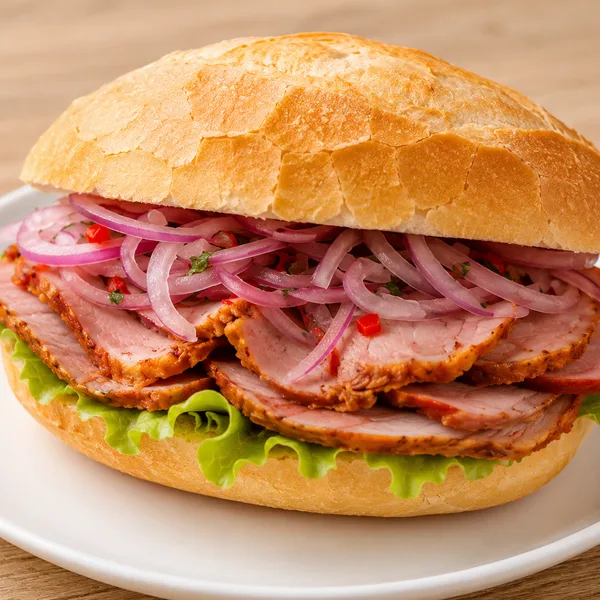
Country ham piled into crusty pan francés with salsa criolla on top. Three ingredients, no shortcuts, and the onion goes on at the last second.
Highlands
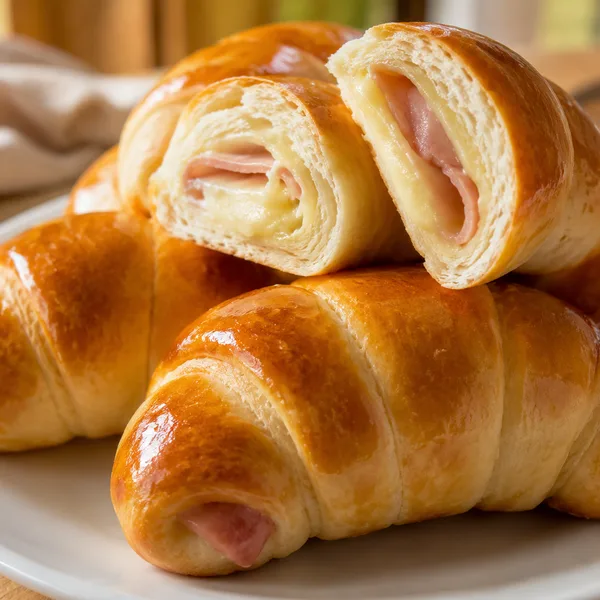
Soft crescent rolls filled with ham and cheese, baked until golden. The breakfast bread in every Peruvian bakery case, and how to make it at home.
Coast
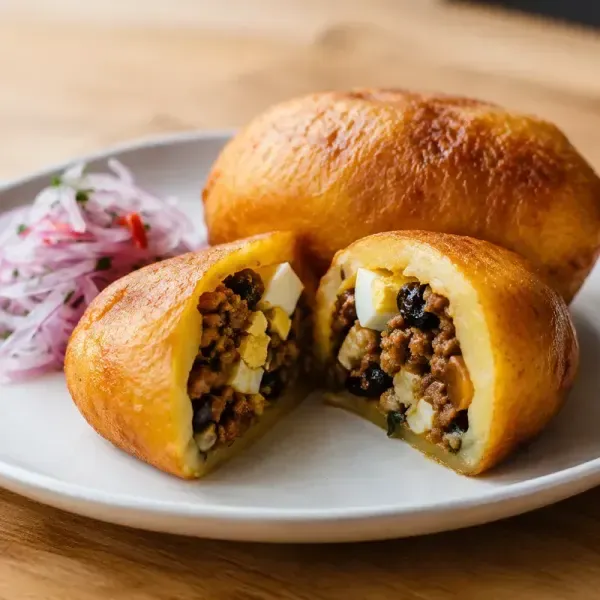
Papa rellena: mashed-potato dough around a spiced beef filling, fried golden — the technique, the no-burst rules, and why it's causa's fried cousin.
Highlands
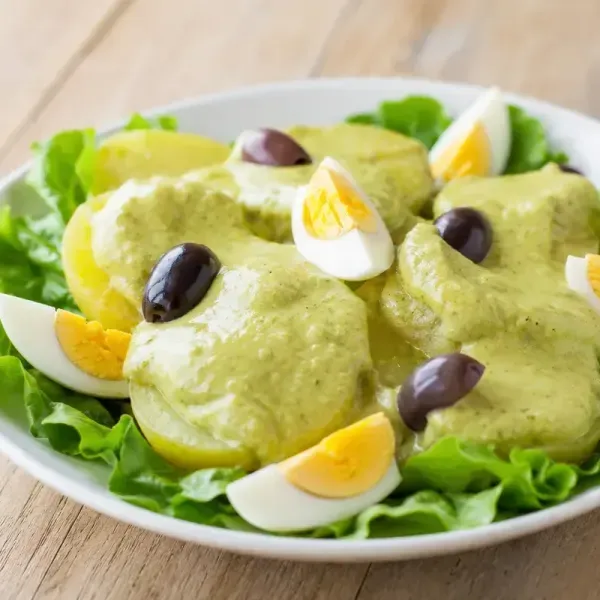
Ocopa arequipeña: the huacatay-and-peanut green sauce over potatoes, how it differs from huancaína, and the honest huacatay substitutes abroad.
Highlands
Rocoto relleno: how Arequipa tames its hottest pepper (the triple boil), the beef-raisin-olive filling, and the pastel de papa that shares the oven.
Coast
Salsa criolla, the red onion and lime relish on every Peruvian table: the fine-julienne rule, the cold-water soak, and everything it belongs on.
Coast
How to make causa limeña: the potato that matters, the lime-and-ají dough, clean layering, and the fillings that keep it classic.
Highlands
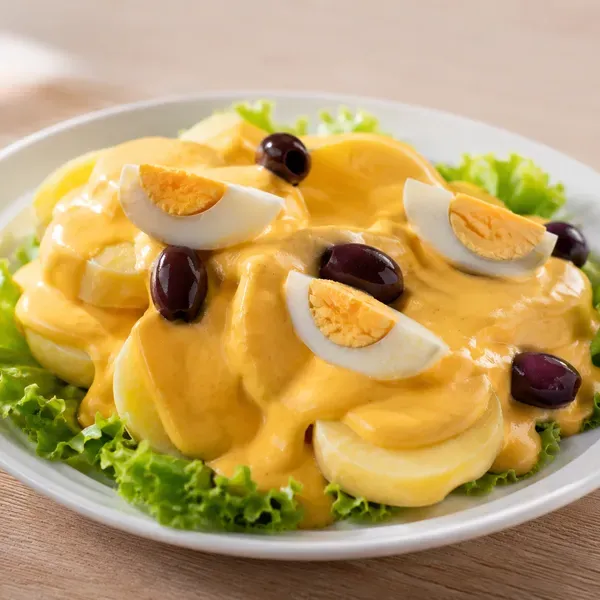
Papa a la huancaína explained from Junín, the region that named it: the real sauce ratio, the cracker question, and what makes huancaína huancaína.
Why are so many Peruvian starters served cold? Because they were built to be sold and carried. Causa, papa rellena and the sandwiches all come from a tradition of food handed over on a street or a bus, where nothing can depend on staying hot. Cold also suits the lime and raw onion that run through most of them.
What is a piqueo? The plate of small things that comes out with drinks, before anybody has decided what they are actually eating. Most of this page can go on one — choros a la chalaca, papa rellena and anticuchos are the usual suspects.
Can I make salsa criolla ahead of time? Chop it ahead, dress it at the last minute. Lime starts breaking the onion down on contact, and salsa made an hour early goes limp and watery. Rinse the sliced onion in cold water first or it will bully everything you put it on.
What is the difference between huancaina and ocopa? Both are cold chile-and-cheese sauces poured over boiled potato, and they come from different cities. Huancaina is ají amarillo and queso fresco — yellow, smooth, everywhere. Ocopa is Arequipa's, with huacatay and peanuts added, and it comes out green and herbier.
Two of these are less dishes than tools. Salsa criolla and papa a la huancaína turn up inside half the other recipes on this site, so if you learn only two things from this page, learn those.
Peruvian desserts · Peruvian soups · Peruvian drinks · Peruvian main dishes