
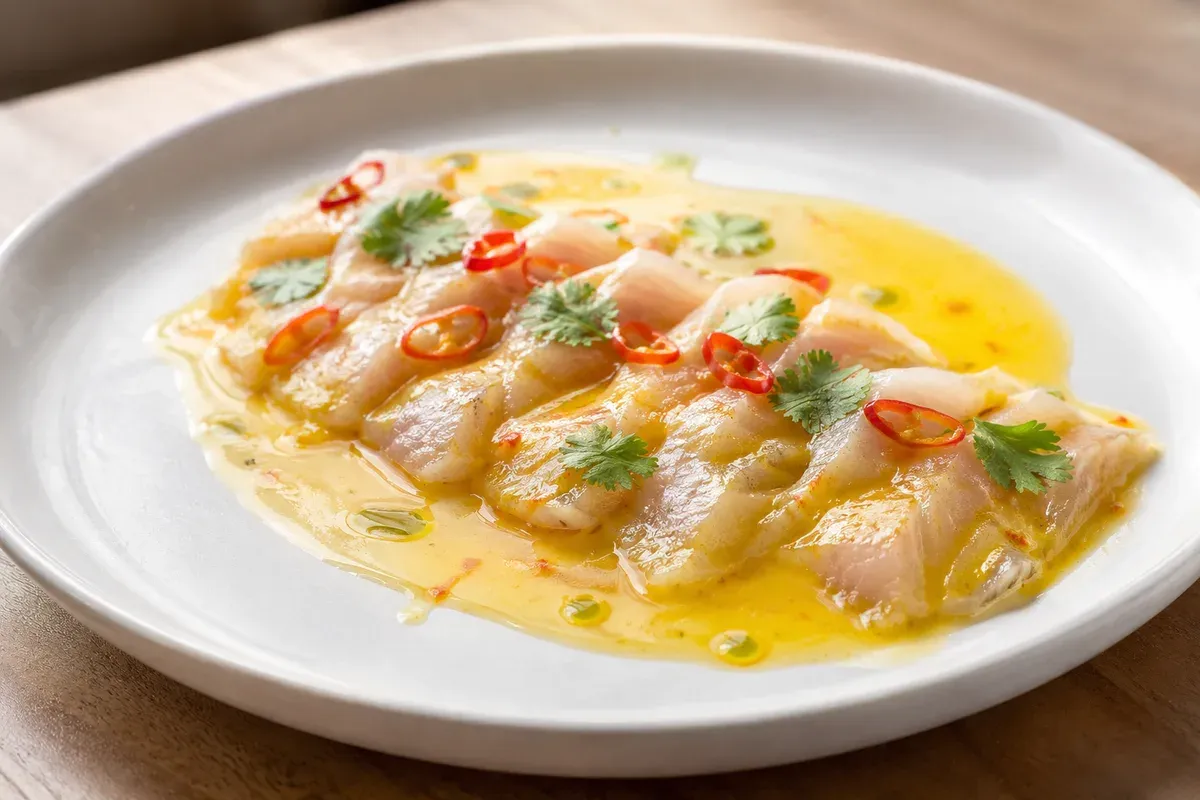
Put ceviche and tiradito side by side and you can read a century of Peruvian history in the cut of the fish. Ceviche is cubed, tossed with onion, and marinated minutes; tiradito is sliced thin like sashimi, laid flat with no onion at all, and sauced at the very last second. That knife work is the signature of Nikkei cuisine — the food born when Japanese immigrants, arriving in Peru from 1899 onward, met the Peruvian pantry. Their children and grandchildren ran fish stalls and corner restaurants, brought a sashimi master's respect for the raw slice, and quietly revolutionized how Lima eats fish. Tiradito is the most beloved child of that marriage: Japanese in its cut and restraint, Peruvian in its lime, its ají amarillo and its volume of flavor.
For the home cook, the practical news is excellent: tiradito is even simpler than ceviche. There's no marination clock to respect, because there's no marination — the sauce meets the fish on the plate. If you've already learned our leche de tigre, tonight's version just turns it golden.
I had my first tiradito on a trip down to the coast, and what struck a highlander raised on ceviche was how quiet it is — no onion, no pile, just the fish lying there under a ribbon of gold. Up here it's a special-occasion plate, because it lives or dies on the fish being spotless and the coast is a bus ride away; when good fish does come up, a tiradito feels like dressing up. We take ours bien picante, with extra rings of ají limo — elegant doesn't have to mean shy.
Ceviche vs. tiradito, settled in one table-talk
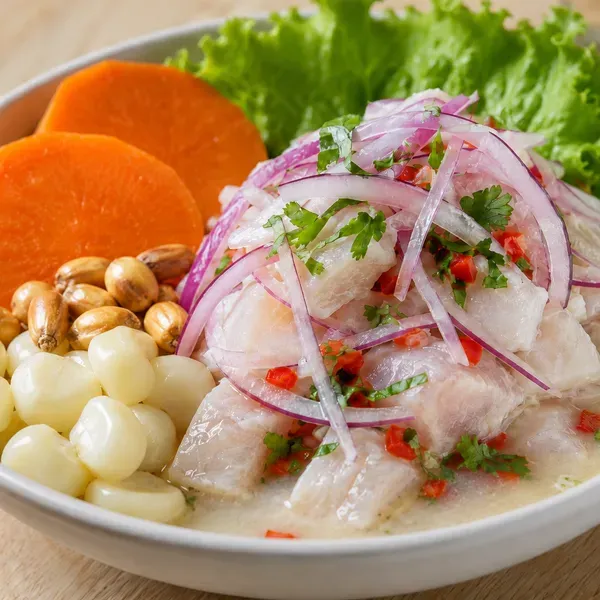
Three differences, all deliberate. The cut: thin flat slices against the grain, not cubes — more surface, more delicacy, instant seasoning. The onion: absent. Tiradito's cleanliness is the point; the red onion crunch belongs to its cousin. The timing: the sauce is poured over the laid-out fish seconds before it's eaten, so the lime barely whispers to the fish instead of transforming it. The result reads softer, silkier and more elegant — ceviche in evening wear.
Ceviche marinates. Tiradito gets dressed at the door.
The golden sauce
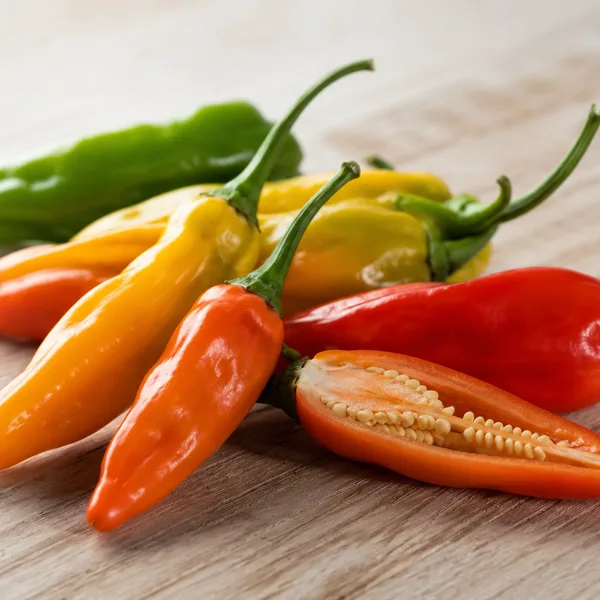
The classic tiradito sauce is a leche de tigre blended with ají amarillo paste until it turns a creamy gold — the same fierce lime base from our guide, rounded and fruited by the chile. Restaurants riff endlessly (rocoto for a red version, olive sauce in the style made famous with octopus, soy-and-ginger Nikkei blends), but gold is the home benchmark. Two technical notes: blend with ice so the sauce stays cold and slightly creamy, and strain it — a tiradito under gritty sauce is a beautiful idea badly dressed.
Slicing without a sushi diploma
You need a sharp knife, a firm chilled fillet and patience for exactly ten slices. Work against the grain at a slight angle, drawing the knife in one long pull rather than sawing; aim for 5 mm — thin enough to be delicate, thick enough to survive the sauce. Fifteen minutes in the freezer firms the fillet and makes every cut easier, a trick every Nikkei kitchen uses. Same fish-buying law as ceviche: firm white flesh, absolute freshness, and good flash-frozen fish is a respectable and safe ally.
The recipe
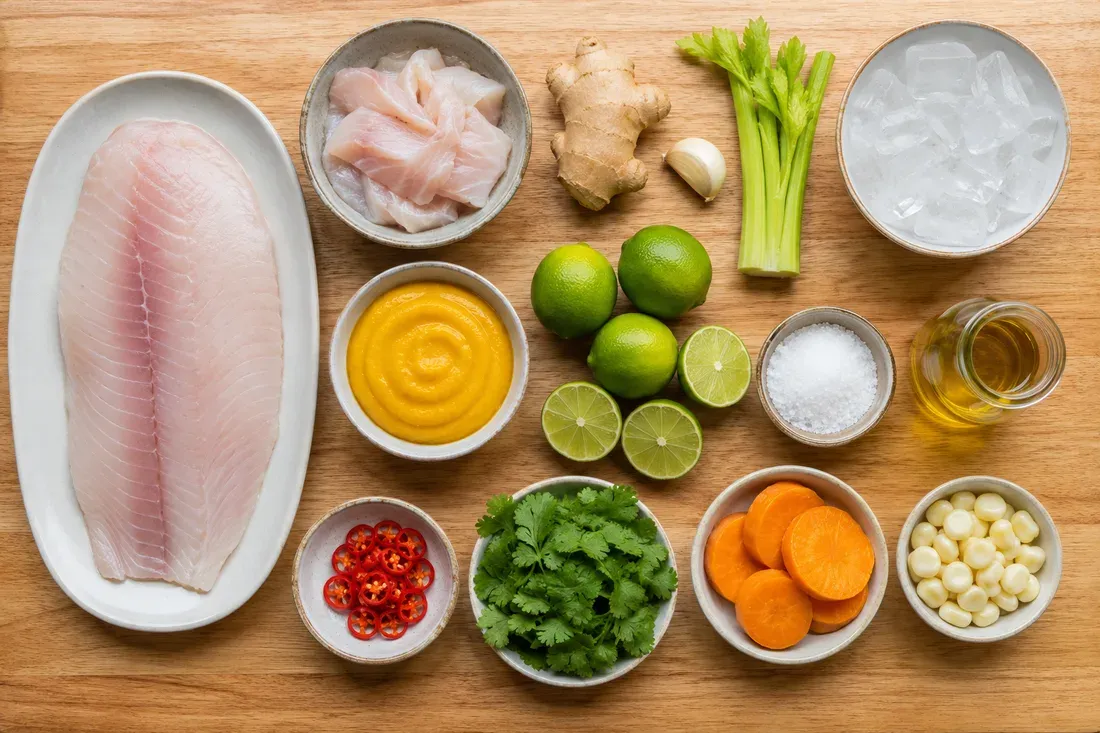
Ingredients
- 400 g very fresh firm white fish, in one neat fillet (sea bass, flounder, halibut)
- Juice of 6 limes (~150 ml), squeezed at the last minute
- 2 tbsp ají amarillo paste
- 50 g white fish trimmings (from squaring your fillet)
- 2 cm fresh ginger · 1 small garlic clove · ½ small celery stalk
- 3 ice cubes · salt
- To finish: thin rings of ají limo, cilantro leaves, a few drops of neutral or olive oil
- On the side: boiled sweet potato or choclo corn
Method
- Cold everything. Plates in the fridge, fillet 15 minutes in the freezer.
- Slice. Ten to twelve slices per portion-half, 5 mm, against the grain, one pull each. Lay them flat, slightly overlapping, on the cold plates. Back to the fridge.
- Blend the golden leche de tigre. Lime, ají paste, trimmings, ginger, garlic, celery, ice, salt — short pulses, 20 seconds, then strain. Taste: intense, golden, cold.
- Dress at the door. A light pinch of salt directly on the slices, then the sauce in a wide ribbon down the middle — enough to pool, not to drown.
- Finish and run. Ají rings, cilantro leaves, a few drops of oil for shine. To the table volando — flying, as we say when something cannot wait; tiradito's whole personality is the first two minutes.
Troubleshooting, from experience
The slices turned white and stiff before serving. The sauce went on too early. Dress at the table if you must; the fish should still look pearly when the first fork lands.
The sauce is pale and thin. Short on ají paste or fish trimmings. The gold and the body come from those two; lime alone is just weather.
Ragged slices. Knife not sharp enough or fish not cold enough. Fix the tool and the temperature before blaming your hands.
What to serve it with
Tiradito opens a meal the way ceviche does, but its elegance also lets it share a table with causa for a cold Peruvian starter spread that needs no stove at all. Glass of chicha morada, of course. And when we publish arroz con mariscos, you'll have the full cevichería menu at home.

Junior Quintana learned to cook from his mother, Lina, in Junín, in the central Peruvian Andes — a kitchen where chicha morada simmered every Sunday and there were always native potatoes with cheese and choclo on the table. He started Andean Kitchen to share the food he grew up with, in English and without shortcuts: every recipe cooked and tested at home, where it's really made. His favorite dish is, and probably always will be, pachamanca. See how we cook, test and photograph.
Did you cook this?
Tell me how it went — including what did not work. I read every one, and with your permission I will put it on this page, with your first name, for whoever comes next.