

Arroz tapado — tapado means covered, and that is the entire idea — is one of those dishes built entirely around presentation doing more work than the ingredients themselves would suggest. The filling has a name of its own — picadillo, the finely chopped beef-and-onion mixture that also fills papa rellena and half the empanadas in the country. It's the kind of thing that turns up as the segundo — the main course of a Peruvian set lunch, the plate that follows the soup. Rice and ground beef, both humble on their own, packed into a bowl and unmolded onto a plate so the finished dish arrives as a neat dome, the beef filling hidden inside until the first cut reveals it. It's a favorite for lunchboxes and family lunches precisely because it reheats and travels well, and because kids who'd otherwise pick at plain rice and meat tend to find the reveal genuinely fun.
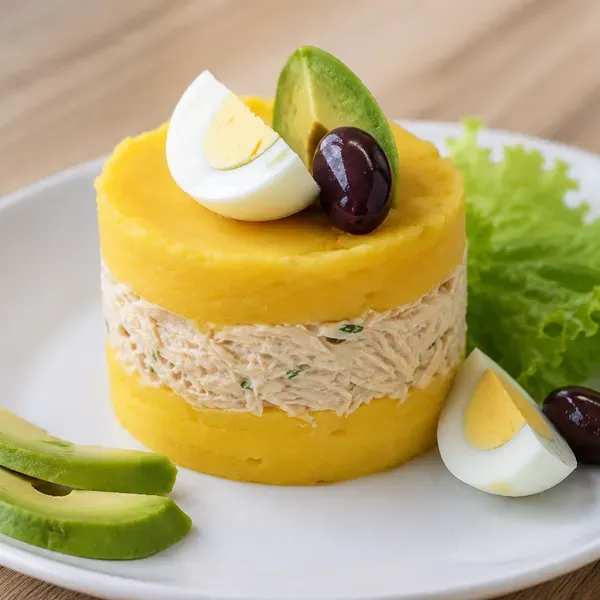
The filling itself, a picadillo built from ground beef, onion, tomato and ají amarillo with raisins and olives stirred through, shares real DNA with the filling inside causa limeña and other layered Peruvian dishes — the instinct to build something rich and savory-sweet, then wrap it in something plain and neutral, shows up again and again in this cuisine.
In our house arroz tapado was never planned. It was what yesterday's rice became when there wasn't enough of anything else to build a proper segundo, and it arrived at the table looking so deliberate that nobody thought to complain about eating leftovers. My mother unmolded it with a bowl, a plate and a small flick of the wrist she would deny doing if you asked her.
The mold matters more than the recipe
Any small bowl works as the mold — there's nothing specialized required — but it needs a proper coat of butter or oil on the inside first, or the rice will tear apart on the way out instead of releasing cleanly. Press the rice firmly into the bottom and up the sides, thick enough that it holds its own shape once unmolded, with the beef filling packed into the well it leaves in the center.
This isn't a recipe you can rush at the mold step. A thin, unpressed layer of rice just collapses the second you lift the bowl away.
Raisins and olives, doing the same job as elsewhere
The combination of sweet raisins and briny olives inside a savory beef filling isn't unique to this dish — it's the same instinct behind picadillo fillings across Peruvian criollo cooking, where a little unexpected sweetness rounds out a filling that would otherwise taste flat and one-note.

Making it ahead, and sending it in a lunchbox
This is a dish designed around leftovers and it behaves accordingly. The picadillo keeps three days in the fridge and is arguably better on the second, once the raisins have softened into the sauce. Make it ahead without hesitation.
- For a lunchbox. Unmold it straight into the container while everything is still warm, then let it cool with the lid off before closing. Trapped steam is what turns the rice sticky by lunchtime.
- Reheating. Covered, with a spoonful of water, in the microwave. It comes back well — the dome loses its edges but nothing else suffers.
- What not to do. Do not assemble it cold. Cold rice will not press into the mold and will not hold the shape when you lift the bowl away.
The recipe
Ingredients
- 3 cups cooked white rice, warm
- 500g ground beef
- 1 onion, diced · 3 garlic cloves, minced
- 1 tomato, diced · 2 tbsp ají amarillo paste
- 1/4 cup raisins
- 2 hard-boiled eggs, chopped, plus sliced black olives
- 2 tbsp oil · salt · pepper · ground cumin
- Butter, for greasing the bowls
Method
- Start the filling. Cook onion and garlic in oil until soft, then add ají amarillo paste and tomato, cooking a few minutes.
- Brown the beef, breaking it up as it cooks. Season with salt, pepper and cumin, then stir in raisins, chopped egg and olives. Cook until it holds together.
- Line the mold. Butter individual bowls and press warm rice into the bottom and up the sides, leaving a well in the center.
- Fill and seal. Pack the beef mixture into the well, then top with more rice, pressing to seal.
- Unmold each bowl onto a plate and lift away so the rice forms a dome. Serve right away.
Troubleshooting, from experience
Rice fell apart when unmolding. The bowl wasn't greased enough, or the rice wasn't pressed firmly enough into the mold. Both matter equally.
Filling leaked out the sides. The rice layer around the edges was too thin. Make sure it's packed a good half-inch thick all the way around, not just on the bottom.
Rice was too dry to pack. Freshly cooked, slightly warm rice packs far better than rice that's been sitting in the fridge and dried out — if using leftover rice, sprinkle it with a little water and warm it through first.
What to serve it with
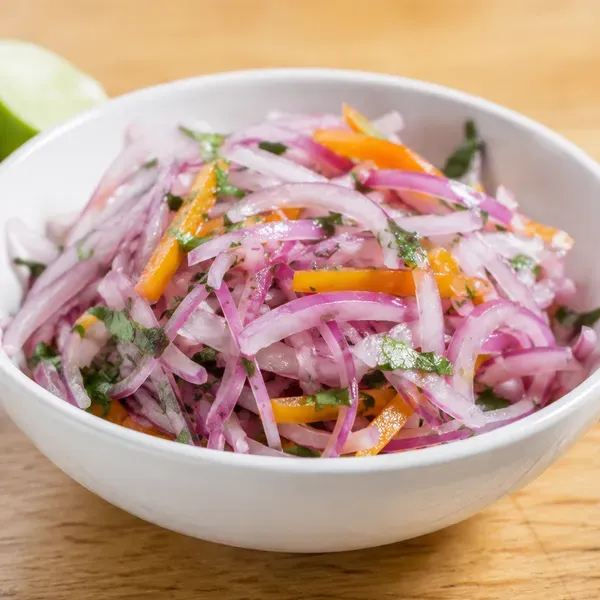
Arroz tapado is a complete meal on its own, but a simple salsa criolla on the side adds a welcome crunch and acidity against the soft rice and rich filling.
Questions people ask
Why did my dome collapse? The rice was not pressed firmly enough, or the layer was too thin. It has to be packed against the bottom and up the sides thick enough to stand on its own once the bowl comes off. And butter or oil the inside of the mold first, or it tears on the way out.
Can I use fresh rice? Yes — unlike chaufa or arroz con mariscos, this one does not need day-old rice. Warm rice actually presses into the mold better. It just happens that arroz tapado is usually what yesterday rice becomes, which is how the dish got its reputation.
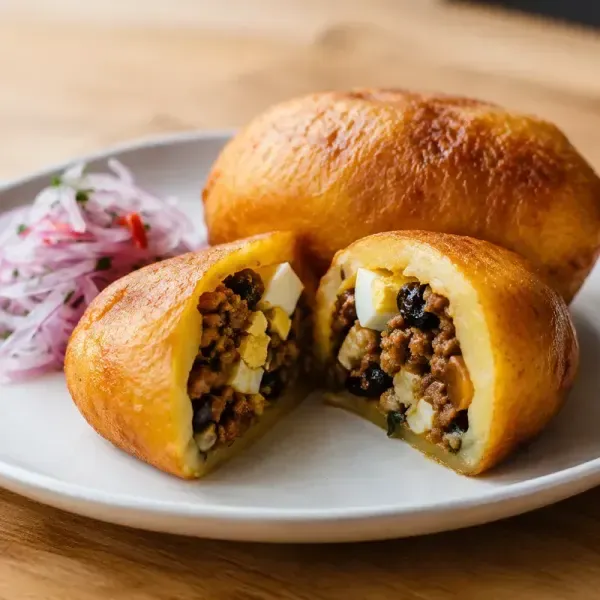
What is picadillo? The finely chopped beef filling — beef, onion, tomato, ají amarillo, with raisins and olives stirred through. The same mixture fills papa rellena and most Peruvian empanadas. That sweet-and-briny combination is a signature of criollo cooking rather than a quirk of this dish.
Do I have to include the raisins? No, and plenty of households leave them out. What they are doing is rounding off a filling that otherwise tastes flat, so if you skip them, consider a little extra tomato or a splash of vinegar to fill the gap they leave.
Junior Quintana learned to cook from his mother, Lina, in Junín, in the central Peruvian Andes — a kitchen where chicha morada simmered every Sunday and there were always native potatoes with cheese and choclo on the table. He started Andean Kitchen to share the food he grew up with, in English and without shortcuts: every recipe cooked and tested at home, where it's really made. His favorite dish is, and probably always will be, pachamanca. See how we cook, test and photograph.
Did you cook this?
Tell me how it went — including what did not work. I read every one, and with your permission I will put it on this page, with your first name, for whoever comes next.