Coast
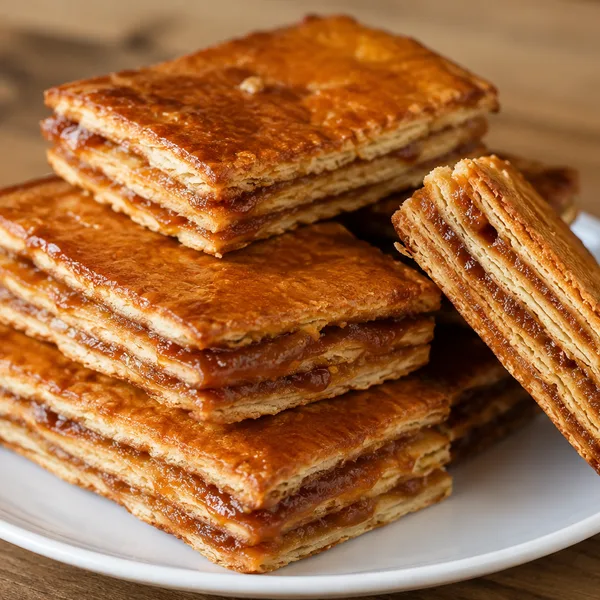
Chumbeque: Chiclayo's hard, layered chancaca candy
Chumbeque: thin crisp layers pressed together with chancaca syrup into a hard, sliceable bar. The northern Peruvian sweet built to survive the journey.
Collection · Desserts
Peruvian sweets come from three kitchens that never quite merged. The Andes brought the raw materials — purple corn, squash, sweet potato, and the unrefined cane sugar we call chancaca. Spanish convents brought a European technique built on egg yolks and slow reduction, which is why so many coastal desserts are yellow, dense and rich. And the African cooks of the coastal estates shaped a third strand: picarones, frejol colado and arroz zambito all belong to that line, and the name zambito says so out loud.
The practical consequence is that most Peruvian desserts are cooked in a pot, not baked. Home ovens were rare here for a long time, and the sweets that survived are the ones a cook could make on a stovetop: puddings stirred until the spoon leaves a trail, custards set with yolks, fritters fried and drowned in syrup. If you are looking for cake, this is the wrong country. If you are looking for something to eat with a spoon, standing up, you have arrived.
They also run on a calendar. October belongs to the Lord of Miracles procession and to turrón de Doña Pepa; frejol colado is a Holy Week sweet on the south coast; and mazamorra morada served in the same glass as arroz con leche — purple beside white — is such a fixed pairing that it has its own name, the clásico combinado. The one thing all of them are judged against is being empalagoso: sweet past the point where you want a second spoonful. A good Peruvian dessert stops just short.
If you have never cooked a Peruvian dessert, these three teach you the most in the least time. Between them they cover the pot, the oven and the fryer.
Mazamorra morada. The one to start with. It is a stovetop pudding with no technique to fail at, and it teaches you what purple corn actually tastes like — which is the foundation of half of this list.
Crema volteada. Peru's flan, denser and eggier than most. The caramel and the flip are the only difficult moments, and getting them right once means you can make it forever.
Picarones. Harder, and worth it. Squash and sweet potato in a yeasted dough, fried into rings and drowned in chancaca syrup. If you can shape these you can make anything else here.
Coast
Chumbeque: thin crisp layers pressed together with chancaca syrup into a hard, sliceable bar. The northern Peruvian sweet built to survive the journey.
Highlands
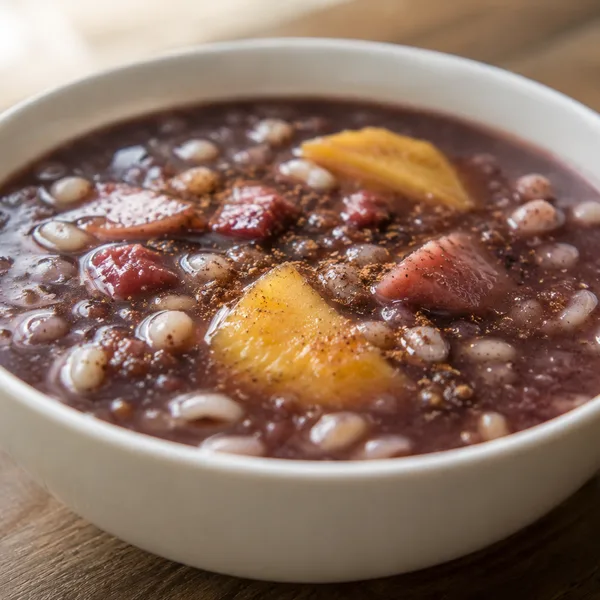
Champús: hominy corn simmered into a purple corn, quince and pineapple broth and served warm. The highland cousin of mazamorra morada, with more to chew.
Coast
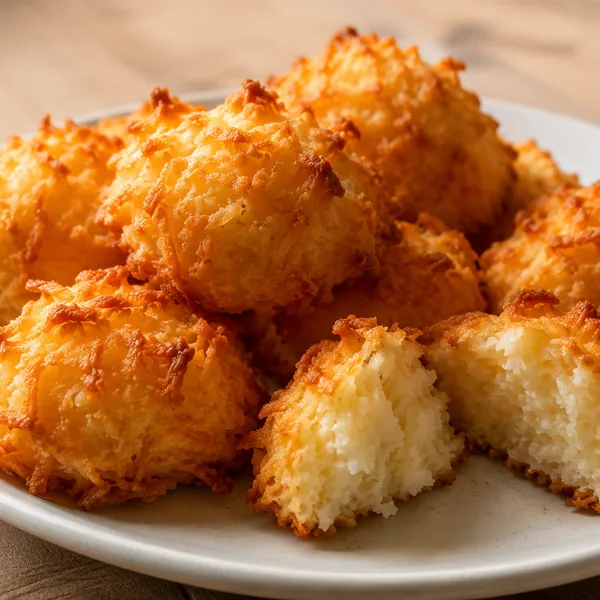
Cocada: coconut, sugar and condensed milk cooked down and baked into a chewy Peruvian candy. Beach food, sold from a basket long before it was a recipe.

Coast
Crema volteada is Peru's flan: denser and eggier than most, baked over caramel in a water bath and flipped onto the plate at the last moment.
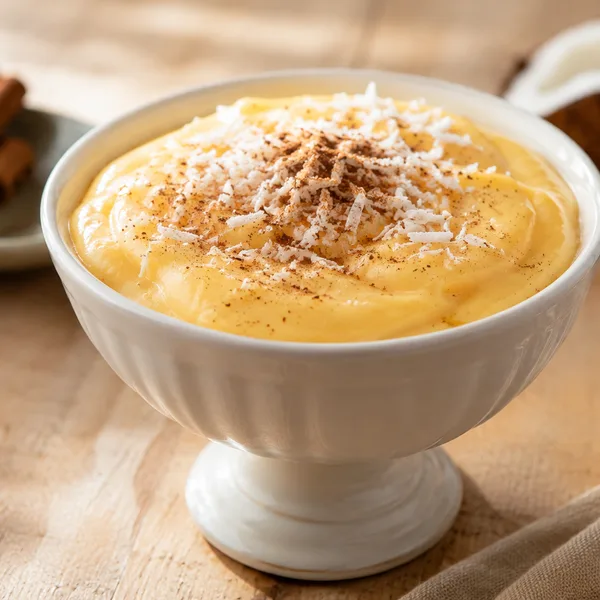
Coast
Bienmesabe: coconut, egg yolks and sugar cooked into a thick, sliceable Peruvian custard whose name is a compliment the dish pays itself.
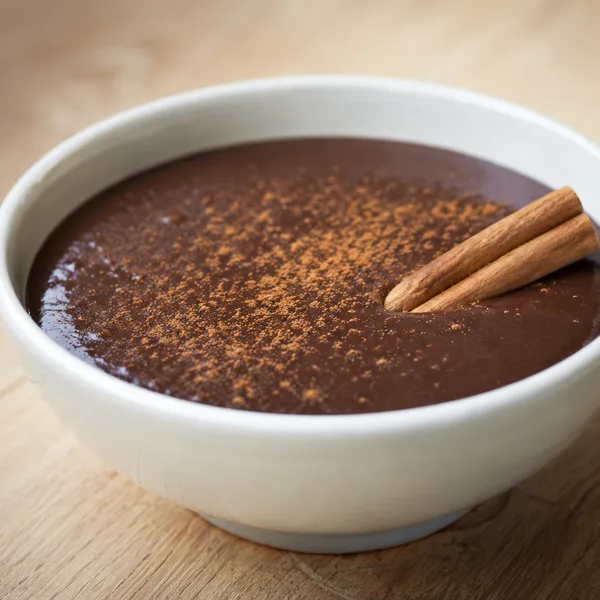
Coast
Frejol colado: black beans cooked down with milk and spices into a rich, sweet paste — Ica's strangest-sounding Peruvian dessert, and one of its best.
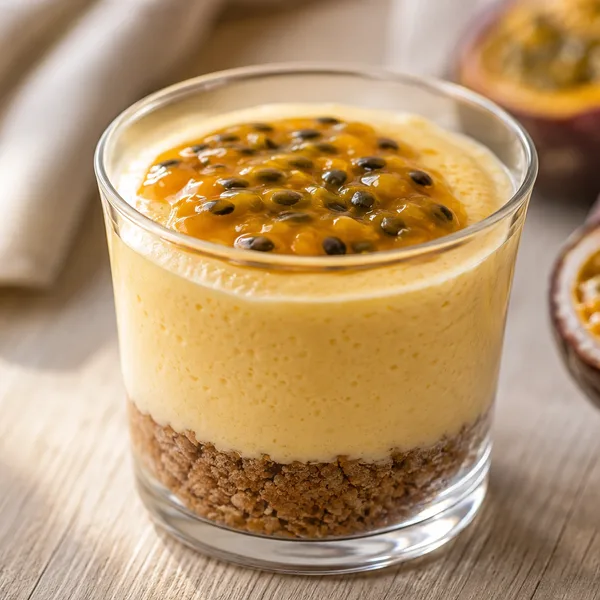
Coast
Passion fruit mousse over a crumbled biscuit base, set in the fridge with no oven involved. The Peruvian dessert that turns up at every birthday.
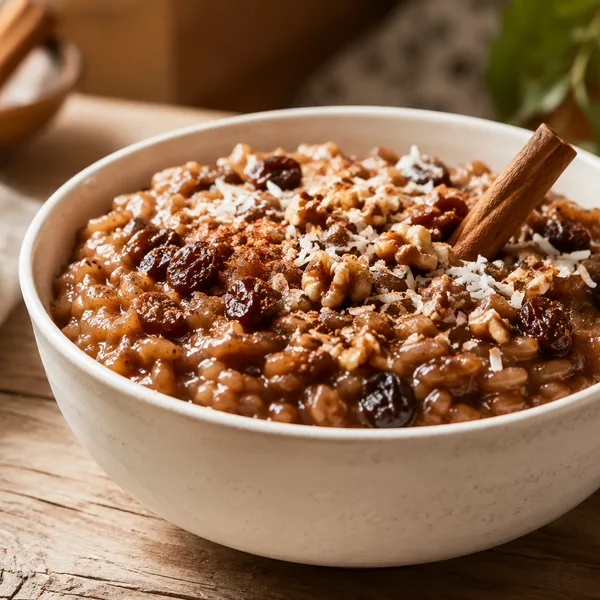
Coast
Rice cooked slowly in chancaca syrup with coconut, raisins and warm spices. The Afro-Peruvian dessert that takes arroz con leche somewhere darker.
Highlands
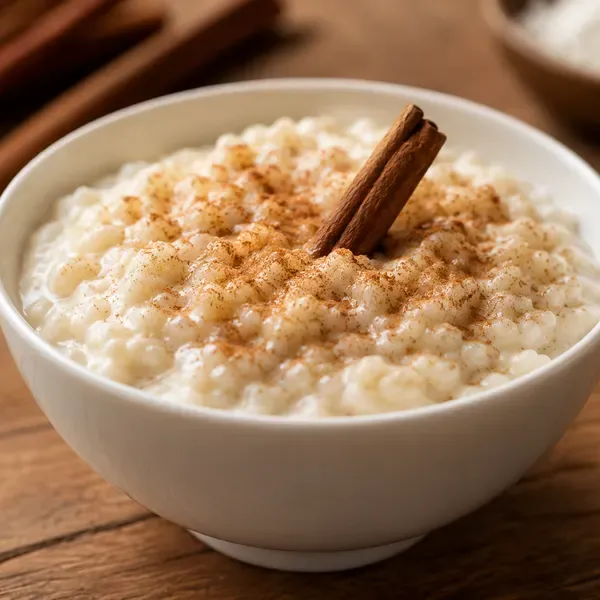
Peruvian arroz con leche: the two-milk method, the cinnamon-clove-citrus infusion, and the clásico combinado with mazamorra morada.
Coast
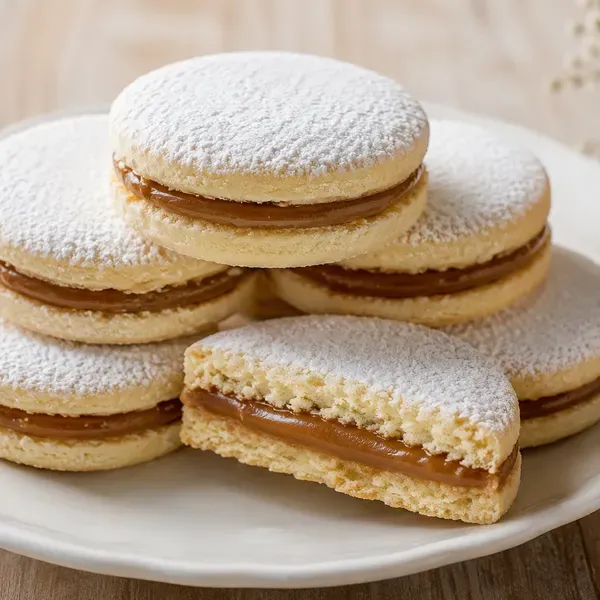
Peruvian alfajores: the cornstarch dough that melts, homemade manjar blanco, and the powdered-sugar snowfall — the cookie of every Peruvian celebration.
Coast
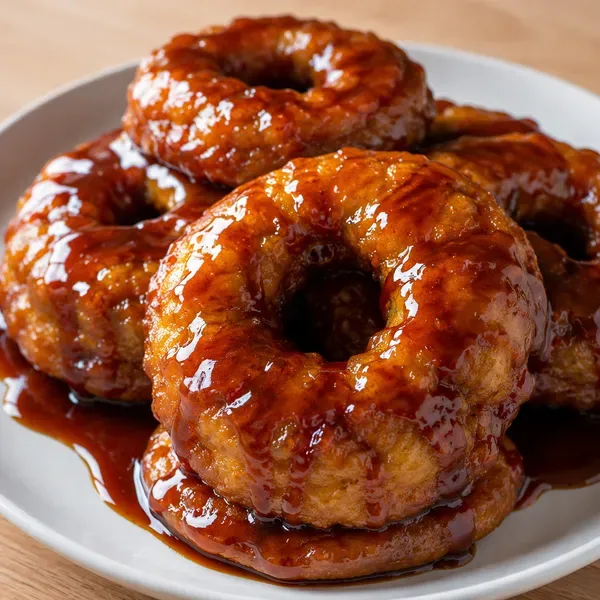
How to make picarones at home: the squash-and-sweet-potato dough, the wet-hand shaping trick, and the chancaca syrup that makes them Peruvian.

Coast
How to make mazamorra morada: the purple corn pudding built on chicha, thickened with sweet potato starch and studded with dried fruit.
Coast
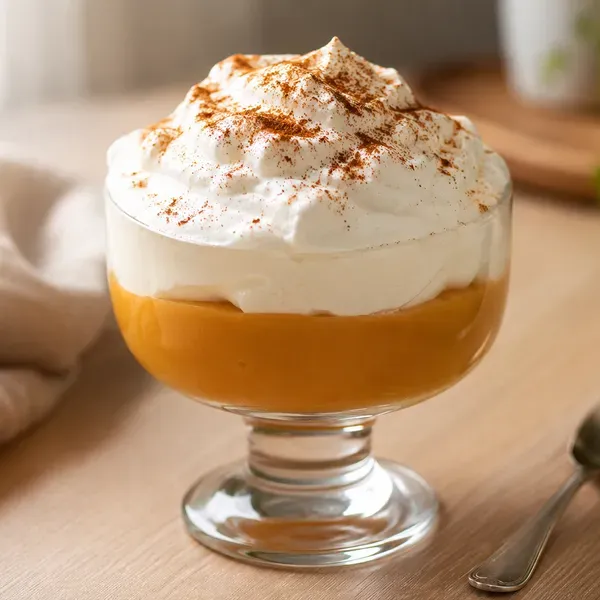
How to make suspiro a la limeña: the slow manjar blanco base, the port-wine meringue, and the poet's story behind Lima's most romantic dessert.
What is the most typical Peruvian dessert? Mazamorra morada, by a distance — a purple corn pudding eaten year-round and served beside arroz con leche in the same glass, a pairing so fixed it has its own name. Picarones and suspiro a la limena are the other two most people would name.
Why are so many Peruvian desserts yellow? Egg yolks. Spanish convents brought a technique built on yolks and slow reduction, and it took hold on the coast. Suspiro a la limena, bienmesabe and natillas all come out of that line, which is why they are rich, dense and unmistakably golden.
Do I need special ingredients? For some, yes, and there is no honest way around it. Purple corn, chancaca and lucuma have no real substitutes. Others need nothing unusual: crema volteada, arroz con leche and alfajores can be made anywhere with what a normal supermarket carries.
What does empalagoso mean, and why does it keep coming up? Sweet past the point of pleasure — the sweetness that makes you put the spoon down. It is the main thing a Peruvian dessert is judged against, and it explains why so many of these recipes cut the sugar with lime, salt or an unsweetened cream.
Every recipe below was cooked and photographed in our own kitchen in Junín. Where a dessert needs an ingredient that is hard to find abroad — purple corn, chancaca, manjar blanco — the recipe says what actually works as a substitute and what does not.
Peruvian soups · Peruvian drinks · Peruvian appetizers · Peruvian main dishes