
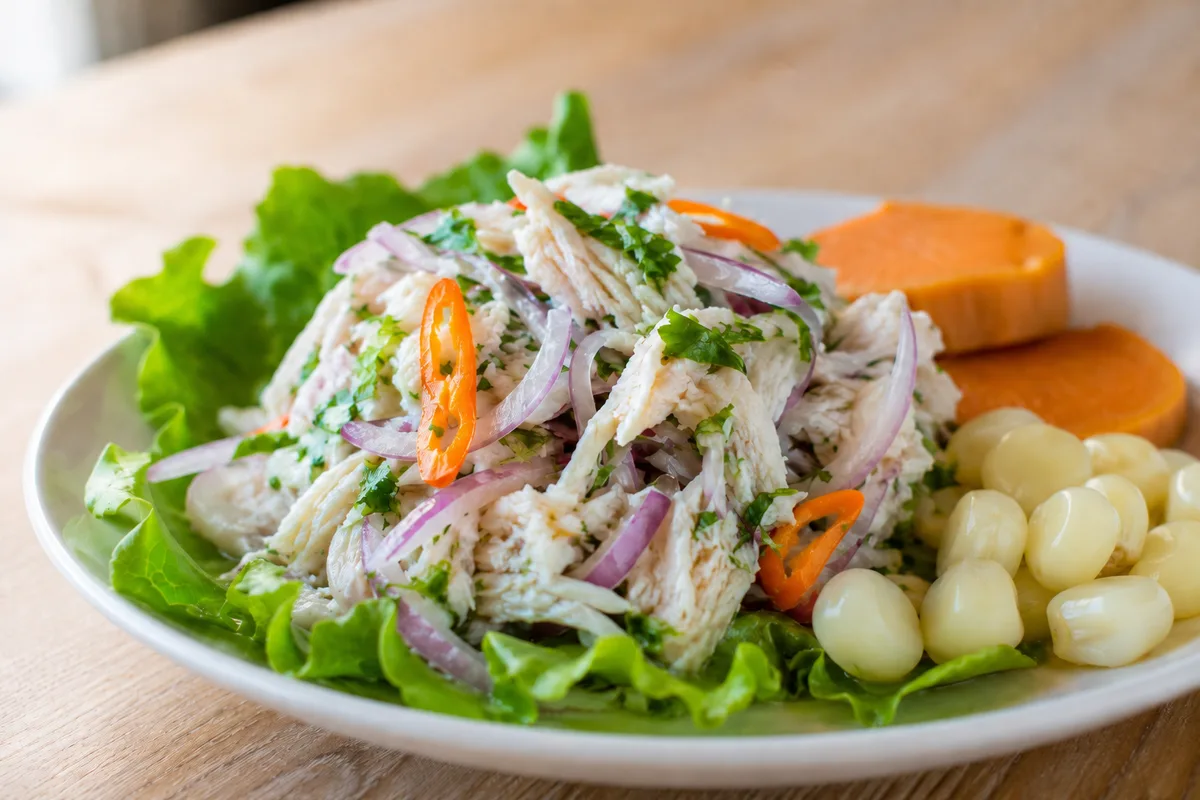
Chinguirito starts from an unusual place for a ceviche: not fresh fish, but dried and salted guitarra — guitarfish — shredded into fine threads and rehydrated before it ever meets the lime juice. It is a norteño specialty, from Lambayeque, built on the same basic logic as ceviche — raw or preserved fish, "cooked" by acid rather than heat — but starting from a completely different preservation technique that changes the texture into something finer and more thread-like.
The dried-fish tradition it comes from predates refrigeration by a wide margin, a preservation method that let coastal communities keep fish edible for months, and chinguirito is essentially that preserved fish returned to a fresh, bright dish rather than eaten plain.
Dried fish made immediate sense to me, which surprised the people I was eating with. In the mountains we dry things too — charqui hung in the cold, potatoes left out to freeze and thaw until they keep for years. Chinguirito is the coast solving the same problem with what the coast had. Different animal, same instinct: get it through the season when there is nothing.
Rehydrate first, or the salt overwhelms everything
Dried, salted fish is intensely concentrated, and skipping the soak leaves the finished ceviche far too salty to eat comfortably — a proper 15 to 20 minute soak in cold water, followed by squeezing out the excess liquid, brings it back to a workable saltiness that the lime juice and onion can balance rather than fight against.
The fish is already "cooked" in the sense that matters here — dried and salted. The soak isn't reviving it, it's taming it.
Fresh lime, squeezed right before serving
As with any ceviche-style dish, the lime juice needs to be genuinely fresh, not bottled, and the dish is at its best served within an hour of mixing, before the acid has too much time to work on the shredded fish and turn it mushy. This isn't a make-ahead dish.
Finding the dried fish outside Peru
Dried guitarfish is not something you will find abroad, and there is no point pretending otherwise. What you are looking for is the category rather than the species: salted, air-dried white fish, sold in stiff slabs, that shreds into threads once soaked.
The easiest substitute is salt cod — bacalao — sold at Spanish, Portuguese, Italian and Latin American groceries. It is drier and saltier than Peruvian guitarra, so give it a longer soak, two to three hours with a change of water, and taste before you dress it. Dried stockfish from West African or Caribbean shops works the same way.
What does not work is fresh fish. Chinguirito is not a ceviche that happens to use dried fish; the threading texture is the dish, and fresh fish cannot be made to do it.
How salty is too salty, and how to pull it back
This is the only real difficulty in the dish, and it cannot be judged from a recipe because no two batches of dried fish are salted the same. You have to taste your way there.
- Start with two hours, changing the water twice. Then tear off a thread and taste it. It should be pleasantly salty, like a good ham — not aggressive, not bland.
- Still harsh? Keep going, an hour at a time. Very heavily salted guitarfish can need a full night in the fridge with three or four changes of water.
- Gone too far? There is no undoing it, but you can rebalance the plate: less lime, more onion, and salt the salsa itself rather than the fish.
Squeeze the fish out properly before it meets the lime. Water still trapped in the strands dilutes everything you add afterward, and a watery chinguirito tastes of nothing much.
The recipe
Ingredients
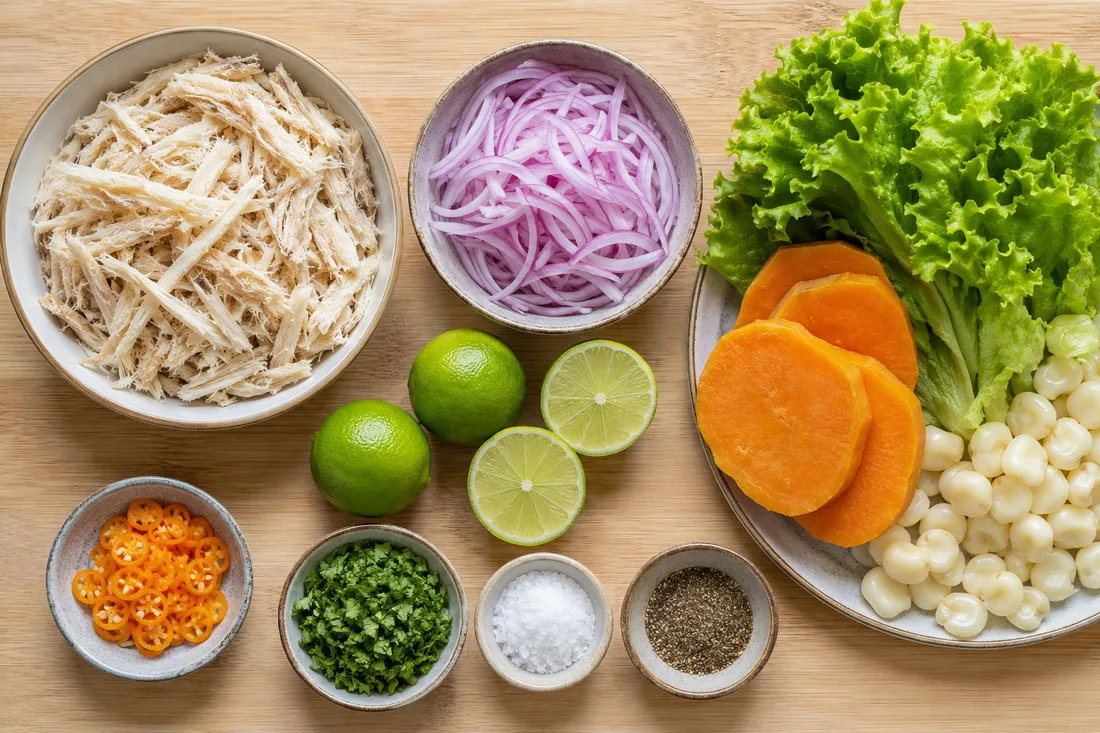
- 300g dried, salted shredded fish (guitarfish or similar)
- 1 red onion, thinly sliced
- Juice of 10-12 limes
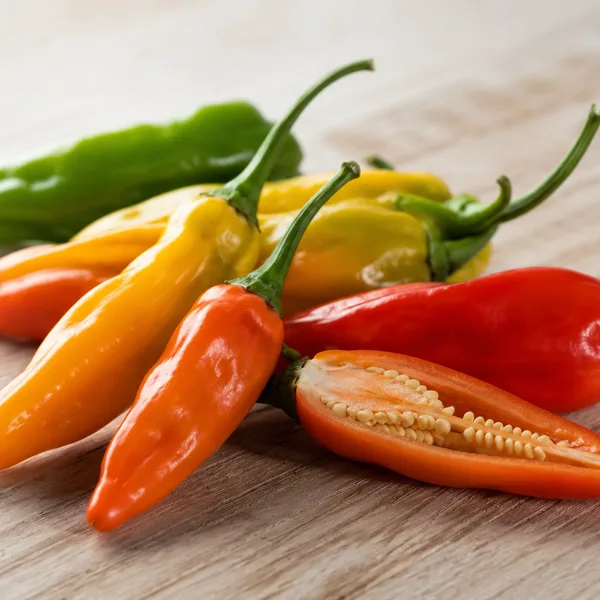
- 1-2 ají limo, thinly sliced (to taste)
- 1/4 cup chopped cilantro
- Salt · pepper
- Lettuce leaves, boiled sweet potato and choclo, to serve
Method
- Rehydrate the dried fish in cold water 15-20 minutes. Drain and squeeze out excess water.
- Combine with onion, ají limo, cilantro, salt and pepper.
- Add lime juice and toss well.
- Rest 10 minutes, then serve on lettuce with sweet potato and choclo.
Troubleshooting, from experience
Too salty. Not soaked long enough. Extend the soak and taste before adding more salt.
Fish texture too mushy. It sat too long in the lime juice. Serve within an hour of mixing.
Can't find dried guitarfish. Any dried, salted white fish works as a reasonable substitute — the technique matters more than the exact species.
What to serve it with
Boiled sweet potato and choclo are the traditional accompaniments, the same pairing that shows up alongside classic ceviche.
Questions people ask
What fish is it actually made from? Dried guitarfish, sold in northern Peru as guitarra. It is a ray relative with firm flesh that shreds into threads rather than flakes, which is why the dish has its particular texture. Outside Peru, salt cod is the realistic substitute.
Can I really use bacalao instead? Yes, and it is what most people outside Peru will end up doing. Salt cod is drier and flakes more than it shreds, so pull it into strands by hand rather than chopping. Soak it the same way and expect a slightly softer plate.
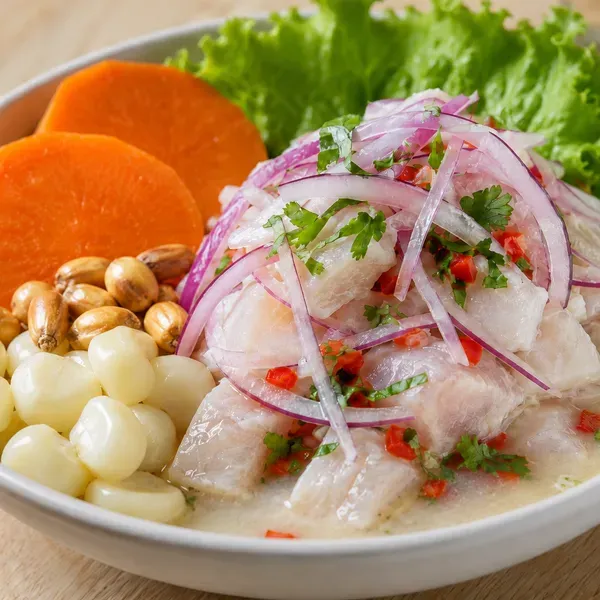
Is chinguirito a ceviche? It belongs to the family and it breaks the family rule, because the fish was never raw and the lime is not cooking anything. What it shares is the finish: lime, red onion, ají, and the same sharpness. Lambayeque treats it as its own thing, not as a ceviche variant.
Why is it a hangover food? Salt, acid and cold, which is the combination people reach for everywhere. On the north coast it is sold in the morning at markets, and it has the same reputation there that leche de tigre has in Lima. Nobody claims it is medicine; everybody eats it anyway.

Junior Quintana learned to cook from his mother, Lina, in Junín, in the central Peruvian Andes — a kitchen where chicha morada simmered every Sunday y there were always native potatoes with cheese and choclo on the table. He started Andean Kitchen to share the food he grew up with, in English and without shortcuts: every recipe cooked and tested at home, where it's really made. His favorite dish is, and probably always will be, pachamanca. See how we cook, test and photograph.
Did you cook this?
Tell me how it went — including what did not work. I read every one, and with your permission I will put it on this page, with your first name, for whoever comes next.