
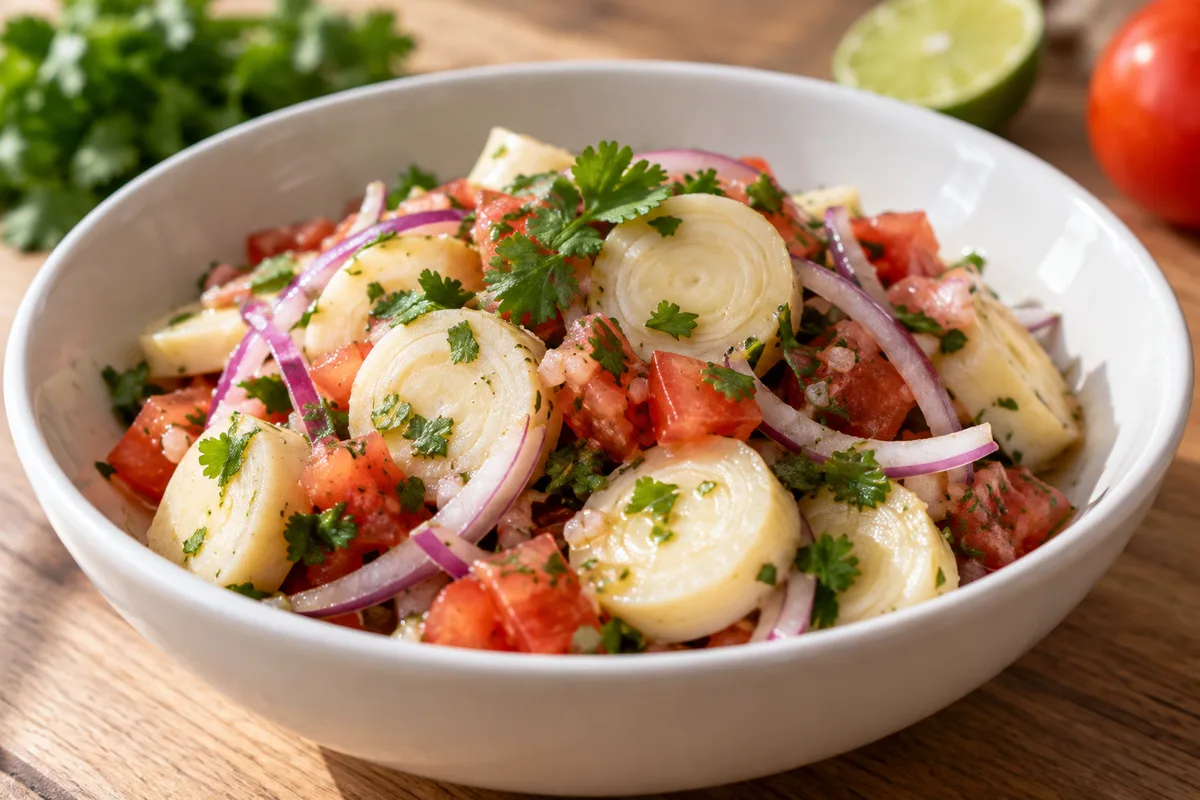
Chonta — palm heart — comes from the inner core of certain Amazonian palm trees, harvested in a way that means taking it kills the tree, which is part of why it's treated with a certain respect in jungle kitchens rather than used carelessly. Ensalada de chonta keeps things simple: the pale, crisp heart sliced thin and tossed with tomato, onion and lime, letting its mild, faintly nutty flavor and genuinely unique crunch stay the focus.
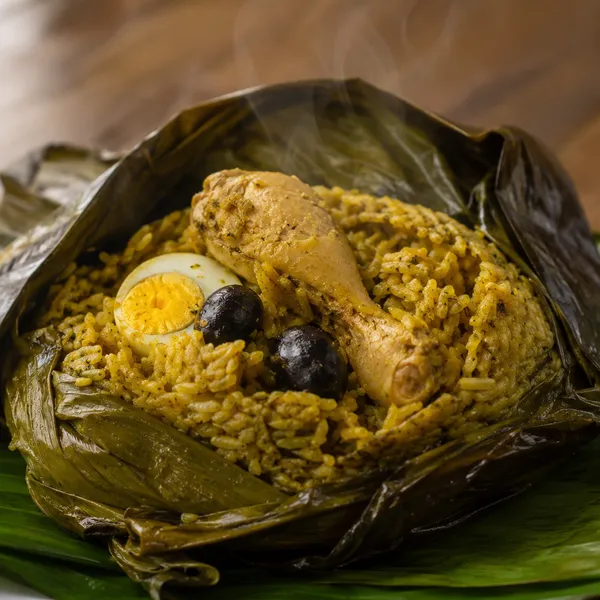
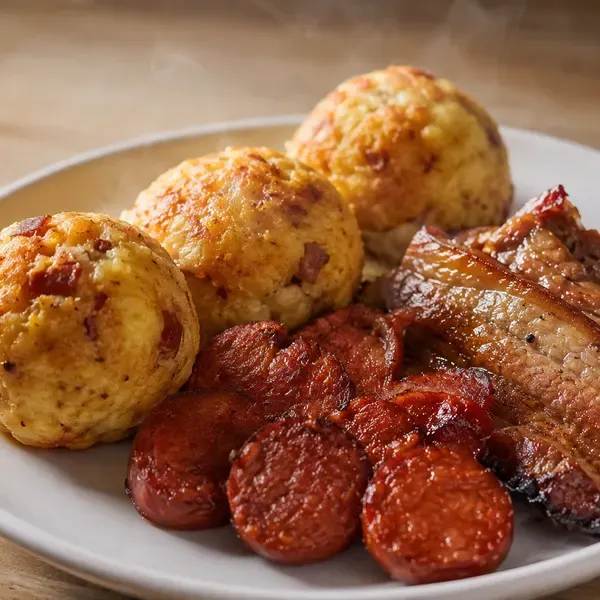
It's one of the few genuinely refreshing, salad-style dishes to come out of Amazonian cooking, which otherwise leans heavily on grilling, wrapping and simmering — a cool, acidic counterpoint to heavier dishes like juane or tacacho con cecina.
I had it for the first time at a recreo — one of those open-air country restaurants scattered along the jungle roads, where you eat at a long table under a roof and lunch takes the whole afternoon. I liked it enough that I wanted to make it at home, and that turned out to be the difficult part: finding somebody who actually sold chonta took me a while, even here. If it is work for me, in this country, I know it is work for you. That is why half of this page is about the jarred kind.
Fresh chonta needs a rinse; jarred needs a good drain
Fresh palm heart, if you can source it, benefits from a quick rinse to remove any bitterness on the surface. Jarred palm heart, the more accessible option outside the Amazon, is packed in a brine that needs a thorough drain and light rinse before it goes into the salad, or the dressing ends up too salty.
This salad has almost nothing to hide behind. The palm heart itself needs to actually taste good.
What chonta actually is, and why it costs what it costs
Palm heart is the growing core of a palm, the pale cylinder at the very centre of the trunk from which new leaves push out. In the Peruvian Amazon it usually comes from the pijuayo palm, and the name chonta covers both the palm and the part you eat. It is crisp, faintly sweet, and tastes a little like an artichoke heart crossed with a very young asparagus — but milder than either, which is exactly why the tomato, onion and lime around it matter so much.
Here is the part most recipes skip: with wild palms, taking the heart kills the tree. That is the whole reason a jar of palm heart costs what it does, and why a dish made of three cheap vegetables and one expensive one exists in a region where almost nothing is expensive. Cultivated pijuayo has changed this — it grows in clumps and sends up new shoots, so a single plant can be harvested repeatedly without dying — and most of what you buy today, fresh or jarred, comes from farms rather than from the forest. If the label says cultivated or farmed, that is the one to buy.
Slice thin, dress right before serving
Thin slices let the palm heart's crisp texture come through in every bite rather than sitting as a large, unwieldy chunk, and as with any salad built on raw onion and citrus, dressing it too far ahead lets everything go soft and watery. Toss it together close to serving time.
The recipe
Ingredients
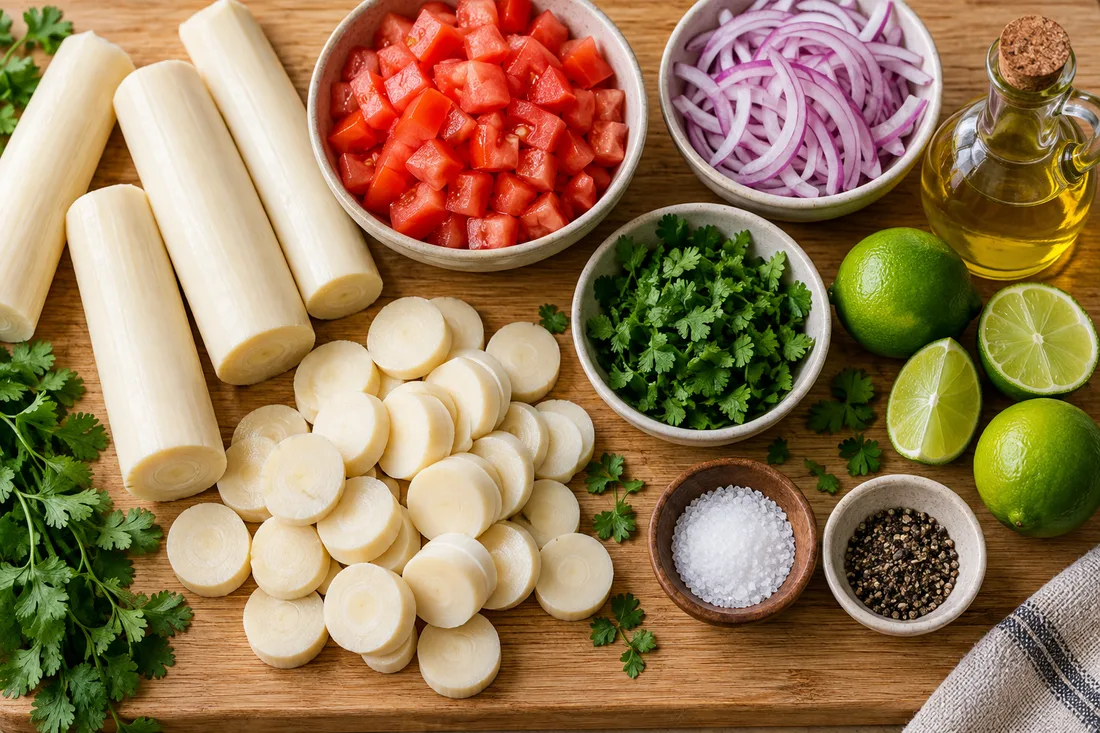
- 500g fresh or jarred palm heart (chonta), thinly sliced
- 2 tomatoes, diced
- 1/2 red onion, thinly sliced
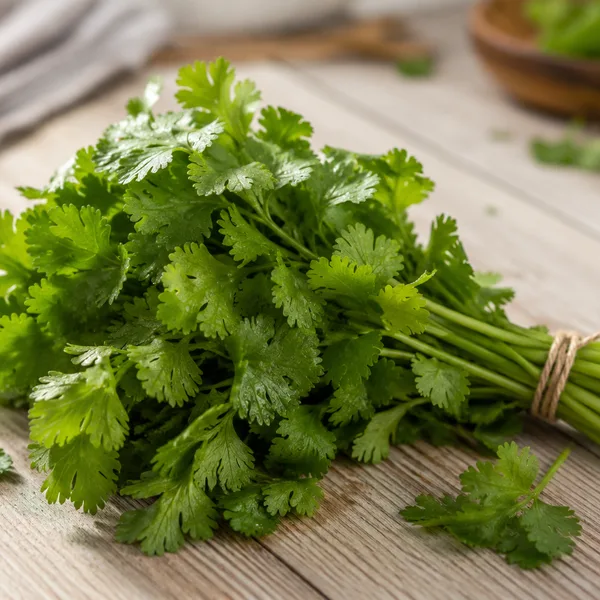
- 1/4 cup chopped cilantro
- Juice of 2 limes
- 2 tbsp olive oil
- Salt · pepper
Method
- Prepare the palm heart. Slice thin; rinse if fresh, drain and rinse if jarred.
- Combine with tomato, onion and cilantro.
- Whisk the dressing from lime juice, olive oil, salt and pepper.
- Toss and serve immediately.
Troubleshooting, from experience
Salad tastes too salty. Jarred palm heart wasn't drained and rinsed thoroughly enough. Give it a proper rinse first.
Palm heart tastes bitter. Fresh chonta wasn't rinsed. A quick rinse helps remove any surface bitterness.
Salad turned watery. Dressed too far ahead. Toss it together right before serving.
What to serve it with
Ensalada de chonta works well alongside anything grilled or smoked, cutting through the richness with something cool and acidic — it is the natural companion to cecina, and it is what you want next to a juane when the rice and the chicken start feeling heavy.
Questions people ask
Is jarred palm heart good enough? For this salad, yes. Fresh is better — firmer, sweeter, with more of that faint nuttiness — but outside the Amazon fresh chonta is close to impossible to find, and a good jar makes a salad worth eating. Drain it properly, rinse it, and let it sit on a paper towel for a few minutes; brine is the enemy here, not the jar.
Can I use canned hearts of palm from the supermarket? That is the same thing under a different name. Hearts of palm, palmito and chonta are all the same ingredient; most supermarket cans come from Costa Rica, Brazil or Ecuador rather than Peru, and they work fine. The thicker whole stems hold their shape better than the pre-sliced ones, which tend to be softer.
How long does it keep once dressed? It does not, and that is the point. Within an hour the onion softens, the tomato starts weeping and the lime turns everything limp. Cut and chill the vegetables ahead if you need to, but dress it at the table.
What can I use instead of culantro? Regular cilantro, and nobody will stop you. It is milder, so use a little more of it. If you have access to actual culantro — the long, serrated Amazonian leaf — use less than you think, because it is considerably stronger than it looks.

Junior Quintana learned to cook from his mother, Lina, in Junín, in the central Peruvian Andes — a kitchen where chicha morada simmered every Sunday and there were always native potatoes with cheese and choclo on the table. He started Andean Kitchen to share the food he grew up with, in English and without shortcuts: every recipe cooked and tested at home, where it's really made. His favorite dish is, and probably always will be, pachamanca. See how we cook, test and photograph.
Did you cook this?
Tell me how it went — including what did not work. I read every one, and with your permission I will put it on this page, with your first name, for whoever comes next.