
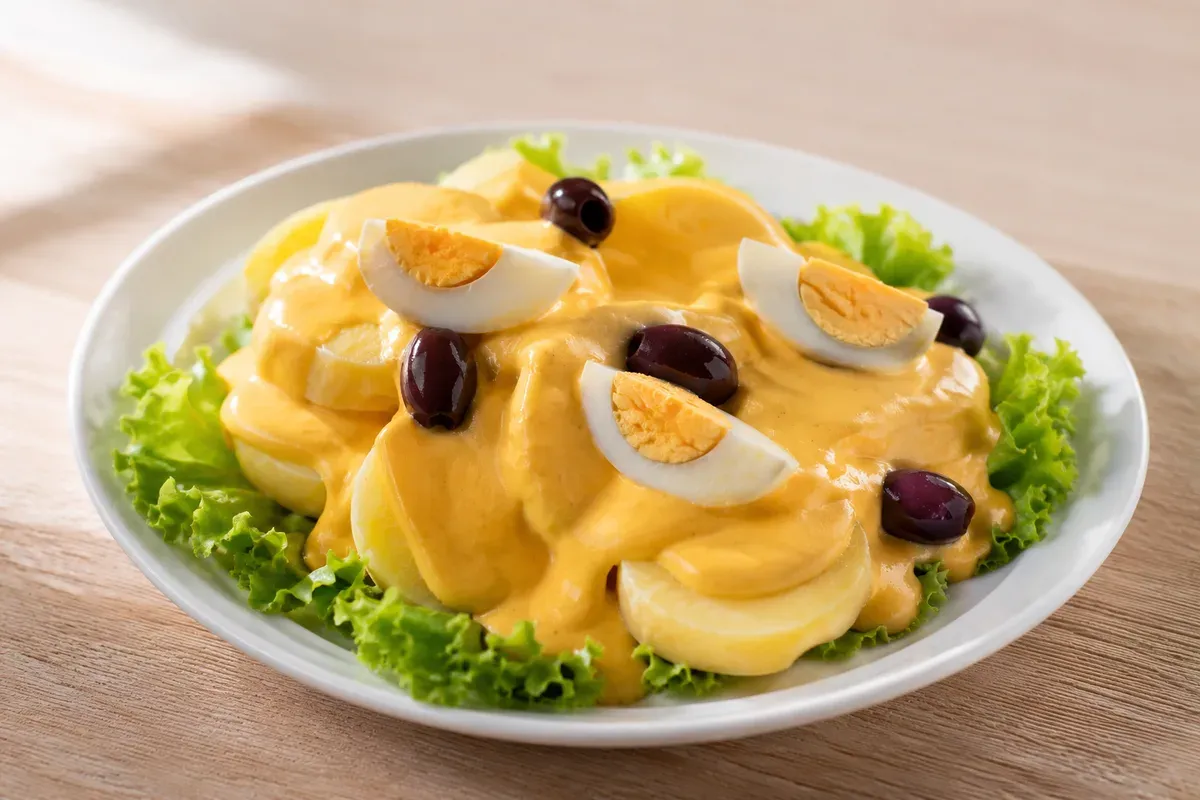
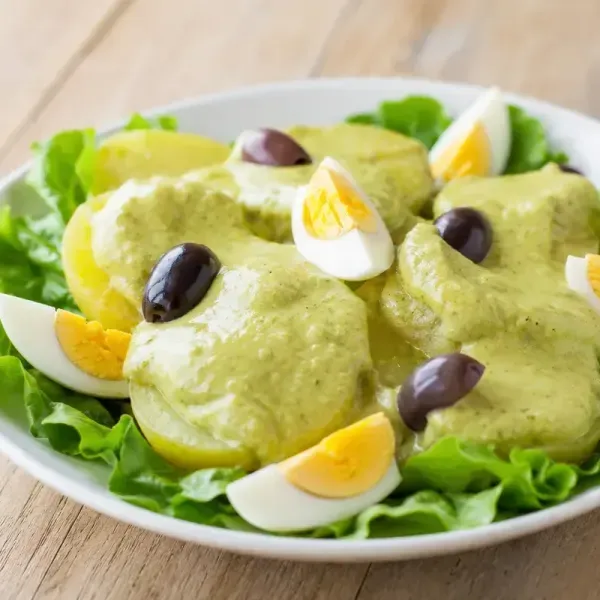
We need to start with a disclosure: this dish is named after our home. Huancaína means "woman from Huancayo," the capital of Junín — the highland region this site is written from. The most repeated origin story dates to the railway construction of the late 1800s, when local women sold boiled potatoes bathed in a cheese-and-ají sauce to the workers cutting the line through the Andes. Whether every detail of that story is true is debated; what's not debated is the result. Papa a la huancaína became the starter of all of Peru: present at every Sunday lunch, every menú del día, every family gathering, from Tumbes to Tacna.
It is also deceptively simple — four components on the plate, five ingredients in the sauce — which means there's nowhere to hide: a misstep shows immediately. The difference between transcendent and forgettable huancaína comes down to three decisions: the potato, the cheese, and how you handle the ají. We'll take them in order.
Growing up here, papa a la huancaína was never a restaurant dish — it was the plate that opened every celebration, the first thing set on the table at a baptism, a birthday, a Sunday. In our house the sauce gets argued over like a family heirloom: how much ají, whose queso fresco is best (we buy ours from the same casera — our trusted market seller — never the supermarket kind), whether the crackers belong at all. Carrying the name of our region is a quiet point of pride up here; when an outsider praises a good huancaína, a little of that praise belongs to Huancayo.
The potato is half the dish
In Peru this is made with papa amarilla — yellow potato — a floury, golden-fleshed variety that tastes faintly of butter on its own. It's boiled in its skin, peeled warm, and served in thick slices at room temperature, never refrigerated (cold deadens both the potato's texture and the sauce's flavor). Outside Peru, Yukon Gold is the universally accepted stand-in; in a pinch, any waxy-to-medium boiling potato beats a baking russet, which crumbles under the sauce.
The sauce: ratios, not mysteries
Huancaína sauce is a blended emulsion of ají amarillo, fresh white cheese, evaporated milk and — the quiet thickener — a few soda crackers. The working ratio in most Peruvian homes is roughly one chile per 60 grams of cheese, with milk added until the blender moves freely and the sauce ribbons off a spoon.
Three points where recipes abroad go wrong:
- The cheese. It must be queso fresco — moist, mild, salty fresh cheese. Feta is too aggressive (if it's all you have, soak it in milk for 20 minutes first); cream cheese makes the sauce gluey and sweet. Latin groceries everywhere stock queso fresco.
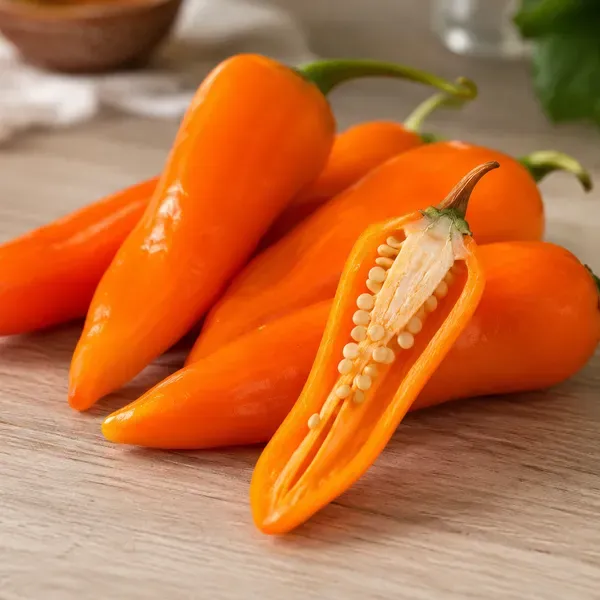
- The ají, briefly cooked. Blending raw ají gives the sauce a sharp, vegetal edge. Two minutes in a little oil — just until fragrant — rounds it into the warm, fruity flavor the sauce is famous for. (Using jarred paste? It's already cooked; add it straight to the blender.)
- The crackers, not flour. Galletas de soda are the traditional body-builder. Some families use a slice of bread; nobody uses flour or cornstarch, which turn the sauce pasty. The crackers also buffer the salt, so season at the very end.
The sauce should fall off the spoon in a slow ribbon — pourable pride, not spreadable paste.
Huancaína vs. ocopa: settling the cousin question
Visitors constantly confuse huancaína with ocopa, Arequipa's green sauce. The skeleton is similar — chile, cheese, milk, cracker — but ocopa builds on huacatay (black mint) and toasted peanuts, giving it an herbal, nutty depth and its olive-green color. Both are spectacular; they are not interchangeable. When we publish our ocopa recipe, the two articles will argue with each other properly.
The recipe
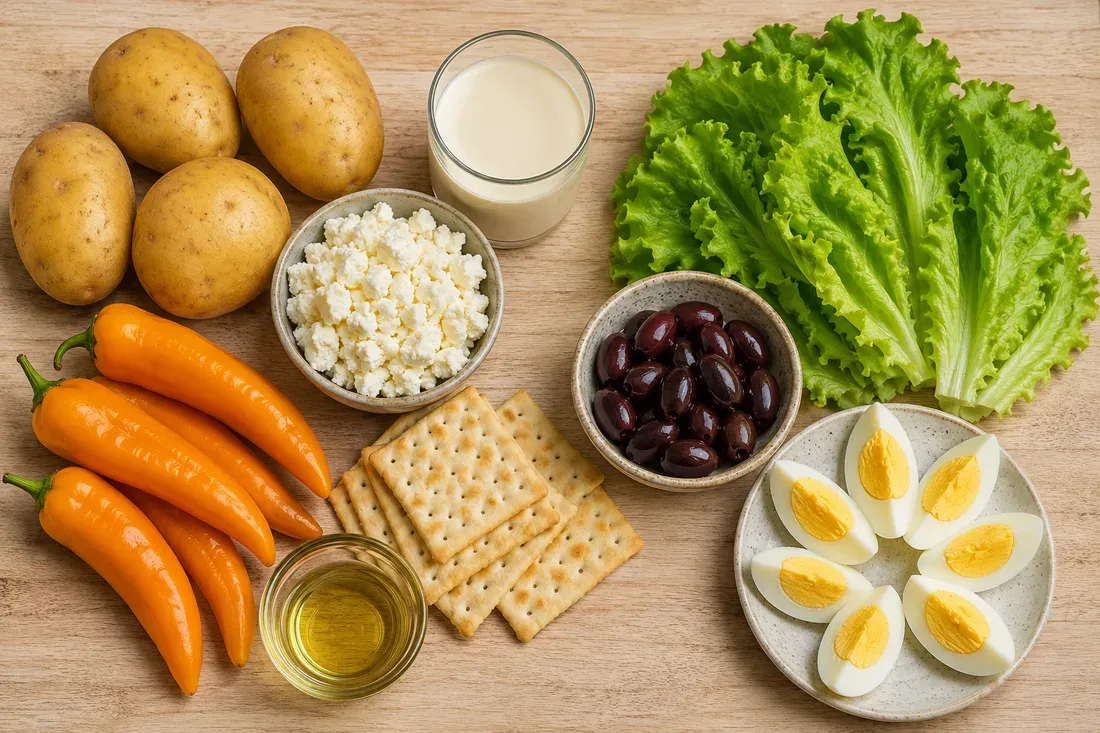
Ingredients
- 1 kg yellow potatoes (papa amarilla or Yukon Gold), similar size
- 4 fresh ají amarillo, seeded and deveined — or 4 tbsp ají amarillo paste
- 250 g queso fresco, crumbled
- 180 ml (¾ cup) evaporated milk, plus more to adjust
- 4 soda crackers
- 2 tbsp vegetable oil
- Salt — at the end, tasting first
- To plate: crisp lettuce leaves, 3 hard-boiled eggs in quarters, black olives (botija if you can find them)
Method
- Boil the potatoes in their skins, in salted water, until a knife slides in without resistance — 20–25 minutes. Peel while warm. Do not refrigerate.
- Tame the ají. Warm the oil in a small pan and sauté the cleaned chiles 2–3 minutes, until fragrant and slightly softened. Cool a minute.
- Blend. Ají (with its oil), cheese, milk and crackers, until absolutely smooth — a full minute on high. The sauce should ribbon off a spoon; thin with milk a tablespoon at a time if needed. Taste, then salt.
- Plate at room temperature. Lettuce down, thick potato slices over, sauce poured generously until the slices are almost covered. Egg quarters and olives on top. Serve within the hour for the sauce at its silkiest — and then, mikushun: as we say in the Quechua of Junín, let's eat.
Troubleshooting, from experience
The sauce split or looks grainy. The cheese was too cold or the blending too short. Re-blend with a splash of warm evaporated milk; it almost always comes back together.
Too spicy. The veins weren't fully removed, or your chiles ran hot. Stretch the sauce with more cheese and milk rather than crackers, which would dull it.
It thickened to a paste in the fridge. Normal — the crackers keep absorbing. Loosen with milk and re-blend briefly. Better: make the sauce the day you serve it.
What to serve it with
As the opener of a Sunday lunch it traditionally precedes something substantial — lomo saltado or arroz con pollo — with chicha morada in the pitcher. And the sauce outlives the dish: leftover huancaína over pasta is a beloved Peruvian weeknight move (tallarines a la huancaína), and it's the standard partner for fried yuca. Make extra. You'll use it.

Junior Quintana learned to cook from his mother, Lina, in Junín, in the central Peruvian Andes — a kitchen where chicha morada simmered every Sunday and there were always native potatoes with cheese and choclo on the table. He started Andean Kitchen to share the food he grew up with, in English and without shortcuts: every recipe cooked and tested at home, where it's really made. His favorite dish is, and probably always will be, pachamanca. See how we cook, test and photograph.
Did you cook this?
Tell me how it went — including what did not work. I read every one, and with your permission I will put it on this page, with your first name, for whoever comes next.