
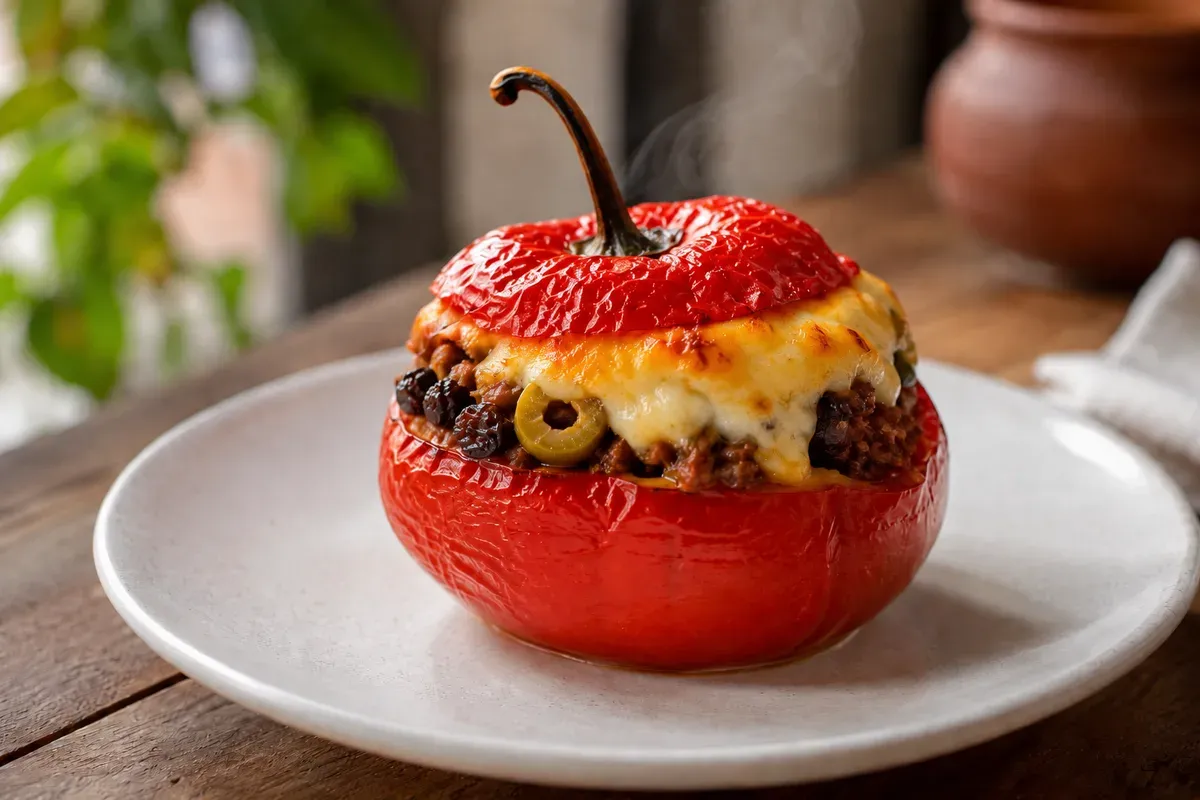
The rocoto — rukutu in Quechua, and still called that in the highlands — looks like a friendly red bell pepper and is in fact one of Peru's hottest chiles: a different species from the ají family, fierce enough that Arequipa's most famous dish begins with a disarmament protocol. Rocoto relleno is that pepper, tamed by a triple blanch in sweetened vinegar water, then stuffed with a baroque filling of spiced beef, raisins, olives and egg, capped with cheese and baked in a milk custard. Sweet against hot, rich against fierce: it's the picantería's thesis statement, and one of the dishes that makes Arequipa's food scene its own country within a country.
An honesty clause before the recipe: rocotos abroad are a specialty find (frozen, at Peruvian markets, sometimes fresh where Bolivian or Ecuadorian communities shop — they're called locoto there). The accepted home substitute is a red bell pepper with a spoonful of rocoto paste stirred into the filling — the architecture survives, the danger becomes optional. We label which steps belong to which pepper.
The first rocoto relleno I ever ate left me sweating before dessert even arrived, and I remember thinking the beef and raisins were doing everything they could against that pepper and mostly losing. Rocoto shows up in our own market too, without Arequipa's reputation attached to it, but sharp enough that my mother still keeps it on a separate corner of the stall from the milder ajíes — no mixing allowed, not even by accident.
The triple boil: diplomacy by water
Rocoto heat is water-soluble enough to negotiate: seeded and deveined (gloves — this is not a suggestion), the peppers are boiled three times, three minutes each, in fresh water with a splash of vinegar and a spoon of sugar each round. Each bath carries heat away; what remains is the rocoto's fruity flavor with embers instead of flames. Bell-pepper users skip to a single 3-minute blanch for pliability and proceed smug.
Arequipa doesn't remove the rocoto's fire. It negotiates the fire down to terms a dinner can sign.
How hot it actually ends up
Honest answer: warm, not punishing — if you do the three baths properly. Rocoto heat sits mostly in the seeds and the white veins, and it is water-soluble enough that three changes of hot sweetened vinegar water carry most of it away. What survives is the pepper itself, which is fruity in a way no bell pepper is, with embers underneath.
What decides the outcome is how thoroughly you devein. Leave the pale ribs in and no amount of boiling will save you. Take them out completely, and the dish lands where Arequipa intends it: hot enough to notice, mild enough to finish.
The cheese and the milk custard
Two dairy elements do different jobs. A slice of melting cheese caps each pepper — queso fresco is traditional, though it barely melts; a mild firm cheese such as Edam, Gouda or a young Manchego browns better and is what many Arequipa kitchens actually use now.
The custard the peppers bake in is milk and beaten egg, and it is not a sauce poured over at the end — the peppers sit in it and it sets around them, which is what turns a stuffed pepper into a baked dish. Use whole milk. Evaporated milk works and gives a richer set.
The recipe
Ingredients
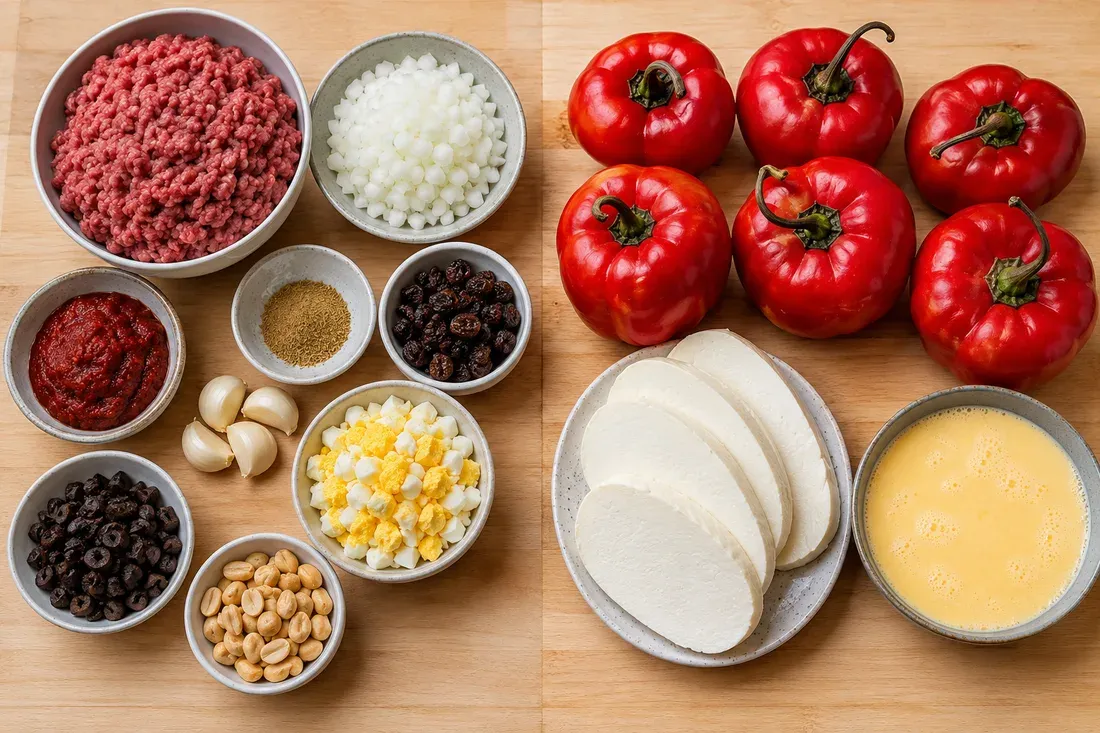
- 6 rocotos — or 6 red bell peppers + 1 tbsp rocoto paste for the filling
- For blanching: water, 2 tbsp vinegar, 1 tbsp sugar — three fresh changes
- 500 g ground beef
- 1 onion, diced · 3 garlic cloves · 2 tbsp ají panca paste · 1 tsp cumin
- ⅓ cup raisins · 10 black olives, chopped · 2 hard-boiled eggs, chopped · 50 g peanuts (optional, traditional)
- 150 g cheese in thick slices for the caps
- 1 cup evaporated milk beaten with 1 egg · salt · pepper · oil
Method
- Disarm. Tops off (save them as lids if you like), seeds and veins out completely, gloves on. Rocotos: three blanches, 3 minutes each, fresh sweet-vinegar water every time. Bells: one blanch.
- The filling. Aderezo of onion, garlic and panca; beef and cumin until cooked and crumbly; fold in raisins, olives, egg, peanuts (and the rocoto paste, bell-pepper faction). Season boldly — the pepper and custard dilute.
- Assemble. Stuff generously, cap with cheese, stand them in a baking dish like a small congress.
- The custard. Milk-egg mixture poured around (not over) them; into a 180 °C oven, 25–30 minutes, until the cheese is golden and the custard set at the edges.
Troubleshooting, from experience
Still too hot. A vein survived, or your rocotos were champions. Serve with extra custard and rice — dairy and starch are the fire department.
The peppers collapsed. Over-blanched. Three minutes means three; they should bend, not faint.
Watery filling. The beef wasn't cooked dry enough before the mix-ins. Crumbly first, baroque second.
What to serve it with
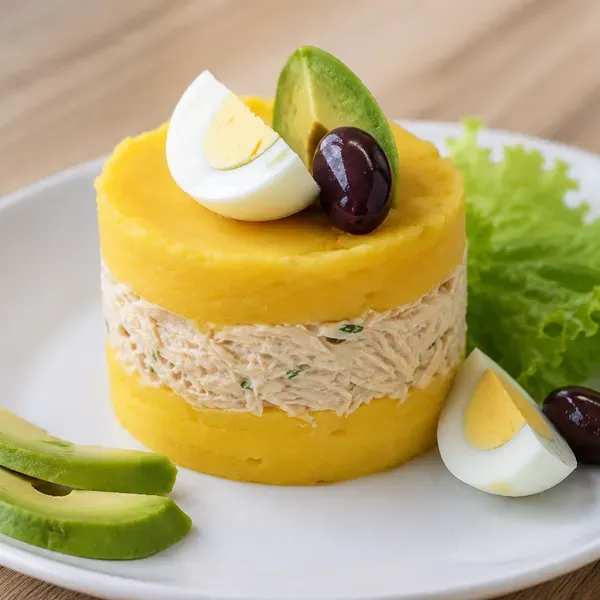
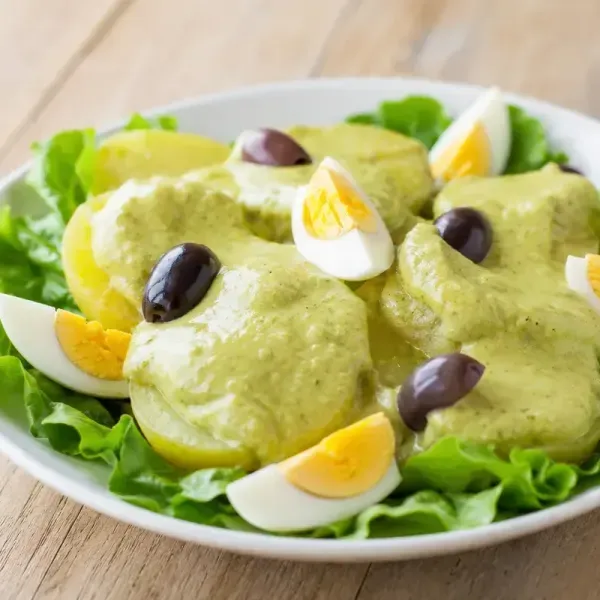
In Arequipa it arrives with pastel de papa — a sliced-potato and cheese gratin that shares the oven and the custard logic — and that pairing is worth recreating with simple scalloped potatoes. Otherwise: rice, a cold chicha morada for the brave, and causa limeña if the table wants something cool to balance the heat.
Questions people ask
Can I use bell peppers instead? Yes, and the dish survives. Blanch them once for three minutes just to soften, and stir a spoonful of rocoto paste into the filling so some of the pepper flavor is still there. What you lose is the fruity heat that makes the original what it is.
Where do I find rocotos outside Peru? Frozen at Peruvian markets, and sometimes fresh where Bolivian or Ecuadorian communities shop — there they are called locoto. Frozen is fine for this dish, since the peppers get boiled three times anyway.
Do I really need gloves? Yes. Rocoto is a different species from the ají family and it is genuinely hot, and the oils stay on your hands long after washing. The people who skip the gloves are the people who later touch an eye.
Why boil three times instead of once for longer? Because each change of water carries heat away with it. Boiling once in the same water just heats the capsaicin without removing much of it. Three short baths in fresh water each round is what does the work.

Junior Quintana learned to cook from his mother, Lina, in Junín, in the central Peruvian Andes — a kitchen where chicha morada simmered every Sunday and there were always native potatoes with cheese and choclo on the table. He started Andean Kitchen to share the food he grew up with, in English and without shortcuts: every recipe cooked and tested at home, where it's really made. His favorite dish is, and probably always will be, pachamanca. See how we cook, test and photograph.
Did you cook this?
Tell me how it went — including what did not work. I read every one, and with your permission I will put it on this page, with your first name, for whoever comes next.