
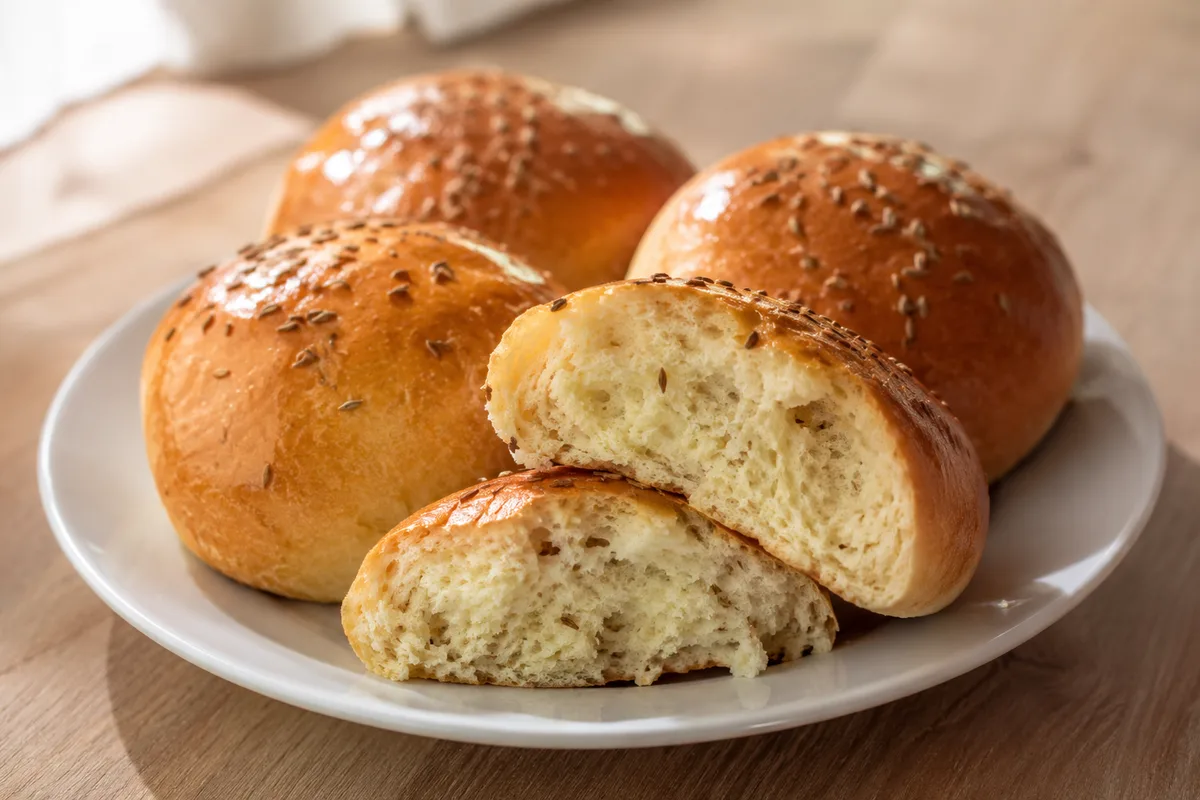
Anise shows up across Peruvian baking the way vanilla does elsewhere — in picarones, in turrón de Doña Pepa, and here in a straightforward, soft bread that carries its warm, faintly licorice fragrance through every bite. Pan de anís is a staple at Andean bakeries, sold plain or shaped into rounds and braids, a step up from the plain pan francés of every breakfast table in richness, thanks to the egg and butter worked into the dough.
It's the kind of bread that fills a bakery with its scent well before it's ready to sell, and it pairs naturally with the same hot drinks and cheese that round out a Peruvian breakfast table.
A few people in Junín do bake it at home, but not many — you need an oven to begin with, and it is a lot of work for bread you can buy three streets away. So you buy it, every day, because that is the point: it is fresher that way, and from the corner you can already tell whether they have just pulled a batch out. My mother would send me for six, and more than once I came back with five — the sixth was still hot enough to burn my fingers, and I ate it on the way.
Anise seed, not star anise
These two get confused constantly outside Peru, and they are not interchangeable. Anise seed is the small, oval, pale brown seed sold loose in the spice aisle, and it goes into this dough whole. Star anise is a hard, woody, star-shaped pod from a completely different plant — much stronger, closer to medicinal, and at home in a braise or a syrup rather than in bread. A tablespoon of anise seed perfumes twelve rolls. A tablespoon of ground star anise would ruin them.
Buy the seeds whole rather than ground. Ground anise loses its aroma within weeks, and you also lose the small dark flecks running through the crumb that tell you at a glance what bread this is. If the only thing on the shelf says aniseed, check that it is loose seed and not a powdered blend with other spices in it.
Toast the anise seeds before they go in
A brief, dry toast in a pan wakes up anise seed's essential oils and deepens its aroma noticeably compared to using it straight from the jar — just a minute or two over medium heat, stirring constantly until fragrant, is enough.
Untoasted anise seed tastes flat by comparison. The toasting step takes two minutes and changes the whole loaf.
Give the dough its full two rises
As with any enriched, yeasted bread, rushing either rise — the bulk rise or the final proof after shaping — produces a denser, tighter crumb than this bread is meant to have. Give it real time in a warm spot both times, even if it takes longer than the recipe suggests on a cool day.
Rounds, braids, and what goes on top
The same dough leaves a bakery in more than one shape, and none of them change the recipe. Plain rounds are the everyday version and the easiest to get right at home, because a smooth ball proofs evenly and bakes evenly. Braids are the Sunday shape — three ropes of dough loosely plaited, which look like far more work than they are. Some bakeries scatter sesame over the egg wash; others leave the top bare so the anise inside is the only flavor in the room.
Whatever shape you go with, keep the pieces the same size. Twelve rolls that weigh roughly the same come out of the oven together. A tray with one big roll and one small one gives you a pale one and a dark one, and you will be standing at the oven door trying to decide which problem to accept.
The recipe
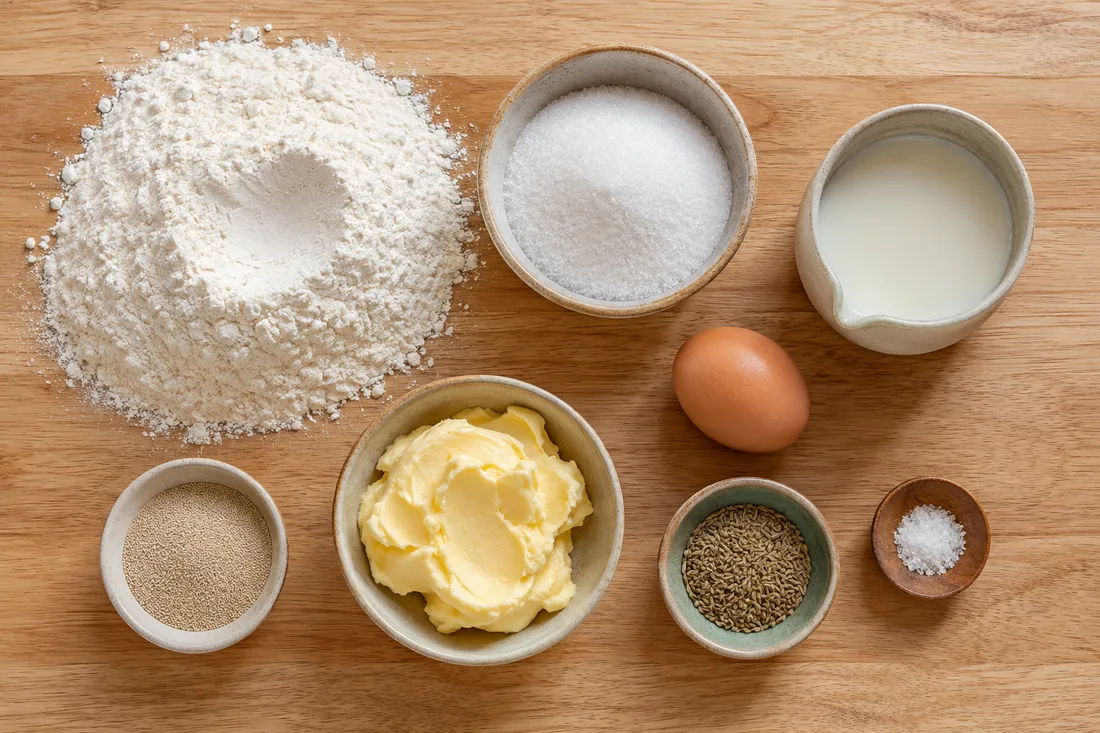
Ingredients
- 4 cups flour
- 1/3 cup sugar
- 2 1/4 tsp active dry yeast
- 1 cup warm milk
- 1 egg
- 1/4 cup butter, softened
- 1 tbsp anise seeds, lightly toasted
- 1 tsp salt
- 1 egg, beaten, for brushing
Method
- Activate the yeast in warm milk with a spoonful of sugar. Let sit 10 minutes.
- Knead the dough from flour, sugar, salt, anise, yeast mixture, egg and butter, about 10 minutes.
- First rise until doubled, 1 to 1.5 hours.
- Shape into 12 rounds, rising again 30 minutes.
- Brush and bake at 190°C (375°F) for 18-20 minutes until golden.
Troubleshooting, from experience
Bread came out dense. One of the rises was cut short. Give the dough the full time.
Anise flavor barely noticeable. The seeds weren't toasted first. Take the extra two minutes to toast them.
Crust too pale. Not brushed with egg, or baked at too low a temperature. Egg wash and a properly preheated oven give it real color.
What to serve it with
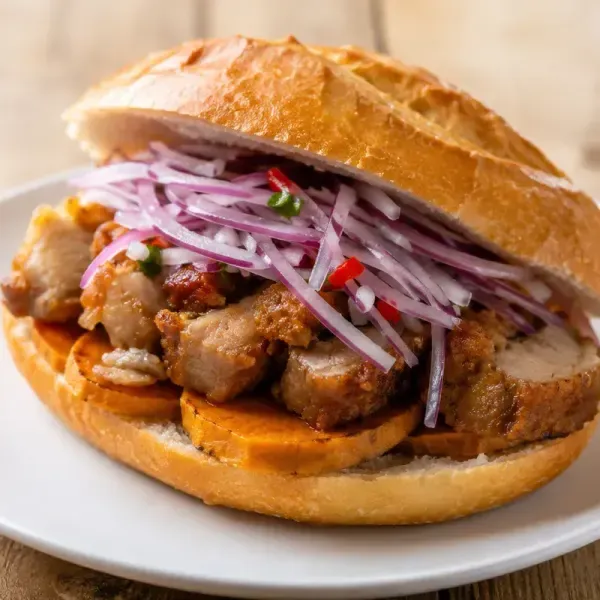
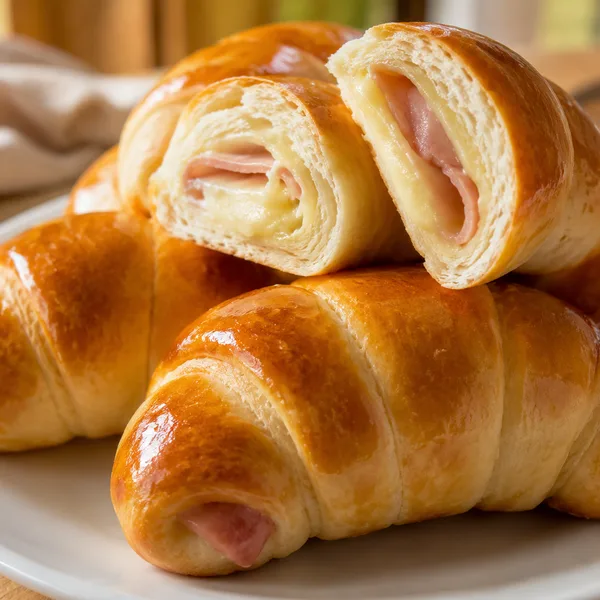
Butter, a slice of queso fresco, and coffee or emoliente — the standard Peruvian breakfast pairing. If you want the full table it belongs to, it sits alongside pan con chicharrón and cachitos on any bakery counter worth the walk.
Questions people ask
Is pan de anís sweet? Barely. A third of a cup of sugar across twelve rolls is enough to soften the crumb and round out the anise, and nowhere near enough to make a pastry. It sits closer to brioche than to cake, which is why it takes butter, cheese or jam without any of them fighting it.
Can I use instant yeast instead of active dry? Yes, in the same amount, and you can skip the foaming step and mix it straight into the flour. The dough may rise a little faster, so watch the bowl rather than the clock.
Why did my crumb come out dense? Almost always a rushed second rise. After shaping, the rolls should look visibly puffed before they go in — if one still feels tight when you press it, give the tray another fifteen minutes. A cold kitchen needs longer than the recipe says, and there is no way around that except waiting.
How long does it keep? Two days in a bag at room temperature, with the anise still there on the second. After that it becomes toast bread, which is not a bad fate. It also freezes well: cool the rolls completely, freeze them in a bag, and warm them straight from frozen in a low oven.

Junior Quintana learned to cook from his mother, Lina, in Junín, in the central Peruvian Andes — a kitchen where chicha morada simmered every Sunday and there were always native potatoes with cheese and choclo on the table. He started Andean Kitchen to share the food he grew up with, in English and without shortcuts: every recipe cooked and tested at home, where it's really made. His favorite dish is, and probably always will be, pachamanca. See how we cook, test and photograph.
Did you cook this?
Tell me how it went — including what did not work. I read every one, and with your permission I will put it on this page, with your first name, for whoever comes next.