
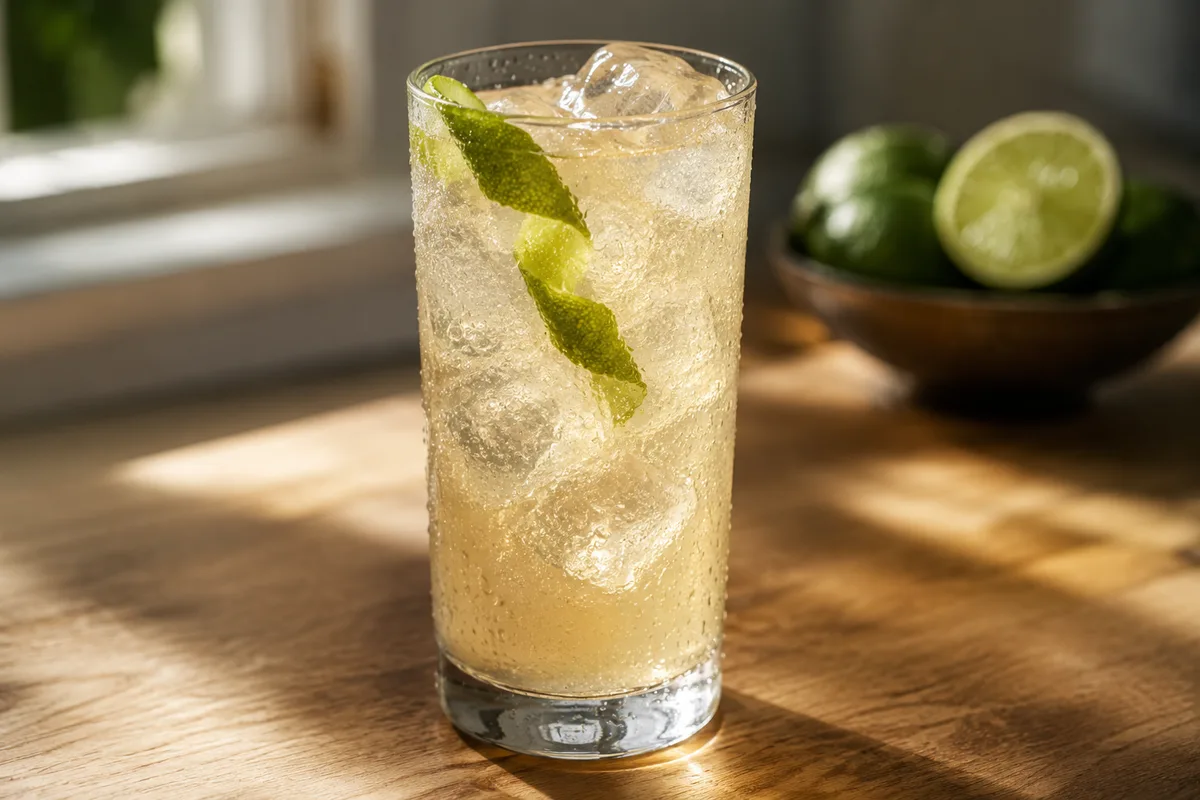
Ask a Peruvian which pisco drink they'd actually order on a normal night out, and the answer is more often chilcano than pisco sour — tall, simple, built directly in the glass with ice rather than shaken and fussed over. Pisco, fresh lime, ginger ale, done. It arrives bien helado — properly cold, ice in the glass, not chilled and hopeful — and it never arrives alone: there is always a piqueo on the table, the plate of small salty things Peruvians consider inseparable from a drink. It's the easygoing cousin to the country's famous export cocktail, and inside Peru it's arguably the more everyday drink of the two.
(This one's for readers of legal drinking age. Refresco de maracuyá or chicha morada are the versions everyone else at the table reaches for.)
Chilcano is what appears when somebody's uncle decides the afternoon needs improving. Pisco, a bag of limes, a big cold bottle of ginger ale, and a jarana that was supposed to end at seven. Nobody in my family has ever made a pisco sour at home — that one belongs to a bar, with somebody else doing the shaking and the worrying.
Built in the glass, not shaken
Where pisco sour needs a shaker, egg white and real technique to get its foam right, chilcano is built directly in the serving glass over ice — pour, top, stir gently, done. That simplicity is part of the appeal; it's a drink anyone can put together correctly on the first try, without any specialized bar equipment.
Chilcano isn't the simplified version of a Peruvian cocktail. It's the one built to be simple from the start.
Stir gently, or lose the point of the ginger ale
The ginger ale's carbonation is doing real work here, keeping the drink light and fizzy rather than flat — stirring too vigorously knocks that fizz out fast. A few gentle turns with a bar spoon, just enough to combine the pisco and lime into the ginger ale without beating the bubbles out, is all it needs.
Which pisco, and why it matters here
Peruvian pisco comes in three official categories, and for a chilcano the choice is not decoration. Puro is made from a single grape variety; acholado is a blend; mosto verde is distilled from partially fermented must and is the most expensive of the three.
- Puro de quebranta — the standard choice, and the one most Peruvians pour. Quebranta is the workhorse grape: earthy, restrained, not very aromatic. That restraint is exactly what you want under ginger ale, which would bully a delicate pisco.
- Acholado — a blend, usually a little rounder and fruitier. Works well and is what many bars use.
- Mosto verde — save it. Its whole point is what you taste when you drink it neat, and ginger ale erases most of that. Drinking it in a chilcano isn't wrong, it's just expensive.
One thing that is not negotiable: it has to be Peruvian pisco, which is a grape distillate aged in vessels that add nothing — no wood, no water, nothing after the still. Substituting another grape brandy makes a perfectly nice drink that isn't a chilcano.
The name's origin is disputed, and we'd rather say so than pick a side. The most repeated version ties it to chilcano de pescado, the restorative fish broth drunk the morning after — the idea being that both are what you reach for when you need reviving. Others trace it to the town of Chilca, south of Lima. Peruvians tell both.
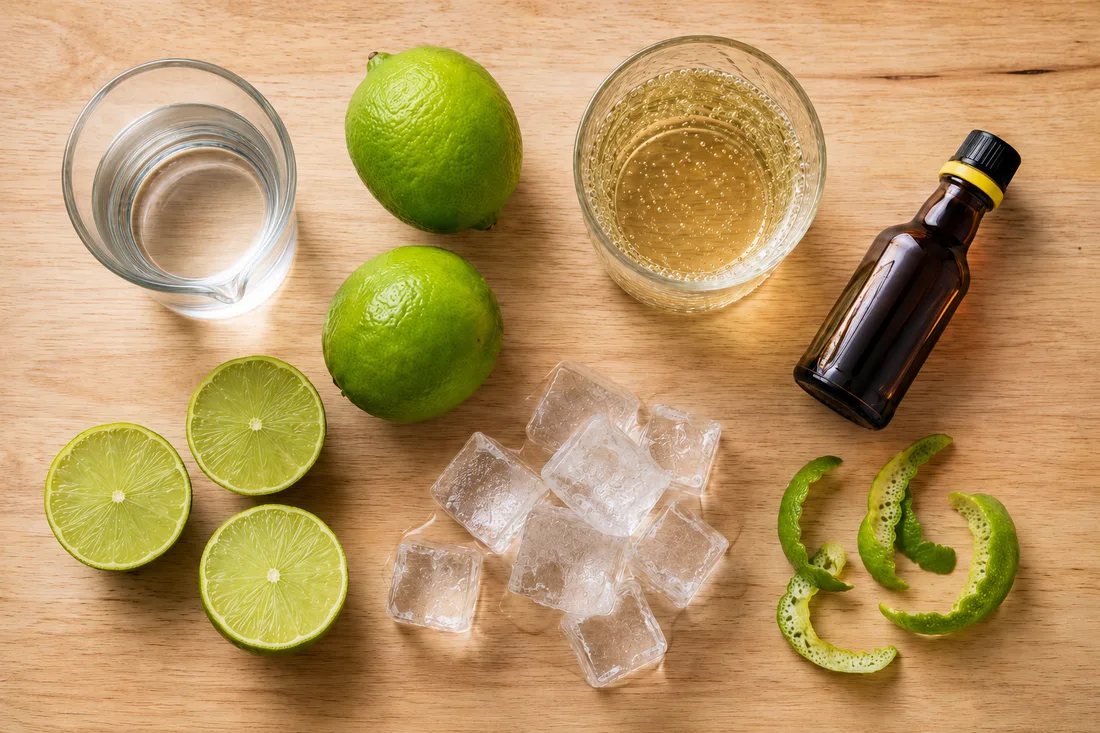
The recipe
Ingredients
- 2 oz pisco
- Juice of 1/2 lime
- Ginger ale, to top
- 2 dashes Angostura bitters (optional)
- Ice
- A strip of lime peel, to garnish
Method
- Fill the glass with ice. Add the pisco and lime juice.
- Top with ginger ale and stir gently, just enough to combine.
- Garnish with bitters if using and a strip of lime peel. Serve immediately.
Troubleshooting, from experience
Drink tastes flat. Stirred too hard, or made too far ahead of time. Build it right before serving and stir gently.
Too sweet. Some ginger ales run sweeter than others. A drier ginger beer, used in smaller proportion, is a good adjustment if that's a recurring issue.
Pisco flavor gets lost. Too much ginger ale relative to pisco. Keep the ratio close to what's listed rather than filling the glass to the top with mixer.
What to serve it with
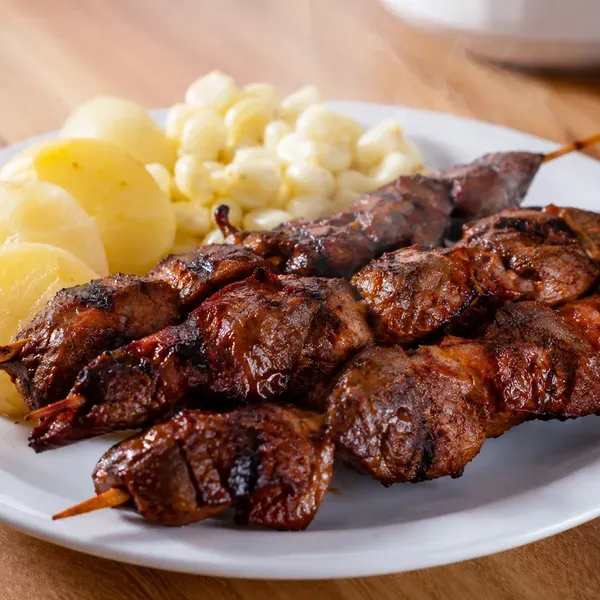
Chilcano pairs naturally with anticuchos or a plate of causa — the kind of shared appetizers that show up at the same gatherings where this drink does.
Questions people ask
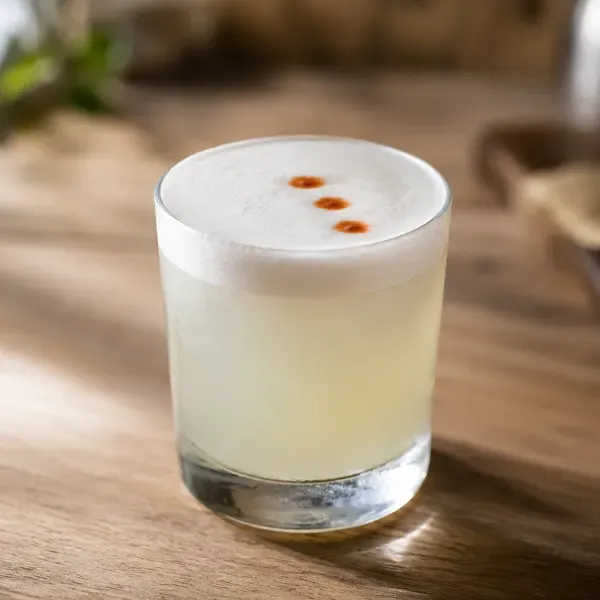
What is the difference between a chilcano and a pisco sour? Method more than ingredients. A pisco sour is shaken with lime, syrup and egg white until it foams, and it needs technique. A chilcano is built directly in the glass over ice with ginger ale, and anyone gets it right the first time. Inside Peru the chilcano is by far the more everyday drink.
Which pisco should I use? Puro de quebranta is the standard and what most Peruvians pour — earthy and restrained, so the ginger and lime stay in front. Acholado, a blend, works well too. Save the aromatic ones and mosto verde for drinking on their own, where you can actually taste what you paid for.
Can I use ginger beer instead of ginger ale? It makes a different and much more assertive drink. Ginger ale is meant to sit under the pisco; ginger beer sits on top of it. If it is what you have, use a little less and add a touch more pisco to keep the balance.
Why not shake it? Because the carbonation is doing the work. Vigorous stirring or shaking knocks the fizz out and leaves the drink flat, which is the one way to get a chilcano wrong. A few gentle turns with a spoon is all it needs. This drink is for readers of legal drinking age.

Junior Quintana learned to cook from his mother, Lina, in Junín, in the central Peruvian Andes — a kitchen where chicha morada simmered every Sunday and there were always native potatoes with cheese and choclo on the table. He started Andean Kitchen to share the food he grew up with, in English and without shortcuts: every recipe cooked and tested at home, where it's really made. His favorite dish is, and probably always will be, pachamanca. See how we cook, test and photograph.
Did you cook this?
Tell me how it went — including what did not work. I read every one, and with your permission I will put it on this page, with your first name, for whoever comes next.