
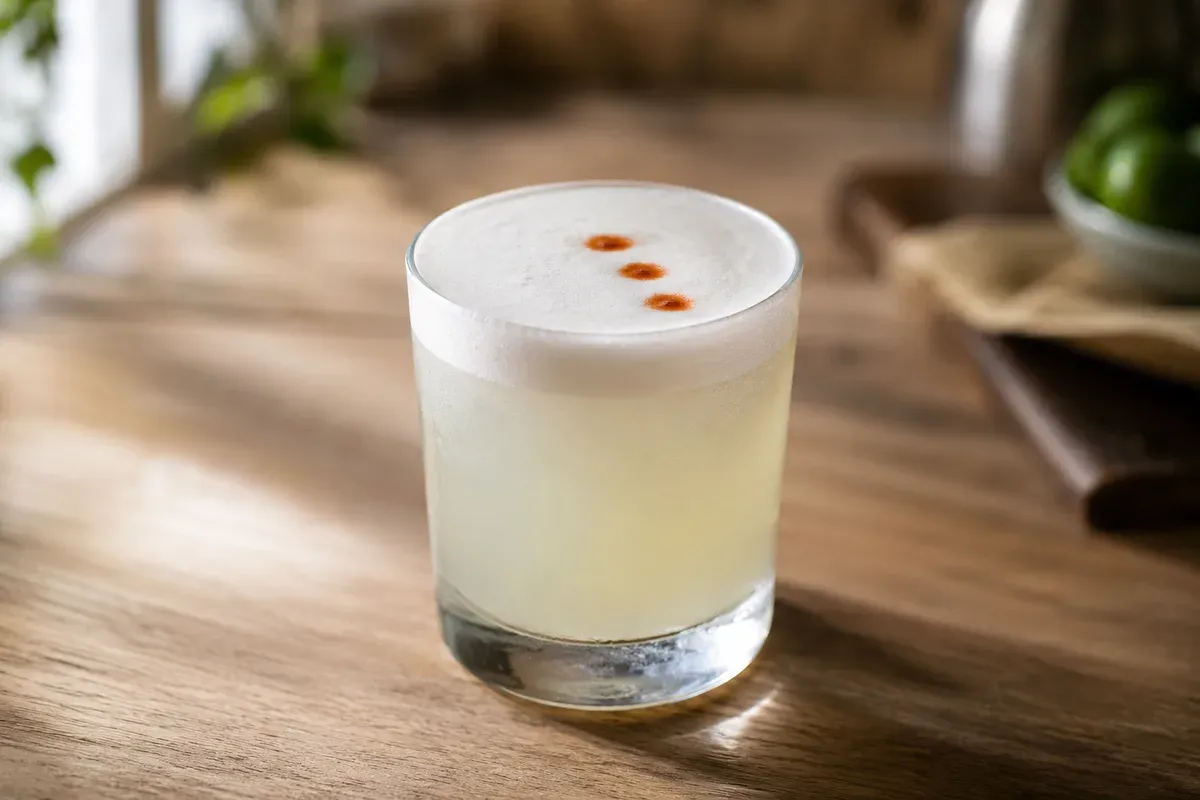
Peru takes its national cocktail seriously enough to give it a holiday — the first Saturday of February is the Día del Pisco Sour — and to argue about it internationally, which we'll get to with good humor in a moment. The drink itself is a small masterpiece of balance: pisco's grape perfume, fresh lime's bite, syrup's rounding sweetness, and an egg-white foam that turns the whole thing silken, finished with three aromatic drops of bitters. The standard origin story credits Victor Morris, an American bartender whose Morris' Bar in 1920s Lima adapted the whiskey sour to the local spirit; Peruvian bartenders then refined it into the precise, foam-capped form the country defends today.
It's also a cocktail people ruin confidently, because the recipe looks like a list when it's actually a technique. The ratio matters, the shake matters twice, and the pisco matters most of all. Three sections, then the recipe.
(This one's for readers of legal drinking age, evidently — and the egg white is raw, so use fresh, clean eggs or pasteurized whites if raw egg is a concern for you. Chicha morada remains the house drink for everyone else at the table.)
Quebranta is the pisco I reach for by default — clean, not too perfumed, the kind that lets the lime and egg white do the work instead of fighting them. At real celebrations back home the first glass always goes up in a toast before anyone touches their plate, and the tray never makes it back to the kitchen still full.
What pisco actually is
Pisco is a grape brandy — wine distilled to strength — but with rules that make it unlike any other: in Peru it must be distilled to proof (no dilution with water afterward), rest in vessels that add no flavor (no oak, ever), and come from eight designated grape varieties grown in specific coastal valleys. The result is clear as vodka and perfumed like the inside of a grape. For sours, the classic choices are quebranta (the robust, earthy workhorse) or an acholado (a blend, usually rounder); the aromatic varieties like Italia make a more floral sour that some adore and purists side-eye. Any Peruvian pisco at a decent price point will make you a real pisco sour; what can't be substituted is pisco itself — this is not the cocktail for "grappa was on sale."
The Chile question, answered like adults
Yes, Chile also makes a spirit called pisco, also claims the pisco sour, and the two countries have turned the dispute into a beloved regional sport. The facts, stated plainly: both countries have produced grape brandy since colonial times; the name traces to the port and valley of Pisco on Peru's coast; the products today are genuinely different (Chilean pisco may be diluted to proof and oak-aged, Peruvian may not); and each country's cocktail evolved separately — the Chilean version typically skips the egg white and bitters entirely. We're a Peruvian site writing from Peru, so our glass and our loyalty are not in suspense. But the honest take is that this rivalry has been excellent for everyone: two countries competing to make their grape spirit a point of national pride means more good bottles for the world. Try both; we know which one you'll finish first.
The dry shake is the whole secret: foam is built without ice, then chilled with it. One shake gives you a drink. Two shakes give you a pisco sour.
The 3-1-1 and the double shake
The canonical home ratio is 3 parts pisco, 1 part lime, 1 part syrup, plus one egg white — boozier than most sours, which is intentional and Peruvian. The technique that separates bar-quality foam from sad bubbles is the dry shake: everything shaken first without ice, hard, so the egg white emulsifies into a stable foam; then ice goes in for a second hard shake that chills and dilutes. Skip the dry shake and the foam collapses before the glass reaches the table. The three drops of Angostura at the end aren't decoration either — dragged gently with a toothpick, they perfume every sip through the foam.
The recipe
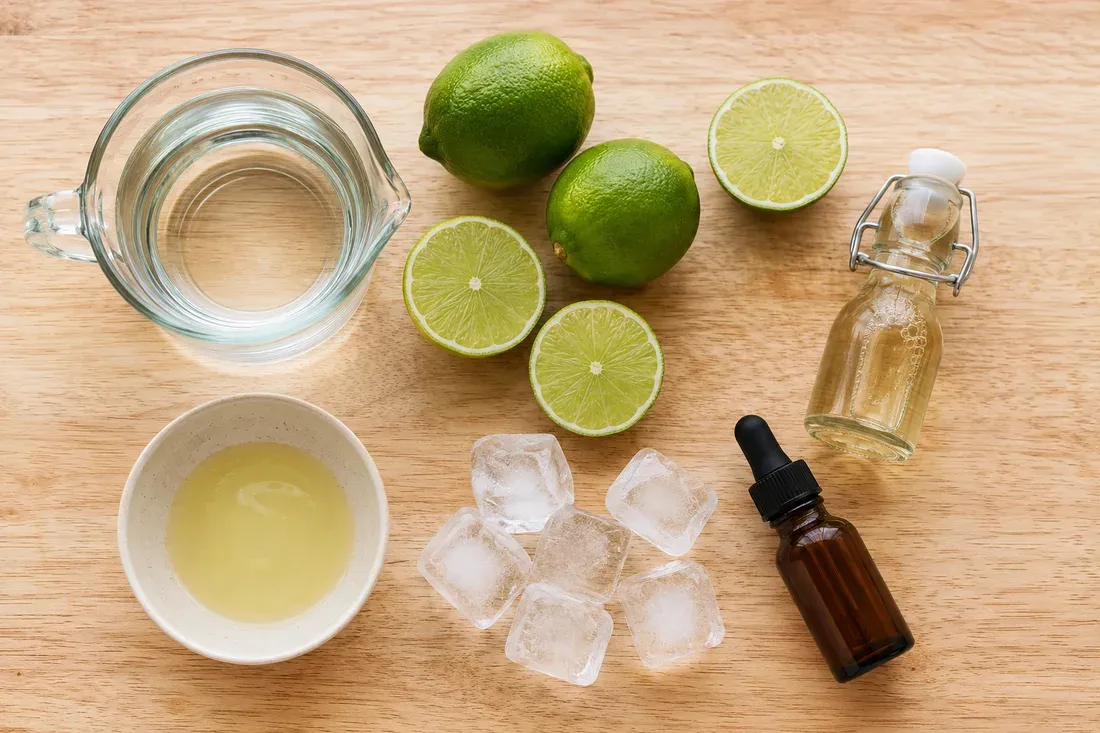
Ingredients
- 90 ml (3 oz) pisco — quebranta or acholado
- 30 ml (1 oz) fresh lime juice, squeezed within the hour
- 30 ml (1 oz) simple syrup (equal parts sugar and hot water, cooled)
- 1 fresh egg white (~30 ml) — pasteurized carton whites work fine
- Ice · 3 drops Angostura bitters
- Glass: a chilled rocks glass or small coupe
Method
- Dry shake. Pisco, lime, syrup and egg white into the shaker — no ice. Seal and shake violently for 15 seconds; you should hear the texture change as the foam builds.
- Wet shake. Open, add a generous scoop of ice, seal, and shake hard 15 seconds more.
- Double-strain through the shaker's strainer and a fine sieve into the chilled glass. The foam should settle into a thick, even white cap.
- Bitters. Three drops on the foam, drawn slightly with a toothpick if you're feeling artistic. Serve at once; toast in Spanish for full effect.
For a pitcher (6 drinks): blender method, the Peruvian party standard — 540 ml pisco, 180 ml lime, 180 ml syrup, 3 egg whites, 2 cups ice; blend 30 seconds and pour. Less ceremonial, equally gone by midnight.
Troubleshooting, from experience
No foam. The dry shake was skipped or polite, or the egg white was old. Shake like the cocktail owes you money.
Too sour / too sweet. Lime acidity varies wildly. Adjust the syrup by quarter-ounces, not the lime — the lime's volume is structural.
It tastes like rubbing alcohol. Rough pisco has nowhere to hide here. Spend one shelf higher; the sour repays it instantly.
What to serve it with
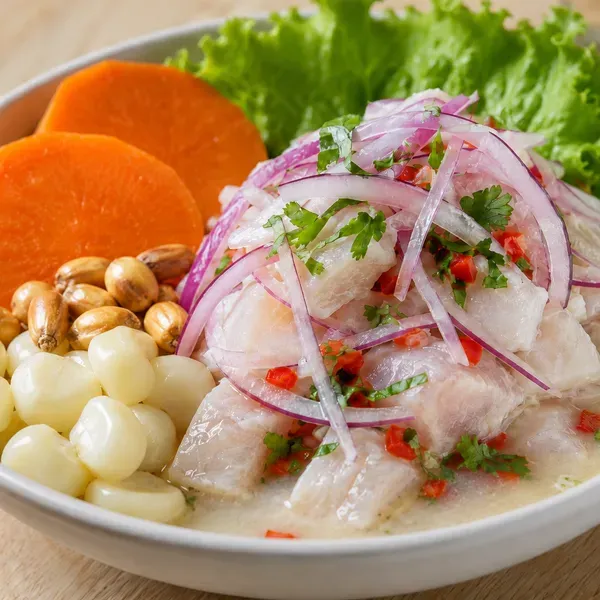
The pisco sour is Peru's aperitif: it opens the meal that ceviche or tiradito begins and suspiro a la limeña closes. At a parrillada it stands next to anticuchos without flinching. One per guest before lunch is custom; two is a celebration; three is a story someone tells later.

Junior Quintana learned to cook from his mother, Lina, in Junín, in the central Peruvian Andes — a kitchen where chicha morada simmered every Sunday and there were always native potatoes with cheese and choclo on the table. He started Andean Kitchen to share the food he grew up with, in English and without shortcuts: every recipe cooked and tested at home, where it's really made. His favorite dish is, and probably always will be, pachamanca. See how we cook, test and photograph.
Did you cook this?
Tell me how it went — including what did not work. I read every one, and with your permission I will put it on this page, with your first name, for whoever comes next.