
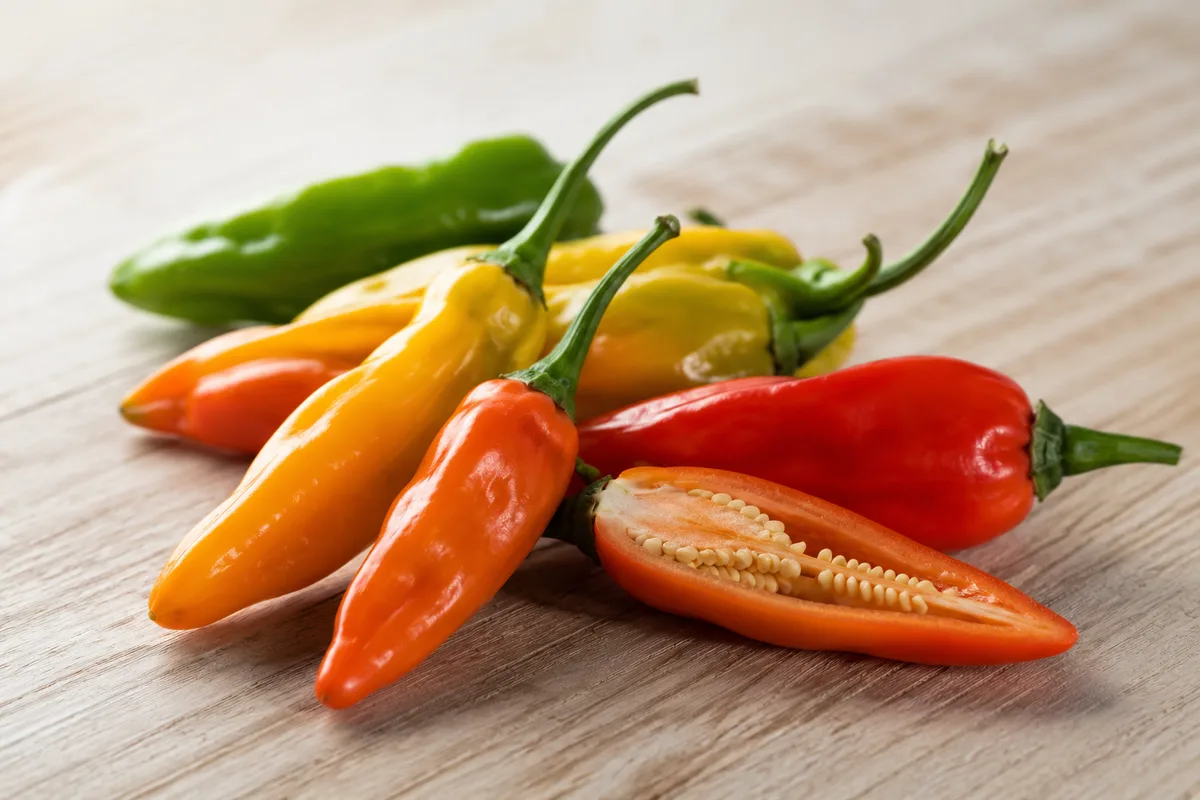
Ají limo is the small, intensely hot fresh chile sliced thin over ceviche, chinguirito and choros a la chalaca — where ají amarillo and ají panca are almost always cooked down into pastes and sauces, ají limo is used raw and fresh, its fruity, citrusy heat meant to hit sharply against cold, acidic seafood rather than mellow into a simmered dish.
It grows in a range of colors — yellow, orange, red, even purple — and its heat runs genuinely high, comfortably into habanero territory, which is part of why it's used sparingly, sliced thin rather than blended into a base ingredient.
Every chile in the Andes answers to one old word: uchu, Quechua for chile, the root still sitting inside names like uchucuta. Ají limo is the one we treat with the most respect in our kitchen — not because it's the hottest thing in Peru, but because it's the one you meet raw, with nothing cooked down to soften it.
What is ají limo, and how hot is it?
Ají limo is small, thin-walled, and packs real heat — typically in the 30,000 to 50,000 Scoville range, though some pods run hotter — with a bright, citrusy flavor that lives up to its "limo" name, evoking lime without any actual citrus involved. Its thin walls mean it doesn't hold up well to long cooking, which is exactly why it's reserved for raw or barely-cooked applications.
Ají limo isn't meant to simmer into a sauce. Its whole character depends on staying fresh and raw.
How Peruvian kitchens use ají limo
- Sliced thin over ceviche. The classic use — a few thin rings scattered over the finished dish for heat and color.
- Minced into fresh salsas. As in choros a la chalaca, finely minced and tossed through raw vegetable salsas.
- Used whole for a milder infusion. A whole pod, pierced but left intact, can flavor a ceviche's leche de tigre without fully releasing its seeds' full heat.
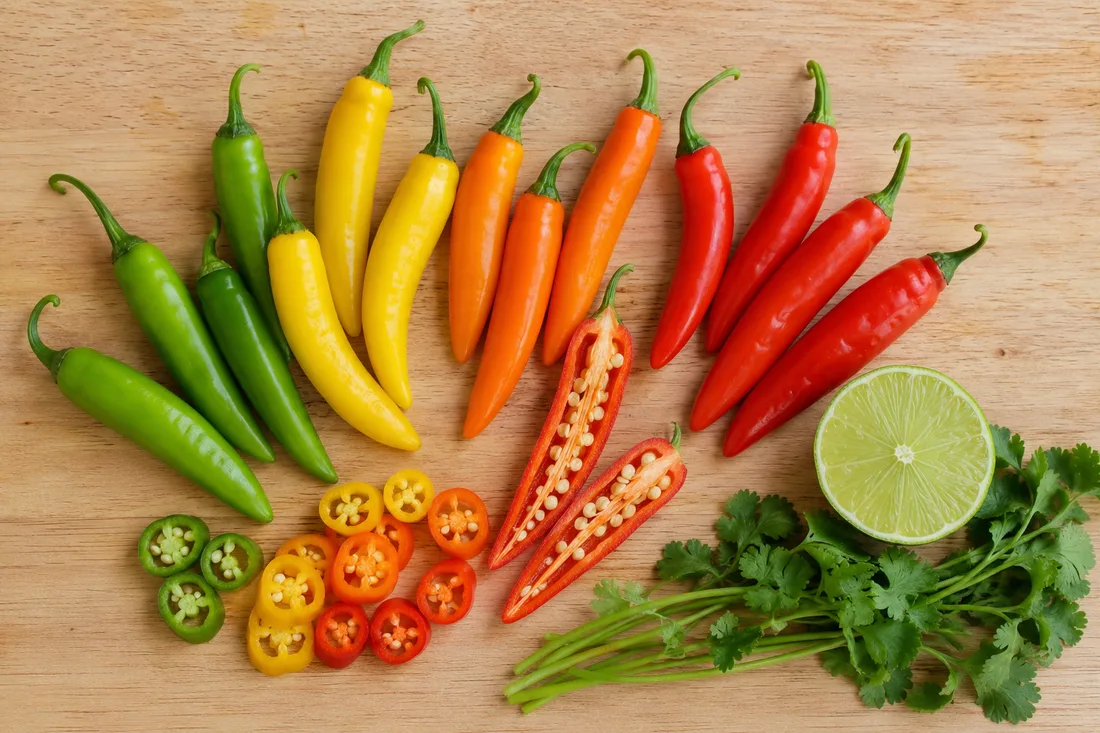
Where to buy ají limo outside Peru, ranked
- Frozen whole pods. The best option abroad, and the only one that keeps what matters. Latin American groceries and Peruvian online importers stock them; thaw, pat dry, slice. The flesh softens a little, but the heat and that citrus note survive intact.
- Fresh, if you get lucky. Rare outside Peru and Ecuador. If you find some, check what you are actually holding — the name gets used loosely at market stalls, and ají limón is a different chile altogether, yellow and milder, with a lemon flavor rather than this one's sharper bite.
- Grow it yourself. Ají limo is Capsicum chinense, the same species as habanero and scotch bonnet, so if habaneros do well where you live, this will too. Seeds are easy to find online, and one healthy plant gives a household more pods than it can get through.
- Jarred paste. It exists, and we would still rather you sliced a fresh habanero. The whole argument for ají limo is that it never got cooked; a paste has already lost that argument.
One practical note, from a kitchen that has learned the hard way: wear gloves when you slice a lot of it, or at least keep your hands away from your eyes for the next while. This is habanero-grade heat, and the oils stay on your fingers long after the chile is gone.
Ají limo substitutes, honestly ranked
- Habanero, thinly sliced. The closest match in heat and a similar fruity quality, though slightly more floral than ají limo's brighter citrus note.
- Scotch bonnet, thinly sliced. A close second, functionally similar to habanero for this purpose.
- Serrano or Fresno, more of it. Milder, but a workable stand-in for color and a moderate kick when real heat isn't strictly necessary.
Recipes that depend on ají limo
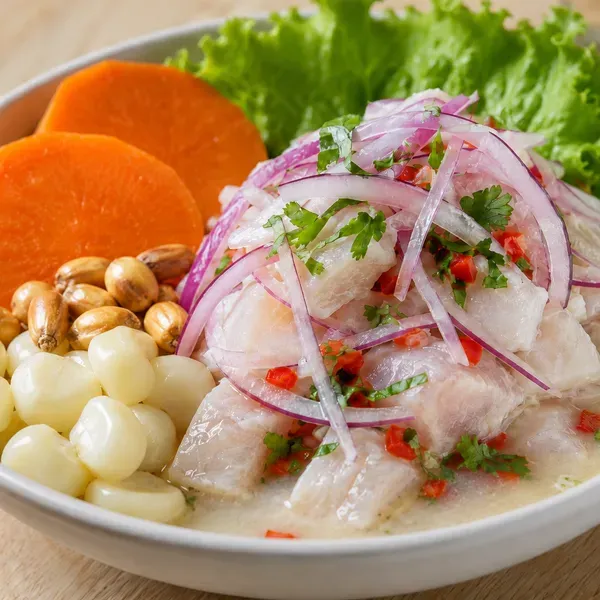
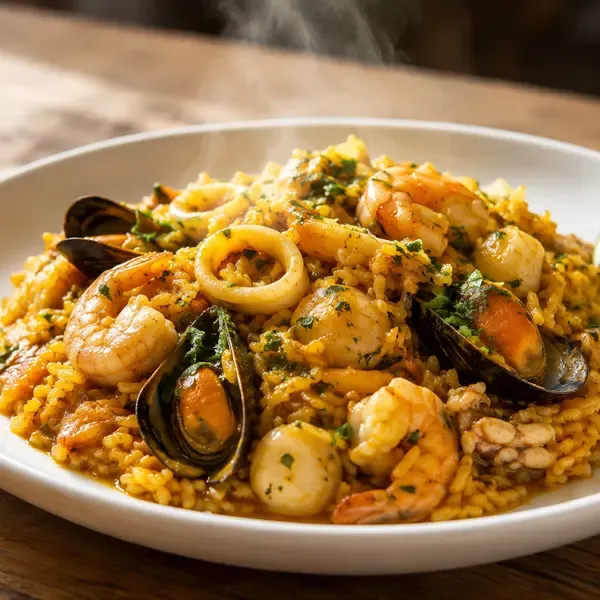
This is a chile you meet cold. It goes over ceviche in thin rings, into the leche de tigre that dresses it, and across tiradito, where the slices sit right on the fish and there is nothing to hide behind. In arroz con mariscos it comes in at the end, off the heat, for the same reason it always does.
The rule in our kitchen is simple: it gets sliced at the last second and goes straight onto the plate. When it lands right, we say it pica rico — it burns nicely, which in Peru is praise and not a complaint. Cut it early and it sits there weeping in its own juice, and by the time it reaches the table the sharpness that made it worth using has gone flat.
Questions people ask
How hot is ají limo really? Genuinely hot — typically 30,000 to 50,000 Scoville, which puts it in habanero territory, and some pods run higher. It is used sliced thin rather than blended precisely because a little goes a long way. Wear gloves if you are slicing a lot of it, and keep your hands away from your eyes afterward either way.
What can I use instead? A fresh habanero or scotch bonnet is the closest, since they are the same species and carry a similar fruity heat. Use less than you think. What does not substitute is anything dried or jarred — the whole argument for ají limo is that it never got cooked.
Is ají limo the same as ají limón? No, and the names get used loosely at market stalls. Ají limón is yellow and milder with a lemon flavor. Ají limo is sharper, hotter, and comes in a range of colors from yellow to purple. If you are buying at a stall, check what you are actually holding.
Can I cook with it? You can, but it stops being what it is. Thin walls mean it does not hold up to a long simmer, and its whole character is the raw, citrusy bite against something cold and acidic. For cooked dishes, ají amarillo or ají panca are the ones Peruvian kitchens reach for.

Junior Quintana learned to cook from his mother, Lina, in Junín, in the central Peruvian Andes — a kitchen where chicha morada simmered every Sunday and there were always native potatoes with cheese and choclo on the table. He started Andean Kitchen to share the food he grew up with, in English and without shortcuts: every recipe cooked and tested at home, where it's really made. His favorite dish is, and probably always will be, pachamanca. See how we cook, test and photograph.
Did you cook this?
Tell me how it went — including what did not work. I read every one, and with your permission I will put it on this page, with your first name, for whoever comes next.