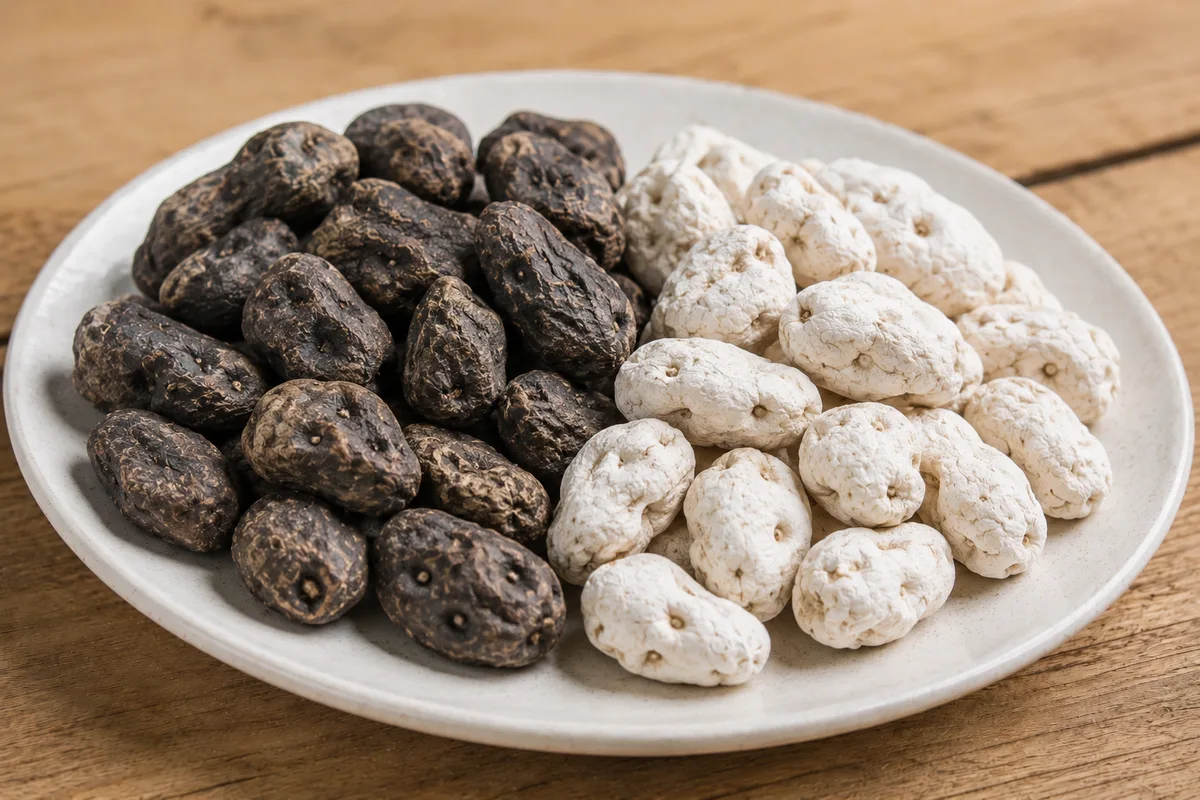
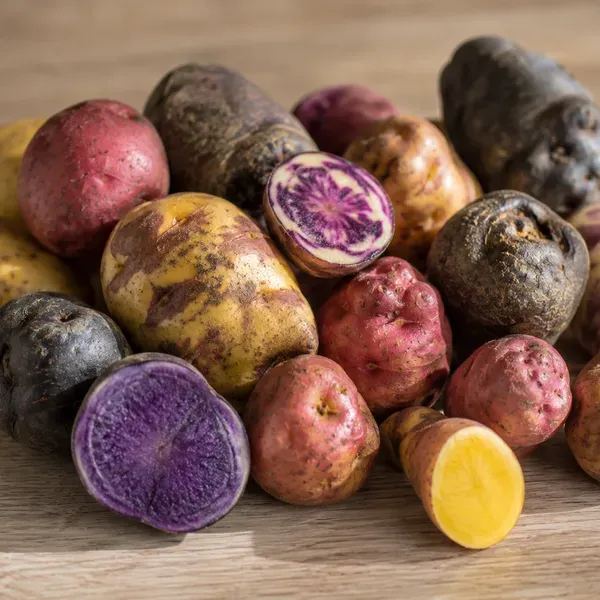
Chuño is one of the oldest food preservation technologies in the Andes — potatoes freeze-dried through a repeated cycle of frost at night and sun exposure during the day, done at altitudes above roughly 4,000 meters where nighttime temperatures reliably drop well below freezing. Small, bitter native potatoes — the ones nobody would eat fresh — are traditionally used, and the multi-day process shrinks them into hard, dark, wrinkled little nuggets that will keep for years, not weeks.
I know exactly what people mean when they say they cannot get past the texture, because chuño is not trying to be a potato and it does not apologize for it. It is spongy and it holds whatever it is cooked in and it smells like nothing you have eaten before. I grew up with it, so I never had to decide about it — and I have watched enough visitors decide, usually in the middle of a bowl of chairo on a cold day, when the arguing quietly stops.
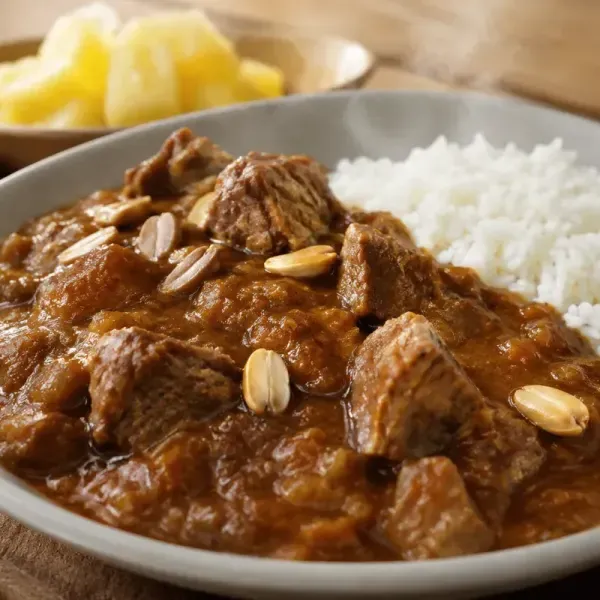
It's the ingredient that makes chairo and carapulcra taste the way they do — a distinct, slightly tangy depth that fresh potato simply can't replicate, because chuño isn't fresh potato with the water removed so much as a genuinely transformed ingredient.
How chuño is traditionally made
Potatoes are laid out on the ground overnight, where sub-freezing temperatures freeze the water inside them; the next day, direct sun and the dry mountain air pulls that moisture out as the ice sublimates. This cycle repeats over several days to a week, and in some traditional methods, the potatoes are also trampled underfoot partway through to squeeze out remaining liquid. The result keeps almost indefinitely once fully dried.
Chuño isn't dried in an oven or a dehydrator. It's dried by an entire mountain range's climate, over the course of a week.
How to rehydrate and cook chuño
- Soak before cooking. Chuño needs a proper soak, ideally overnight, in cold water before it's usable — it arrives rock-hard and needs real rehydration.
- Peel after soaking. Once softened, the outer skin peels away easily by hand.
- Simmer into soups and stews. Rehydrated chuño goes directly into the pot for dishes like chairo, adding its distinct tang as it finishes cooking.
Where to buy chuño outside Peru, and substitutes
Chuño is sold dried at Andean markets and some specialty Latin American grocery stores outside Peru, usually labeled simply chuño, or papa seca for a related but less intensely dried version. There's genuinely no good substitute — fresh potato lacks the tangy depth chuño develops during drying — so for dishes where chuño is central, like chairo, it's worth seeking out the real ingredient rather than swapping in fresh potato and expecting the same result.
Black chuño and white chuño are not the same thing
Two products come out of the same freezing-and-drying cycle, and Peruvian markets sell them side by side:
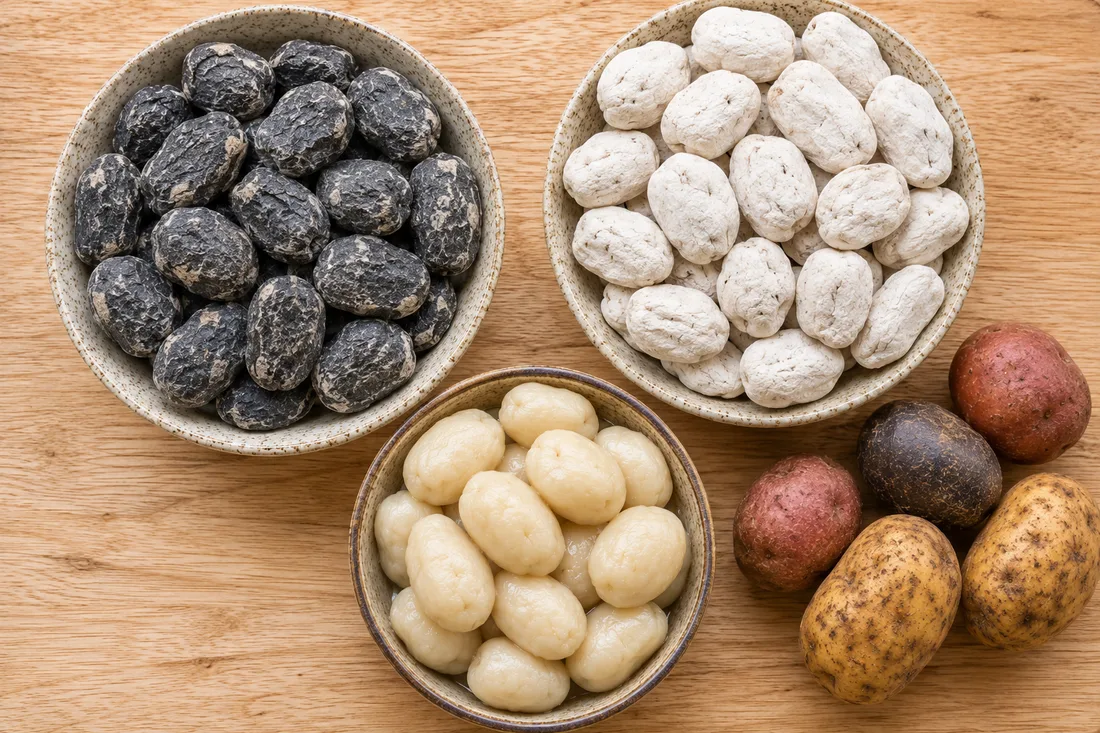
- Chuño negro. The dark, wrinkled, almost black one. Frozen, trampled and sun-dried without ever being washed, which is where the color and the strong, tangy flavor come from. This is what goes into chairo.
- Tunta, also called moraya or chuño blanco. The same potatoes, but soaked in running water for weeks partway through the process before drying, which strips out the bitterness and leaves them chalky white and much milder.
They are not interchangeable in a recipe that has an opinion. If a dish is asking for that distinctive Andean tang, it wants the black one; tunta will give you texture and almost none of the flavor.
Recipes that depend on chuño
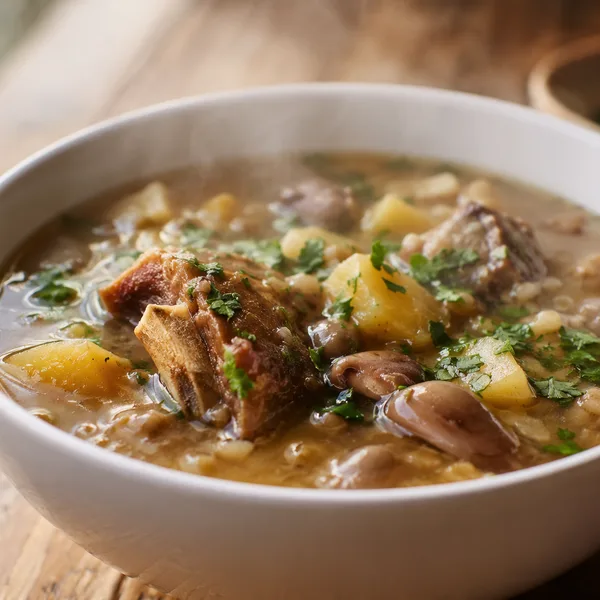
- Chairo. The altiplano soup that is built on it. Without chuño it is a lamb and vegetable soup, and a fairly ordinary one.
- Olluquito con charqui and other dried-ingredient stews. The whole logic of these dishes is preserved food rehydrated in the pot, and chuño belongs to that family.
- Anything served alongside pork or lamb in the southern sierra. Boiled and peeled, it is a side dish in its own right — the Andean answer to a boiled potato, with more character.
What chuño actually tastes like
Most writing about chuño talks about how it is made and then stops, which leaves anyone about to buy some with no idea what they are in for. So, plainly.
- The texture is the surprise, not the flavor. Rehydrated, it is spongy and slightly springy — closer to a firm dumpling than to a boiled potato. It does not go soft and it does not fall apart.
- It tastes mostly of what it is cooked in. On its own it is earthy and faintly smoky, with a mineral edge. In a soup it is mainly carrying the broth, which is exactly its job.
- Black chuño is stronger than white. If you are meeting it for the first time, chuño blanco (moraya or tunta) is the gentler introduction.
It is a genuinely old food — a way of keeping a harvest for years at an altitude where nothing else lasts — and it was never designed to be pleasant on first contact. It was designed to still be there in August.
Questions people ask
Do I have to soak it before cooking? Yes, and it is not optional. Black chuño needs a full night in cold water, with the water changed once or twice; white chuño needs a few hours. Skip it and you get something hard in the middle that no amount of simmering will rescue.
What is the difference between chuño and papa seca? Both are dried potato and they are made differently and behave differently. Papa seca is boiled, dried and broken up, and it is toasted before it goes into carapulcra. Chuño is frozen and thawed over several nights, then dried, and it is rehydrated whole. They do not substitute for each other.
Where does the word come from? From Quechua ch'uñu. The Spanish spelling chuño is what you will see on a bag, and both refer to the same thing: potato preserved by alternating altiplano night frost with daytime sun.
Can I substitute anything for it? Not really, and it is more honest to say so. Nothing else has that texture. If a recipe needs body and you cannot find chuño, use a waxy potato and accept that you are making a different soup — or order chuño online, which is easier than it used to be and keeps essentially forever.

Junior Quintana learned to cook from his mother, Lina, in Junín, in the central Peruvian Andes — a kitchen where chicha morada simmered every Sunday and there were always native potatoes with cheese and choclo on the table. He started Andean Kitchen to share the food he grew up with, in English and without shortcuts: every recipe cooked and tested at home, where it's really made. His favorite dish is, and probably always will be, pachamanca. See how we cook, test and photograph.
Did you cook this?
Tell me how it went — including what did not work. I read every one, and with your permission I will put it on this page, with your first name, for whoever comes next.